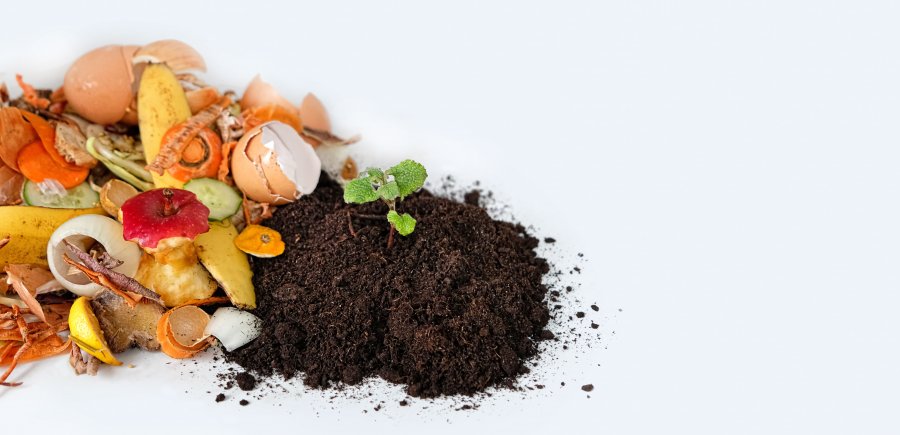
Eco-activists urged Ukrainians to compost organic waste even in apartments, because such processing has at least 7 advantages for nature conservation.
To do this, you can buy a mechanical apartment composter or make an analogue yourself, reports the public organization Let's do it, Ukraine on Facebook.
Ecoactivists said that for a hand made composter you will need:
- a small plastic bucket with a lid that closes tightly;
- Earth;
- spray bottle with clean water;
- a concentrate with EM (effective microorganisms), which accelerates the decomposition of organic matter and neutralizes unpleasant odors and prevents rotting
"It is worth adding one tablespoon of EM to one liter of water. This will be your solution with which you will need to spray organic waste," they explained.
The authors noted that a layer of organic matter should be placed in the composter, sprayed with a solution and sprinkled with earth until the bucket is full. The lid should not be tightly closed during composting, because the compost can "suffocate".
In addition, Ukrainians are suggested to use 2 buckets instead of one. You can make holes in the smaller one so that the compass liquid flows into the larger one. It can be used to feed indoor plants.
TOP-7 advantages of composting:
- adding compost to the soil improves its quality, which can help reduce erosion;
- composting of organic waste leads to a reduction in landfill areas;
- earthworms and microorganisms live in the compost, which additionally improve the quality of the soil, and as a result, the yield;
- adding compost changes soil acidity;
- compost is an excellent organic fertilizer;
- as a result of rotting organic matter in landfills, toxic and greenhouse gases are released, which can be avoided thanks to composting;
- using compost as a pesticide reduces the negative impact of chemicals on soils and prevents them from entering water.
As EcoPolitic reported earlier, in order for food and other organic waste to get a second life in the form of useful compost, it is necessary to follow sorting rules.