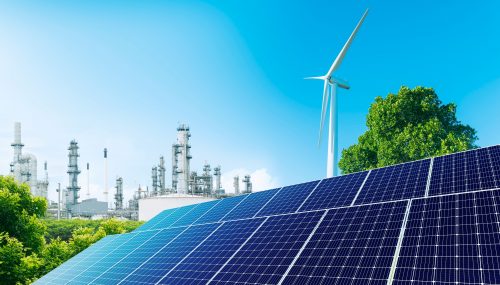
Construction of a large-scale energy facility has been completed in the Chinese province of Jiangsu. It combines a high-capacity solar power station, energy storage systems and the production of ‘green’ hydrogen powered by clean energy.
The publication Interesting Engineering explains how it works.
A unique location
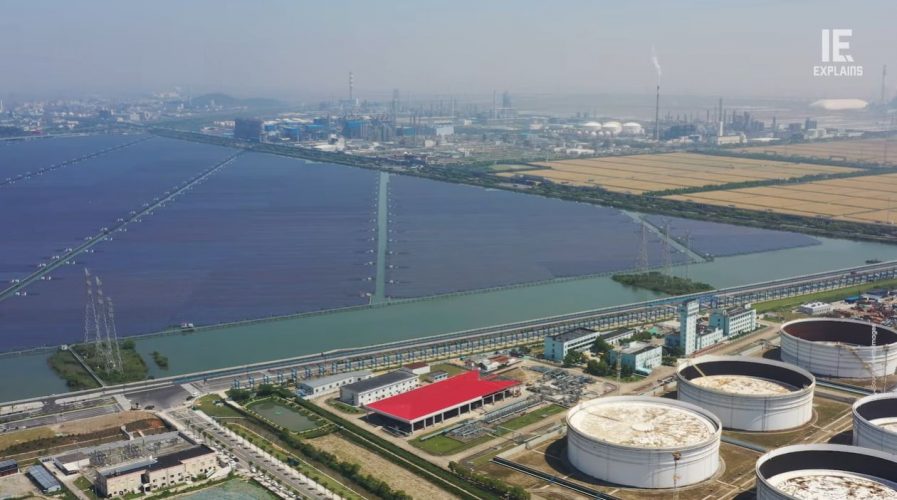
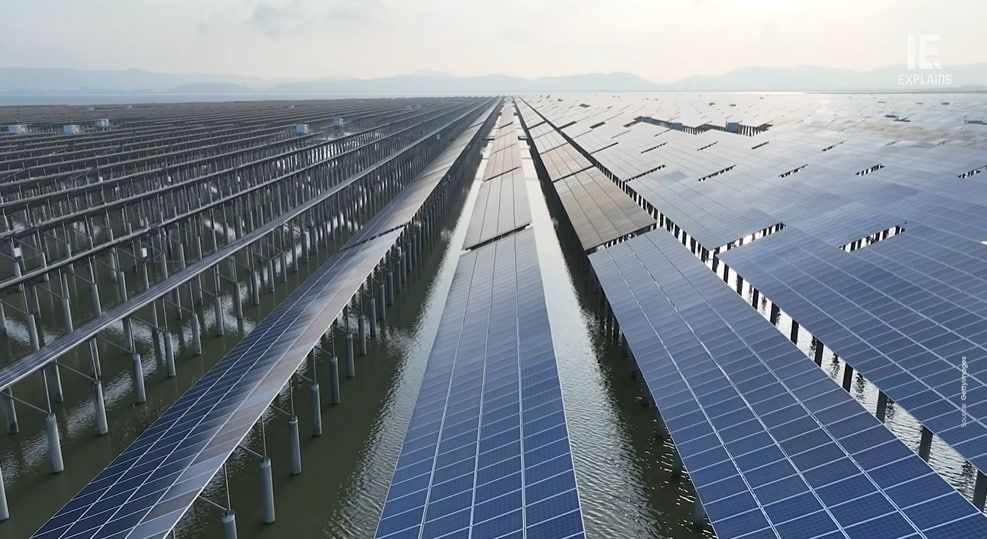
This groundbreaking energy complex was built on land where virtually no other economic activity is possible. It is situated on a muddy coastline that is exposed at every high tide. The ground is too soft for the construction of permanent structures and too wet for farming.
For a long time, the area lay unused. So Chinese engineers decided to build a facility there that would not be hindered by the dampness and instability of the soil — the Guohua Rudong solar hydrogen storage project.
A three-in-one facility
These are not separate installations, each performing its own function. They are all combined into an integrated energy complex, designed as a single mechanism.
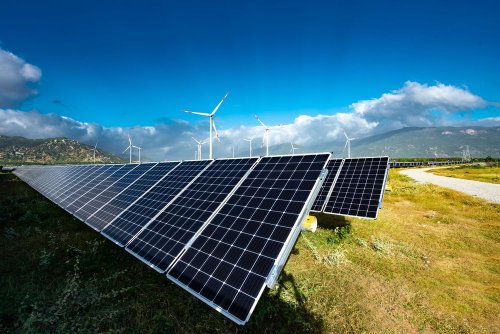
The driving force behind this system is a 400 MW solar power station installed above the coastal shoals. It is expected to generate 486 GWh of energy per year. This is enough to power 200,000 households and reduce CO₂ emissions by 300,000 tonnes annually.
Source: Interesting Engineering
The second element is an energy storage system rated at 60 MW, or 120 MWh. Its main task is to balance the power supply, storing energy at the peak of solar generation and discharging it when the sun sets.
Source: Interesting Engineering
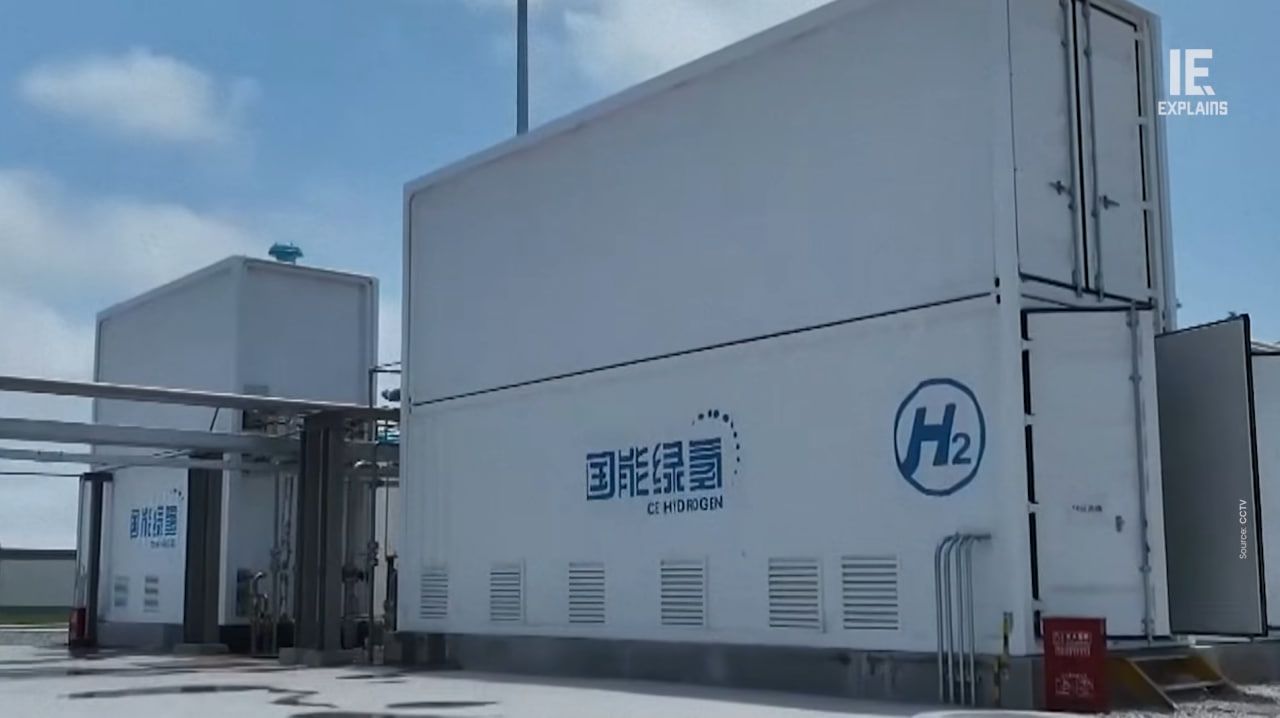
The final facility is a "green" hydrogen plant with a capacity of 1,500 m3 per hour, which translates to 482 t annually. Solar energy drives the electrolysis of water into hydrogen and oxygen, meaning the only byproduct of production is oxygen molecules.
The solar power plant and the hydrogen facility are connected by a dedicated subsea cable. Thus, the solar energy directly supplies hydrogen production without entering the general power grid.
Previously, EcoPolitic reported that China had successfully tested its first airborne wind turbine. In essence, it houses wind-generating units in a blimp-like structure, transmitting power to the ground via a special cable.
Ukrainian activists urge that "green" power plants should be built exactly on degraded and otherwise unusable lands. This is due to the fact that wind farms destroy valuable high-mountain areas in the Carpathians.