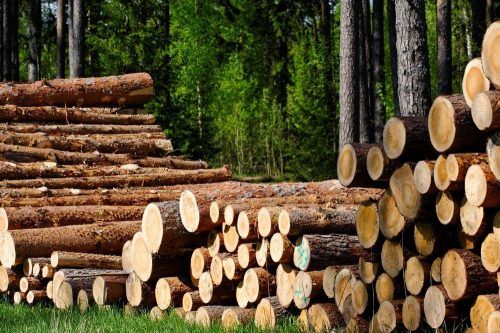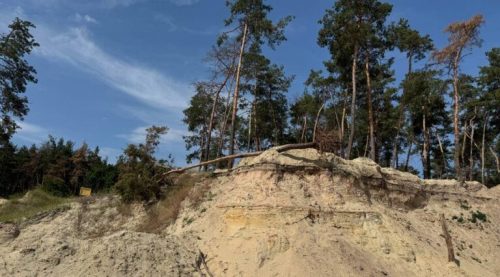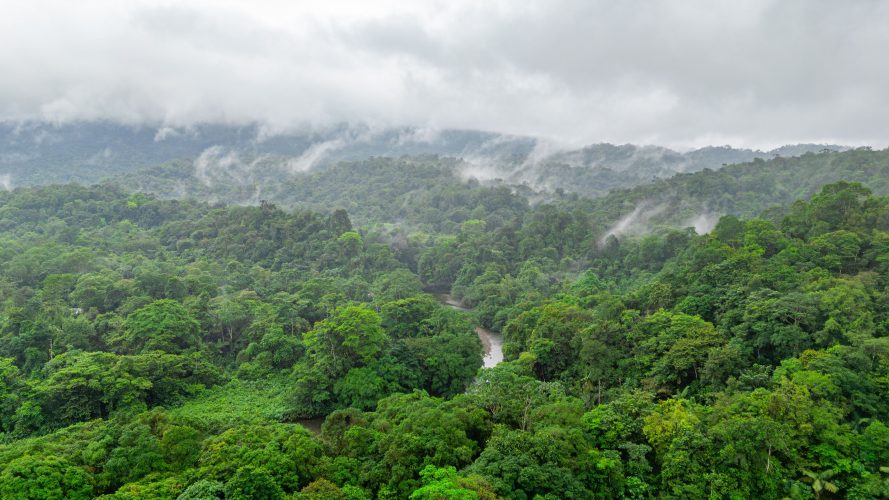
Last year, the world lost 36% less forest than in 2024. However, global deforestation targets remain just as distant. Climate change, intensive development of the agricultural sector, and even the war in Ukraine—all of these factors combined are leading to the loss of millions of hectares of valuable ecosystems that are home to more than half of all documented species of flora and fauna.
This is reported by WWF Ukraine, citing the Global Forest Pulse analysis from the World Resources Institute (WRI).
Reasons for the decline in forest area
Despite positive statistics in the numbers, the actual loss of tropical forests in 2025 amounted to a staggering 4.3 million hectares. This figure is 46% higher than the loss of forest areas a decade ago.
Analysts point to two main causes of forest loss:
- expansion of agriculture remains the main factor;
- forest fires account for 42% of forest cover loss.
Brazil became the leader in reducing forest loss, with the deforestation rate falling by 41% there. However, in other countries, including Cameroon and Bolivia, forests have declined to nearly the lowest levels in the entire history of observations.
What does the war in Ukraine have to do with it?
It might seem that Ukraine geographically and physically has no direct connection to tropical forests. However, considering the key reason for deforestation, the impact of the war on their loss becomes more obvious.
Ukraine is one of the leading agricultural players on the world market. The loss of land, harvests, and exports due to the full-scale Russian invasion pushes the search for alternatives.
“The war has caused disruptions in the operation of Ukrainian ports, which previously supplied about 50% of the world’s sunflower oil exports, 10% of wheat, and more than 15–20% of barley. Already, some producers are switching from sunflower oil to palm oil, which stimulates the expansion of their plantations and, consequently, the felling of tropical forests,” said Mykhailo Bohomaz, Head of the “Forests” Program at WWF Ukraine.
What should the world do?
The example of Brazil provides optimistic evidence that centralized policy can deliver concrete results. However, for the world to meet its deforestation targets by 2030, it must bridge a 70% reduction gap. This will require a series of systemic transformations in the following areas:
- food systems;
- global supply chains;
- natural resource management.
“Without this, neither climate stability, nor food security, nor biodiversity restoration are possible. Deforestation-free supply chains are not an option, but a necessity. Only coordinated actions in policy, markets, and finance can deliver the scale of change required,” emphasized Damian Fleming, Head of the “Forests” Program at WWF International.
EcoPolitic previously reported that during 2025, the forest fire season in Europe was the most destructive in history. The greatest damage was caused to Ukraine, which accounted for 39% of all recorded fires.