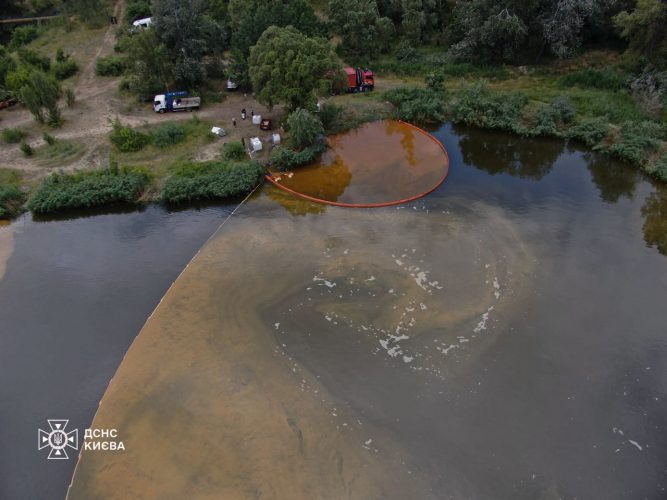
The enemy attack on Kyiv on 2 July resulted in a major environmental disaster. Fuel and lubricants entered the Opechen Lake system after a petrol station was hit. Despite emergency measures to contain the leaks, 350 tonnes of petroleum products and emulsion still spilled into Lake Kyrylivske. Specialists are pumping out the most heavily contaminated layer of water, whilst an operation to rescue waterfowl and other local wildlife is underway.
EcoPolitic has compiled the latest information on the emergency.
Clean-up operations
As of the evening of Sunday, 5 July, the area of contamination had already reached 20,600 m². According to the State Emergency Service of Ukraine, 1,700 tonnes of water have been contaminated by petroleum products. So far, only 65 m³ of the contaminant has been pumped out.
On the fourth day of the clean-up operation, emergency services deployed 720 metres of sorbent booms, as well as a further 300 metres of permanently buoyant barriers.
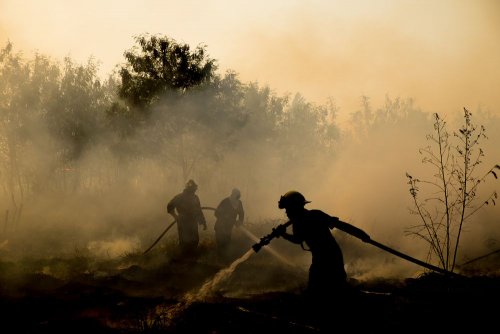
Rescuers from various regions of Ukraine are involved in the operation. A total of 55 specialists are working on the site, supported by 19 pieces of equipment, as well as boats, trailers and skimmers.
The emergency responders blocked the conduit between Lake Yordanske and Lake Kyrylivske. As reported by the Ministry of Economy, the oil slick was successfully isolated, which will prevent the contamination from spreading further to other lakes of the Opechene cascade.
Skimmers, essentially floating pumps, are currently aiding in collecting the contaminated water layer 5–7 cm thick. After cleaning, the reservoir will be treated with a special oil-absorbing sorbent designed to soak up the oil film, preventing contamination from penetrating groundwater or poisoning the lake bed.
According to Oleksiy Tkachenko, a chemical rescuer with the State Emergency Service, as cited by "Suspilne" media, it will be possible to fully clean the lake of petroleum products within one to two months. However, the duration of operations may be affected by weather conditions.
Rescue of birds
Local animals have been put at risk of death due to petroleum products. Emergency responders, together with animal protection activists, quickly launched an operation to save the local fauna.
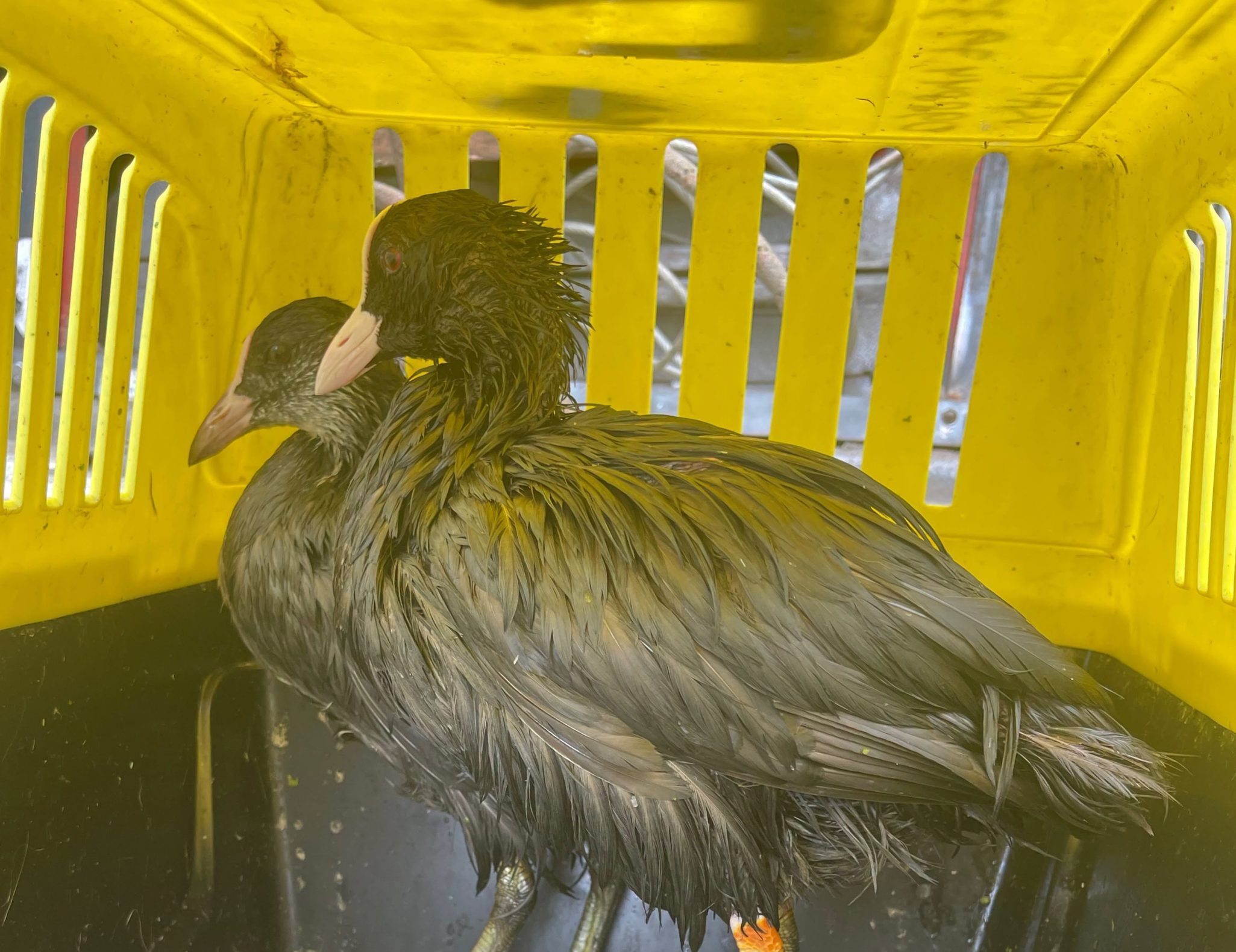
L;thtkj^ Kyiv Animal Rescue Group
As of the evening of Saturday, July 4, the Kyiv Animal Rescue Group team reported over 40 animals rescued.
“On the first day, the team took two grebes for cleaning. On the second day, another 16 birds were rescued: 11 grebes, 6 coots, and 1 duckling with varying degrees of contamination. On the night of the third day, a beaver was found completely covered in fuel oil. The work continues. Today, 24 more birds and a pond turtle have already been caught,” animal rights advocates said.
The rescued birds were sent to a rehabilitation center where they will be cleaned and given the necessary assistance.
Safety measures
Contamination may pose a danger not only to animals but also to people. Therefore, the Ministry of Economy urged citizens to be more cautious.
Until the leak is completely eliminated, swimming in Lake Kyrylivske or even spending time on the nearby beach areas should be avoided. In general, it is best to stay at a safe distance from the lake’s waters.
Until the body of water is officially declared safe, it is prohibited to use its water for household or domestic purposes.
Meanwhile, petroleum product vapors may also be present in the air, so authorities advise people to limit their time in areas where a distinctive smell is detected. If it is noticed near homes or offices, it is better to keep windows closed and maintain proper hydration.
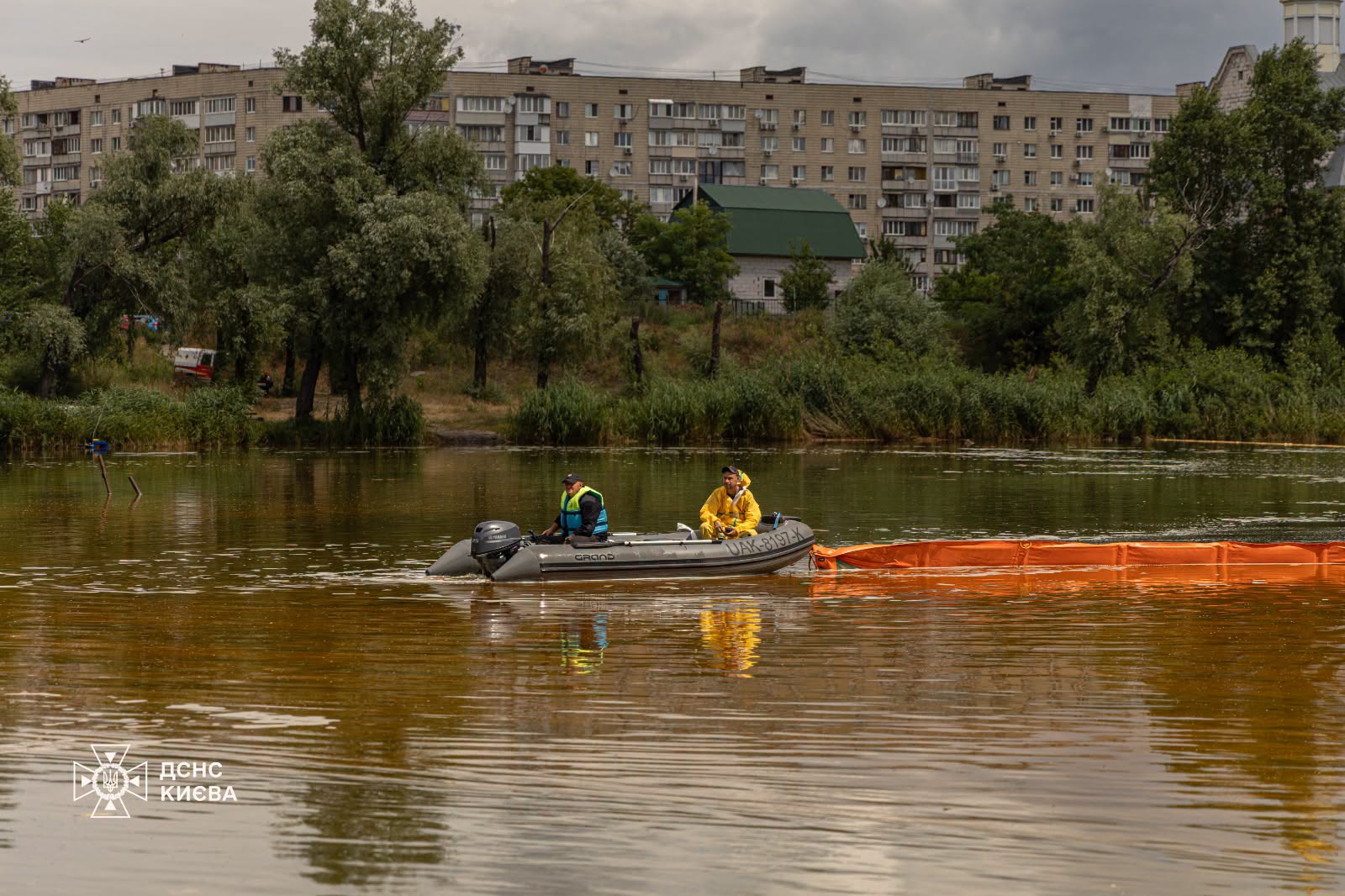
Source: State Emergency Service of Ukraine
EcoPolitic previously reported that scientists believe the scale of dolphin deaths in the Black Sea in May was the greatest since the beginning of the full-scale invasion. Among the causes of death for the animals are acoustic pollution and poisoning by petroleum products, which cause toxic damage to internal organs.