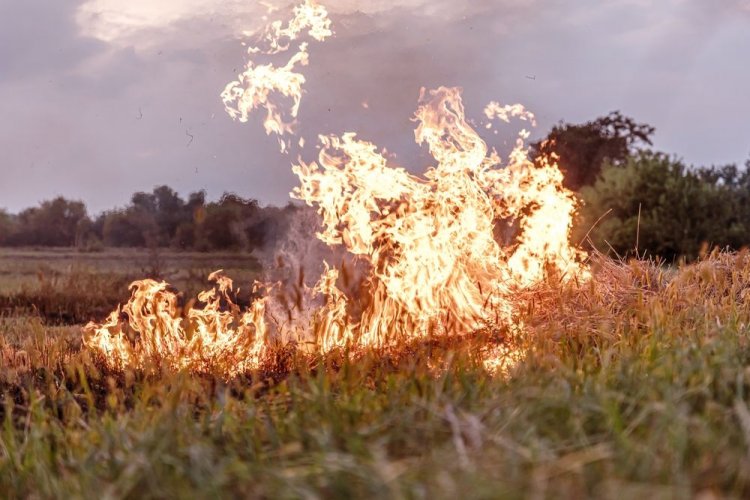
With the onset of spring and the melting of snow in Ukraine, the number of fires in natural ecosystems traditionally increases. Dry vegetation—grass, leaves, twigs—is highly flammable, and fires are most often caused by deliberate arson or human negligence.
The State Emergency Service has reminded the public why it is not advisable to burn dry grass and leaves and what penalties are imposed for doing so.
The danger of arson
Fires involving dry plant debris are difficult to control. Even a slight gust of wind is enough for the fire to spread to neighboring objects and cause large-scale destruction. Fields and agricultural land, forests, as well as houses, buildings, and infrastructure may be at risk.
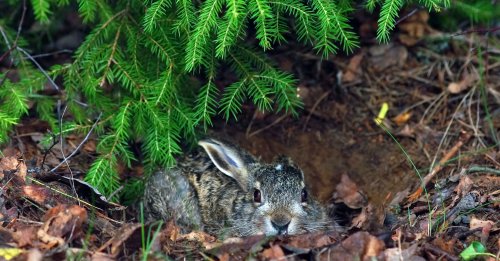
Such fires threaten the lives of animals, including birds and insects. Damage to ecosystems can have long-term negative consequences, including the destruction of fertile soil.
Any fire is a source of toxic emissions. Smoke contains harmful substances that pose a threat to human health.
Legal liability
The burning of dry vegetation is not only harmful, but also prohibited by law. Sanctions for such actions are governed by the Code of Administrative Offences. According to Article 77, the following fines apply:
- from 3,060 to 6,120 UAH for citizens;
- from 15,300 to 21,420 UAH for officials.
However, if the man-made fire caused significant consequences, the offender may also be subject to criminal liability.
Rules accessible to everyone
Rescuers emphasize that everyone, through a conscientious attitude towards nature, can help prevent disaster. The State Emergency Service strongly recommends:
- do not set fire to plant residues and dry grass;
- do not make bonfires if there is dry vegetation nearby;
- do not burn waste in open areas;
- do not throw cigarette butts and matches into dry grass.
If a fire is detected, you should immediately call 101.
EcoPolitiс reported that in the Kharkiv region, 350 hectares of forest burned down due to a smoldering cigarette butt. In this way, a local fisherman caused more than 30 million UAH in environmental damage.
Previously, we also reported on the fines for picking and selling early-spring wildflowers.