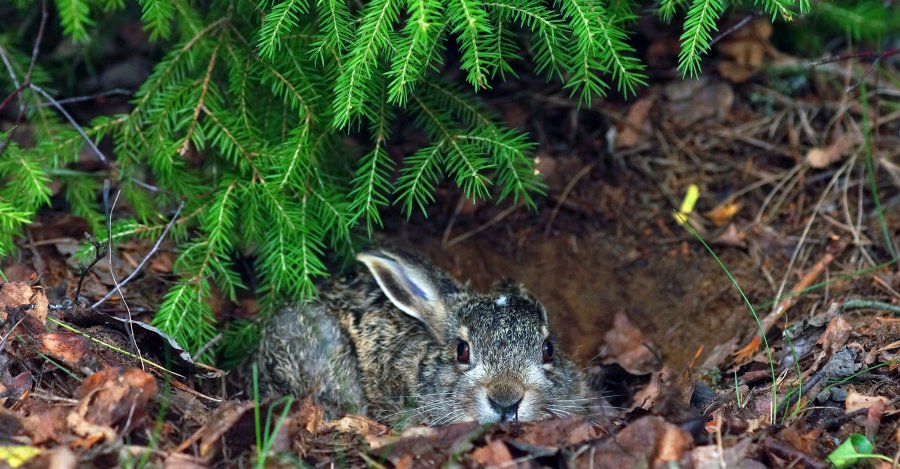
Spring is the traditional mating and breeding season for wild animals. Therefore, the so-called “quiet season” will be in effect in Ukraine from April 1 to June 15. During this period, people are prohibited from doing anything that might disturb the animals or harm their habitat—whether in parks, forests, steppes, along the shores of water bodies, or underwater.
As emphasized by the State Environmental Inspection, all restrictions during this period are regulated by the Law of Ukraine “On the Animal World.”
Do not disturb nature
The prohibitions of the “season of silence” apply to all citizens of Ukraine, land users, and business entities.
First and foremost, the restrictions pertain specifically to noise. During this time, it is prohibited to organize loud outdoor activities, use fireworks, conduct blasting operations, or shoot firearms. Of course, due to wartime conditions, certain restrictions do not apply to specific regions.
Protecting plants
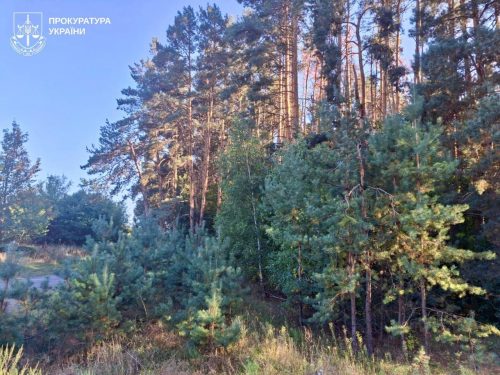
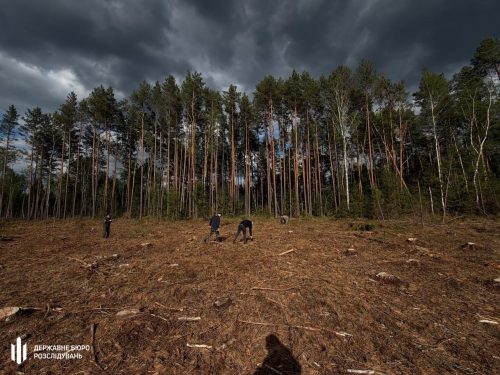
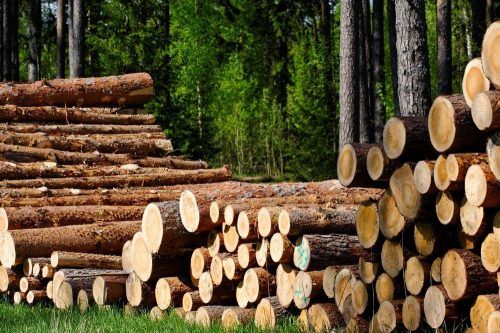
The quiet season also concerns the plant world. Active interference in it can harm the animals living there. That is why, from April 1 to June 15, sanitary and formative fellings are prohibited in forests that belong to reproductive areas.
The ban also applies to burning dry vegetation or its remnants. The exception is strict compliance with the requirements established by the central environmental authority.
While relaxing, it is forbidden to make noise in forests and near water bodies, to destroy nests, touch animals and their offspring. It is also not allowed to leave dogs unleashed in nature.
Leaving fish undisturbed
Some restrictions also apply to fishing, as spawning season begins for most species of these animals. In particular, underwater hunting, industrial fishing, and sports fishing competitions are prohibited.
It is also forbidden to use motorboats on water bodies, except for those used by fishery patrols.
In general, the spring-summer spawning ban starts on most water bodies of Ukraine. For some, the starting date may differ. For example, fishing in the Dnipro Reservoir is prohibited from April 5, while in the Kremenchuk, Kaniv, Dniester Reservoirs, as well as in the Dnipro and Desna rivers – from April 10.
Liability for violations
Fines for violating the quiet season are regulated by Article 87 of the Code of Ukraine on Administrative Offenses:
- for citizens – from 30 to 50 tax-free minimum incomes (from 510 to 850 UAH);
- for officials – from 50 to 70 tax-free minimum incomes (from 850 to 1190 UAH).
EcoPolitic previously reported on the liability for picking and illegal sale of early spring flowers.
We also reported on the ineffectiveness of fines for illegal tree felling within populated areas. Experts calculated that these fines may end up being lower than the value of illegally harvested timber.