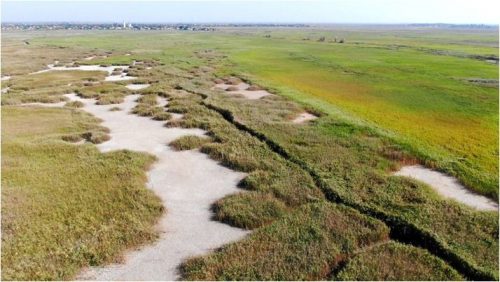
A new ecosystem is being created at the bottom of the destroyed Kakhovka Reservoir. Trees, lakes, and swamps are appearing, and sand and silt have emerged from under the water.
This was reported by scientists, according to BBC Ukraine.
According to scientists, two years ago, the reservoirs occupied 13-15% of the territory of the former reservoir, and by the spring of 2024, the water covered more than 30% of the territory.
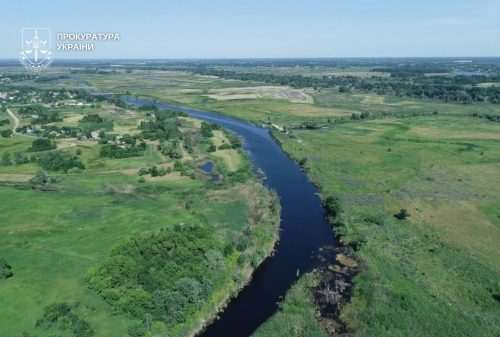
At the bottom of the Kakhovka Sea, the riverbeds that existed before the reservoir was built have been restored. Scientists in the Kamyanska Sich National Park saw the Kamyanka River, which had been flooded by the reservoir for over 70 years.
"When the water left the reservoir, this river restored its bed. Reeds and cattails have grown back on its banks," says botanist Anna Kuzemko.
In addition to forests and old rivers, there are lakes in the reservoir area where aquatic vegetation is appearing. Scientists have noticed large flocks of birds near them.
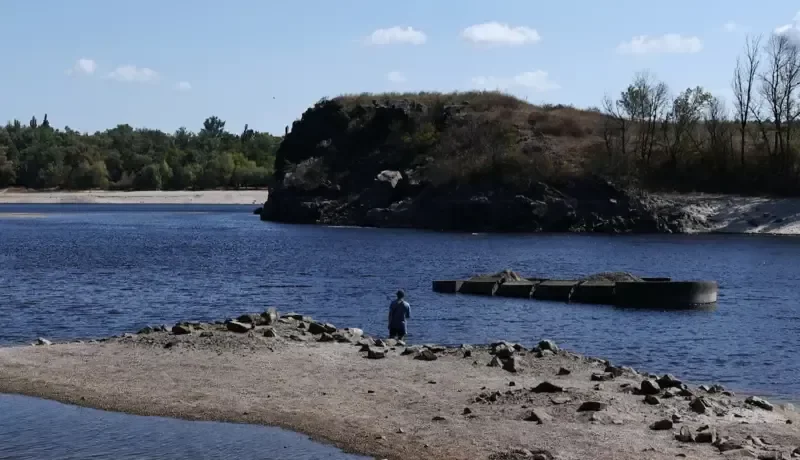
Photo: Getty Images
According to scientists, two years after the disaster, nature is gradually recovering, and the Great Meadow is returning in a new form.
“The Great Meadow that everyone talks about is not actually meadows, but a large floodplain forest. Such large willow and poplar forests existed there before the construction of the Kakhovka Hydroelectric Power Plant, and there were also alders and oaks growing there. There were meadows, pastures, and hayfields,” says Anna Kuzemko.
According to scientists' estimates, after the dam was blown up, about a third of the animals and plants that lived there before the reservoir was built have returned. Vegetation at the bottom of the reservoir is appearing extremely quickly — in 2022 there were 11 species, and in May 2025 there were over 300 species.
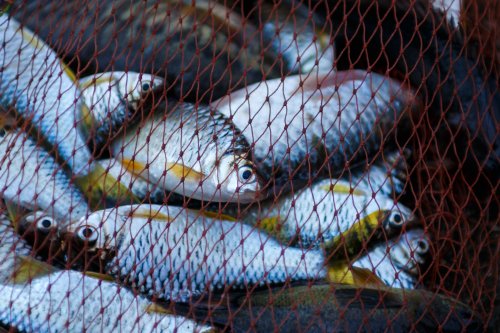
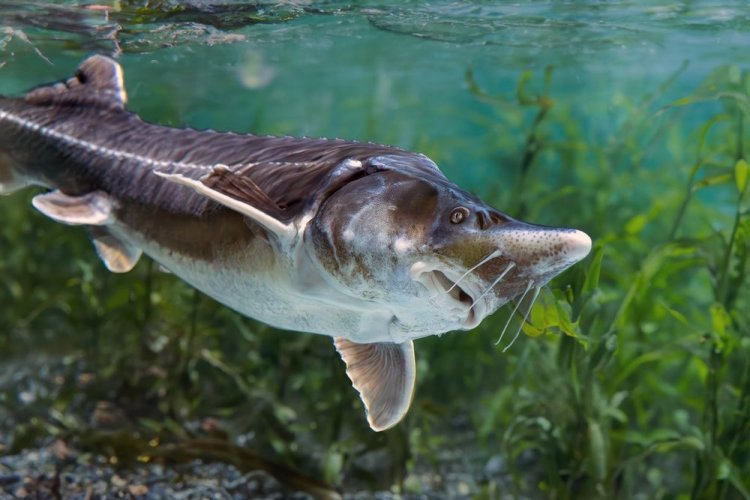
For the first time in 70 years, sturgeon were seen near Khortytsia Island. This is one of the biggest changes in the Kakhovka Sea area after the dam was blown up. Four sturgeon weighing over 10 kg have already been found.
"The absence of the dam has enabled fish to migrate upstream. Fish from the Black Sea can now freely swim as far as Zaporizhzhia, which is about 200 km of the restored riverbed," says ichthyologist Viktor Demchenko.
The scientist notes that before the construction of the Kakhovka and Zaporizhzhia hydroelectric power plants near Zaporizhzhia, there were entire sturgeon fish colonies. But due to the construction of dams, the spawning grounds were destroyed. Now sturgeon fish are returning to their historic place.
EcoPolitic previously reported that the Kakhovka Reservoir may be hiding a “toxic disaster” in the oasis.