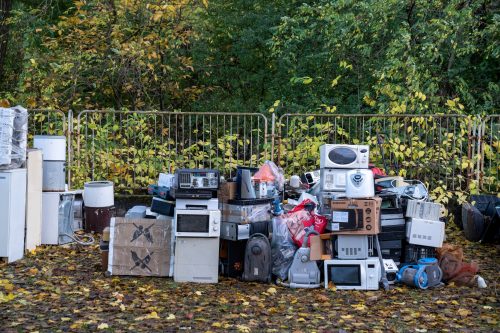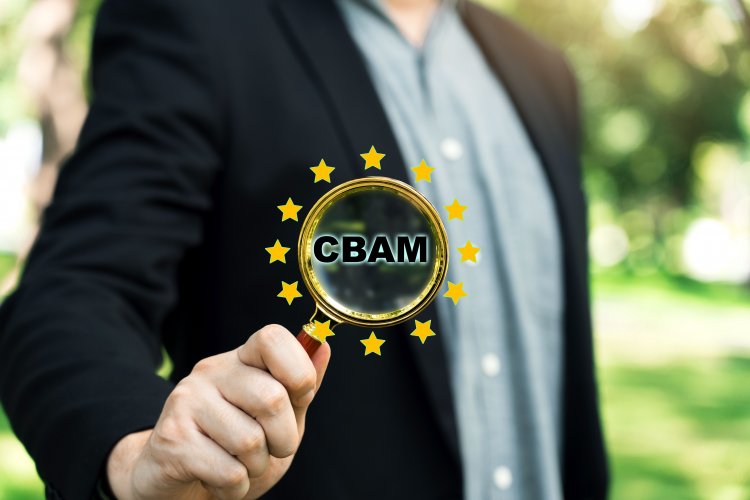
The European Union is working to add automotive parts, refrigerators, and washing machines to the list of goods covered by the Carbon Border Adjustment Mechanism (CBAM).
This is stated in a draft proposal by the European Commission, which was reviewed by Reuters.
The document notes that expanding the scope of CBAM will eliminate the risk of carbon leakage for products lower down the value chain of steel and aluminum products, which are currently covered by this mechanism.
According to the draft proposal, the levy will also apply to construction materials for bridges, power transformers and cables, as well as agricultural machinery.
EU officials selected the new products based on their susceptibility to "carbon leakage," i.e., the risk that companies will move production outside Europe to avoid the bloc's strict climate policies.
Who benefits from this expansion
The carbon border adjustment is designed to protect EU companies from cheaper imports with high emissions and encourage manufacturers around the world to adopt more environmentally friendly production methods.
The European Commission's second draft proposal plans to use 25% of the revenue collected from the carbon border adjustment mechanism to compensate European producers in 2028-2029 for the higher costs they face as a result of the carbon border adjustment mechanism on imports. According to the draft, industries will only be eligible for such support if they invest in reducing the carbon footprint of their production.
The EU expects the carbon border tariff to generate €2.1 billion in revenue by 2030.
The European Commission's proposal is a response to demands from industries that the EU compensate European exporters for their costs to help them compete in foreign markets where competitors do not pay CO2 emission costs. However, the draft proposal does not specify that the fund will be earmarked for exporters.
The existing policy has been criticized by trading partners, including China, India, and South Africa, who argue that it unfairly penalizes the industries of developing countries.
In an interview, Ukraine's Minister of Economy, Environment, and Agriculture Oleksiy Sobolev announced that Ukrainian officials want to postpone the full implementation of the carbon adjustment mechanism for imports to Ukraine until at least 2028.