The EU has established clear rules for certifying climate innovations aimed at removing and storing CO2. The European Commission has announced the approval of the first set of methodologies under the Carbon Removal and Carbon Farming Regulation (CRCF).
The European Commission is convinced that legally sound and voluntary principles for registering innovations will help shape a new market for green startups and support the development of the bioeconomy in the EU.
The methodology covers three key types of climate innovations:
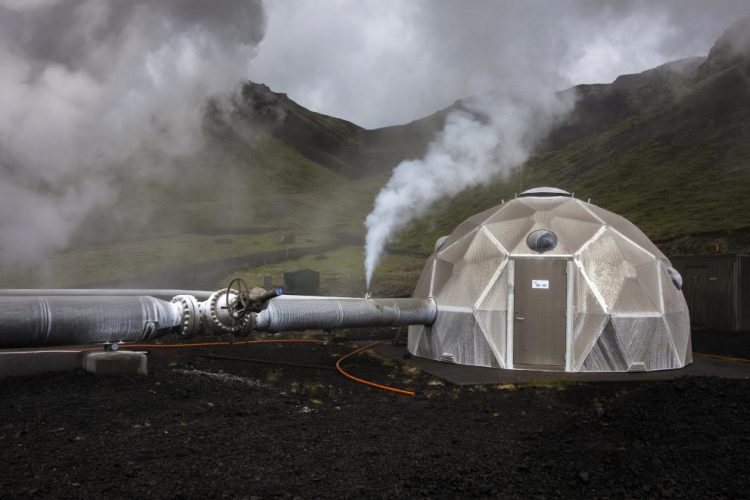
- direct air capture of CO₂ with subsequent storage (DACCS);
- capture of biogenic emissions with subsequent storage (BioCCS);
- carbon removal using biochar (BCR).
“The European Union is taking decisive steps to lead global efforts on carbon removal. By setting clear, robust voluntary standards, we are not only promoting responsible climate action in Europe, but also setting a global benchmark for others to follow,” said European Commissioner for Climate Action Wopke Hoekstra.
Green light for practical implementation
Harmonizing the rules and certification framework is an important step towards practical implementation. They create the regulatory basis for the next stage – obtaining EU certification for carbon removal projects. Initiatives utilizing DACCS, BioCCS, and biochar will be able to receive official recognition in the coming months.
The adopted methodologies establish important nuances – from terminology to responsibility. In particular, the rules define what exactly constitutes one tonne of removed CO2, how to ensure the permanence of results, and how to assess the risks of project implementation.
What's next?
The regulation must still be reviewed by the European Parliament and the Council of the EU. If there are no objections, the methodologies will be published in the Official Journal of the EU in early April and will come into force 20 days later.
The European Commission is currently developing additional methodological recommendations for the certification of environmental projects, including:
- Carbon-free farming. The framework for carbon removal projects through clean agriculture, afforestation, and peatland rewetting will help farmers generate additional income;
- Bio-based building materials. Projects in this group are focused on technologies for carbon retention in construction. The European Commission expects this will promote the adoption of circular principles in the building sector.
EcoPolitic previously reported that the European Union adopted a declaration to combat climate disinformation. The EU government considers insufficient and distorted climate data to be an obstacle to the implementation of environmental policies.