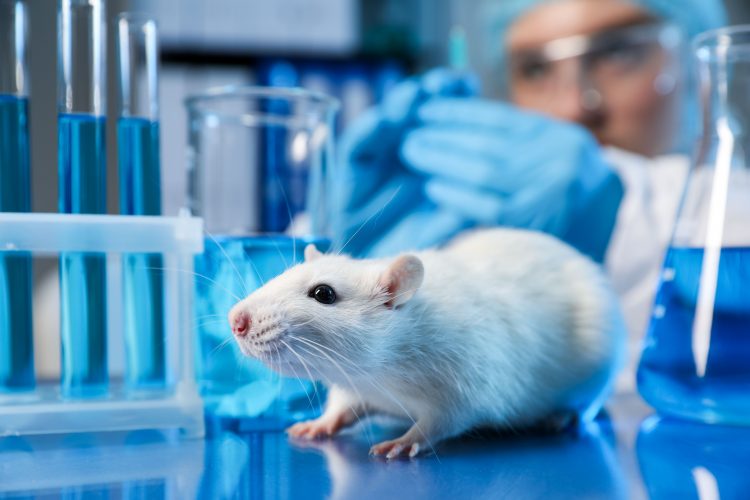
The European Union has outlined specific steps to end the use of animals in chemical testing. The roadmap presented focuses primarily on the development and implementation of innovative alternatives that will allow for equally effective assessment of the safety of compounds for humans and the environment.
According to the European Commission, this step is part of a broader Action Plan on Chemicals and also strengthens the existing REACH system.
The roadmap includes 22 measures across three key areas. The phase-out of animal testing will be implemented gradually. This applies to 15 sectors. Specifically, this includes pesticides and biocides, pharmaceuticals, chemicals for industrial and consumer use, and food additives.
Areas of focus
- Practical Changes. This section of the roadmap presents over 30 recommendations designed to accelerate the replacement of animals in experiments or the gradual reduction of their use.
- Search for alternatives. Europe wants to secure its leadership in scientific research, so it intends to support the development of approaches that do not require the use of animals. Specifically, this involves the implementation of big data systems and artificial intelligence.
- International and domestic cooperation. The EU plans to create a system that would facilitate the implementation of innovative testing practices. This involves not only cooperation among EU member states but also with regulators in non-EU countries.
What’s next?
The European Commission assures that implementation of the roadmap will begin immediately. To this end, they plan to collaborate with EU member states and other stakeholders.
A high-level conference is planned for 2029 to assess progress.
EcoPolitic previously reported that Poland has banned the breeding of animals for fur production. Businesses must comply with the law by 2033.