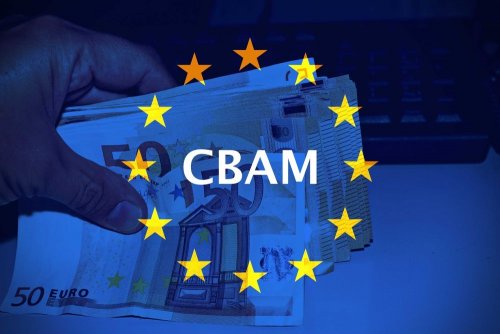
Ukraine and Sweden have agreed on principles of cooperation that will simplify the accreditation process for verifiers. This is necessary to enable the Ukrainian side to provide accurate data on greenhouse gas emissions for products subject to the European Carbon Border Adjustment Mechanism (CBAM).
This was reported by the Ministry of Economy, Environment, and Agriculture.
Leaders of the Swedish Accreditation Body (SWEDAC) are ready for flexible cooperation. Under this framework, Ukrainian verification bodies will be able to obtain accreditation from the Swedish side, which will base its decisions on the expertise of the National Accreditation Agency of Ukraine (NAAU).
The Ministry of Economy is convinced that this mechanism will allow Ukrainian exporters to undergo verification more quickly while maintaining their competitiveness to the greatest extent possible.
“This solution makes it possible to bypass logistical obstacles associated with the inability of foreign experts to visit Ukraine under martial law conditions. We are setting a precedent where international accreditation is carried out in close cooperation with our national body,” said Deputy Minister of Economy Oleksandr Krasnolutskyi.
Going forward, Swedish-Ukrainian cooperation will move to the stage of legal coordination of the details. Also, the first technical consultations between NAAU and SWEDAC are expected to take place this week.
EcoPolitic previously reported on how the Ministry of Economy plans to seek a postponement of CBAM for Ukraine. Europe had previously refused to apply Article 30 of the CBAM Regulation, having made an overly optimistic forecast regarding the mechanism’s impact on the Ukrainian economy – only 0.01% by 2030.