For years, sewage from the city of Bolhrad in the Odesa region has been discharged outside the city limits—without treatment—into areas not designated for such purposes. This gross violation of the law has been documented, yet city officials claim that a treatment plant is already in the works.
This information came to light in a response from the Bolhrad City Council to the online publication "Mahala."
Systematic environmental violation
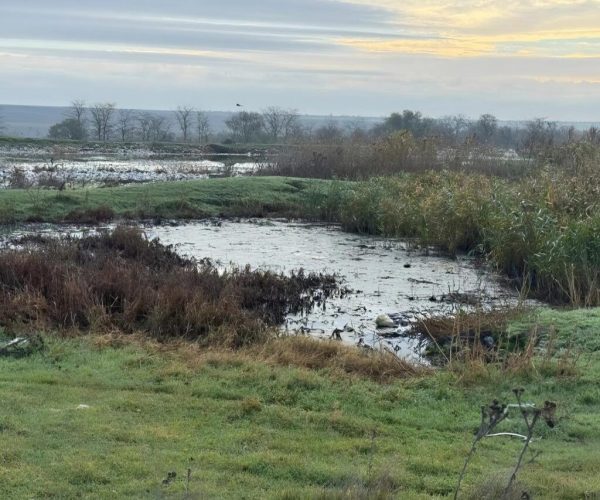
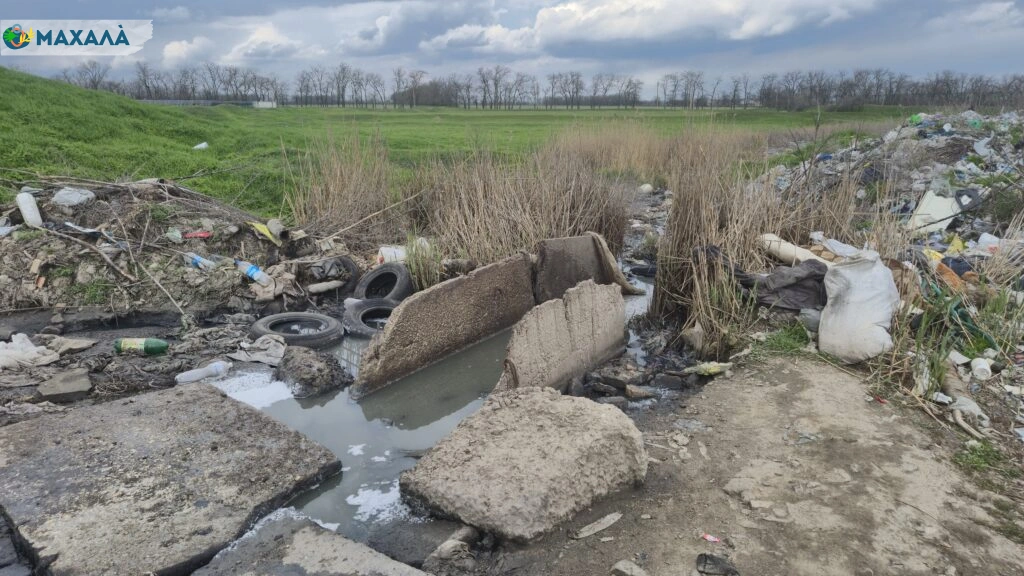
Sewage has long been pumped outside Bolhrad onto a 3-hectare plot. The State Environmental Inspection previously reported that this is not an isolated incident and is not related to an emergency situation.
In fact, the cause of the systematic environmental contamination is the lack of adequate treatment facilities. The State Environmental Inspection (SEI) noted that the Bolhrad City Council had failed for a long time to take measures to build new or restore existing infrastructure.
After the environmental violation was detected, the State Environmental Inspection of the Southwestern District issued a mandatory order to the city council. This order concerns measures to organize proper wastewater disposal with treatment, as well as the remediation of land contamination. The deadline is March 11, 2026, but as of that time, there was no information regarding compliance with the order.
Source: mahala.com.ua
Is the city planning any action?
According to “Mahala”, the city council did not provide clear answers to key questions in response to an information request. They cited the non-disclosure of some data concerning future plans.
“There is no information regarding any temporary or urgent measures that could already be implemented to halt the discharge of untreated sewage. No explanations have been provided for the failure to comply with the State Environmental Inspectorate’s order, for which the deadline has already passed,” the media reports.
Nevertheless, the city is indeed moving toward constructing new treatment facilities. The project, which received a positive expert assessment, dates back to 2024. The estimated cost for building the wastewater treatment facilities is over UAH 246 million, with a construction period of two years. According to the project specifications, the equipment will treat 1,500 cubic meters of sewage per day, and the facilities themselves will occupy 13 hectares outside the city limits.
However, the project has yet to commence. The city council reports that it is searching for funding sources.
At the same time, Bolhrad authorities acknowledge that the existing treatment system is outdated and failing to perform its function. For instance, the use of worn-out settling tanks poses risks of partially treated effluent seeping into soils and groundwater.
No concrete action
Journalists visited the site and confirmed that there is no evidence of treatment facilities operating at the location.
“The discharge flows into an excavated pit in the ground, where cesspool trucks dump sewage without any treatment stage,” the media notes.
In general, neither the State Environmental Inspectorate’s order nor the criminal proceedings have compelled Bolhrad authorities to take concrete steps to address soil contamination.
EcoPolitic previously reported that in Kyiv, the damages for land pollution amounted to over 1.3 billion UAH. For five years, a local company was dumping household waste outside the landfill area.