The Earth’s natural environment faces a range of threats — from pollution and reckless exploitation to global warming. So every year on 5 June, countless events take place around the world, from the UN level down to the smallest communities, to draw attention to the urgent need for action to protect the environment. All of them are dedicated to World Environment Day.
EcoPolitic has compiled the key facts about this day and a list of key actions that can save the planet.
History of the вate
As far back as 55 years ago, on May 11, 1971, the Secretary-General of the United Nations received an appeal regarding the unprecedented threat of environmental pollution. More than 2,000 scientists from 23 countries around the world were adamant – if humanity does not tackle pollution, pollution will overcome humanity.
Already the following year, at the World Conference on Environmental Protection, it was decided – to observe World Environment Day every year on June 5. This date was officially enshrined by a United Nations General Assembly resolution on December 15, 1972. To support the event, the United Nations Environment Programme (UNEP) was established.
Deadly сlimate сhange
In 2026, the key theme for World Environment Day is global warming and the climate change it drives. The United Nations insists that the world must halve its greenhouse gas emissions by 2030. Only in this way can warming be limited to 1.5°C this century.
“Without taking action, the impact of air pollution, which already exceeds safe limits, will grow by 50 percent within a decade, and the amount of plastic waste entering aquatic ecosystems will nearly triple by 2040,” – the United Nations emphasizes.
UNEP calls for specific actions – to join in disseminating information and supporting global initiatives, and to initiate high-level discussions.
What needs to be done?
Millions of deaths can be prevented by 2050. To achieve this, humanity must adhere to a clear environmental approach and make climate priorities central to its activities.
- Energy Efficiency. Building upgrades reduce energy consumption, and therefore – the amount of emissions produced during its generation.
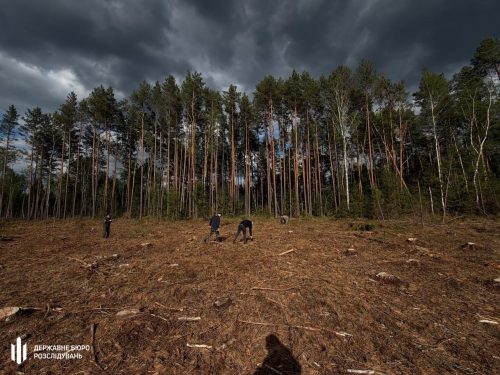
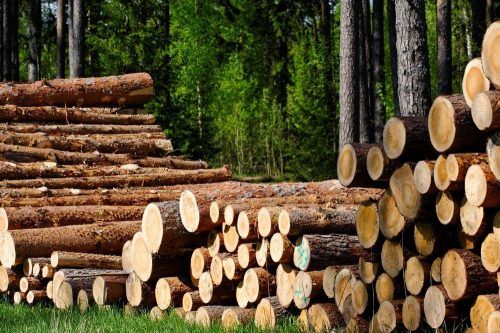
- Forest Restoration. Tree planting captures carbon, reducing climate risks. Moreover, preserving and expanding forest areas protects biodiversity.
- Clean Energy. Shifting to solar and wind power, biomethane, and electric vehicles – all this helps decrease the use of fossil fuels, which are the main source of greenhouse gas emissions.
- Smart Consumption. The production of every good or product is accompanied by environmental pollution. Therefore, people should make purchases responsibly, reducing the amount of waste. This also applies to food products.
The United Nations Environment Programme also emphasises the need to green our cities. Cities are responsible for 70% of global emissions and, at the same time, are overheating due to a lack of green spaces. UNEP stresses that pockets of nature amidst the concrete and tarmac can reduce urban temperatures by 4°C.
EcoPolitic consistently covers the dynamics of global warming in its publications. The year 2026 has already set a series of questionable “records.” The first heatwave in Europe has already claimed dozens of lives in France and the United Kingdom, and wildfires worldwide have started long before the onset of summer.