The development of global IT infrastructure requires more and more energy resources and, at the same time, is responsible for emissions caused by the production of this energy. Therefore, major technology players are looking for ways to offset their impact on the planet through good environmental practices.
Google has chosen to invest in a Brazilian startup that restores tropical forests. This will become the company's main source of carbon credits.
According to Reuters, the new agreement is four times larger than last year's pilot collaboration, but neither party has commented on the value of the deal.
The price of balance
Tech companies are rapidly developing networks of data centers, particularly for AI. This race for global digital leadership has a side effect: increased emissions due to the production of ever-increasing amounts of energy.
The volume of emissions for which Google alone is responsible has more than tripled since 2020, reaching 3.1 million tons of carbon. That is why companies are implementing such "acts of conscience."
Last year, Google donated over $100 million to projects developing decarbonization technologies. These include research into biochar, direct carbon capture from the air, and river acidity regulators.
However, such initiatives are difficult to compare with the effect of planting trees. Therefore, investing in the restoration of Brazil's forests has become the company's next environmental step.
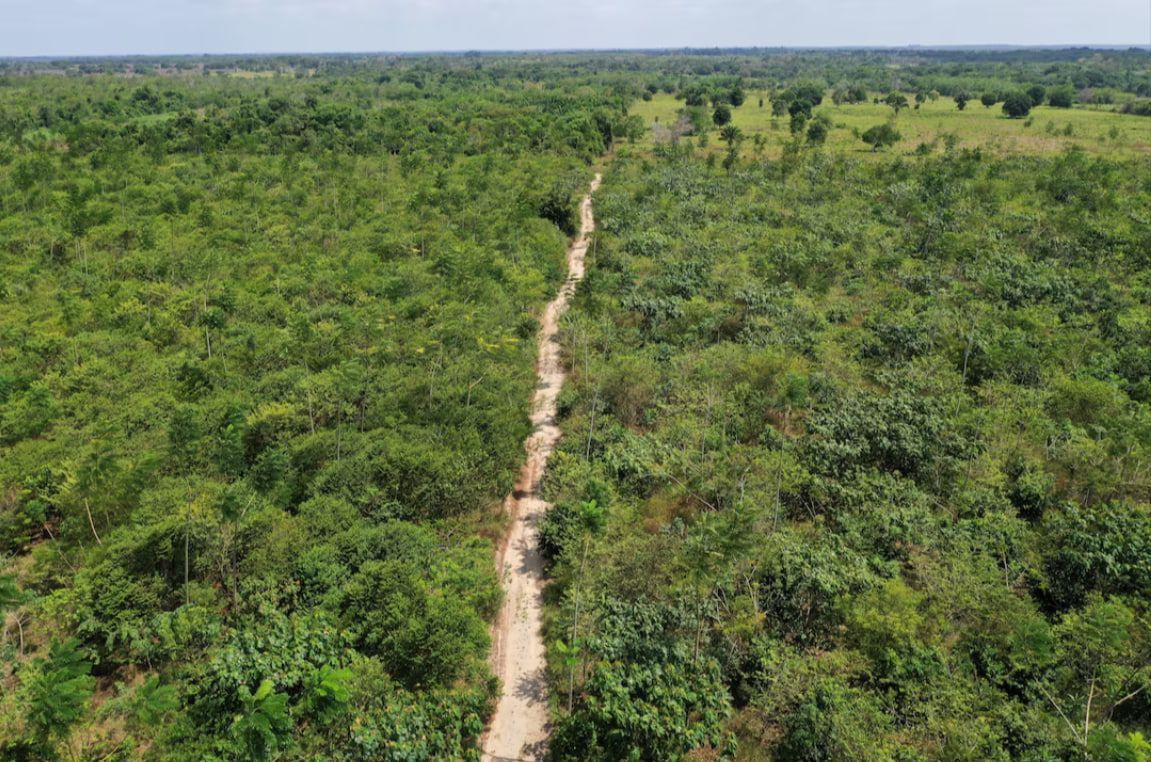
Photo: Reuters
Lack of high-quality credits
The company is quite cautious about purchasing carbon credits, avoiding the REDD+ mechanism. Google doubts its quality, believing that in Brazil it shows signs of fraud and illegal logging.
"Buyers used to purchase carbon credits without knowing what they were buying. So they got involved in low-quality and sometimes fraudulent projects," Reuters quotes Google representative Gabriel Silva as saying.
The largest buyers of carbon credits — Google, Microsoft, Meta, McKinsey, and Salesforce — have formed a coalition that demands transparent standards and a scientific approach from emissions offset projects. Mombak has been identified as the first of 185 projects that meets the requirements.
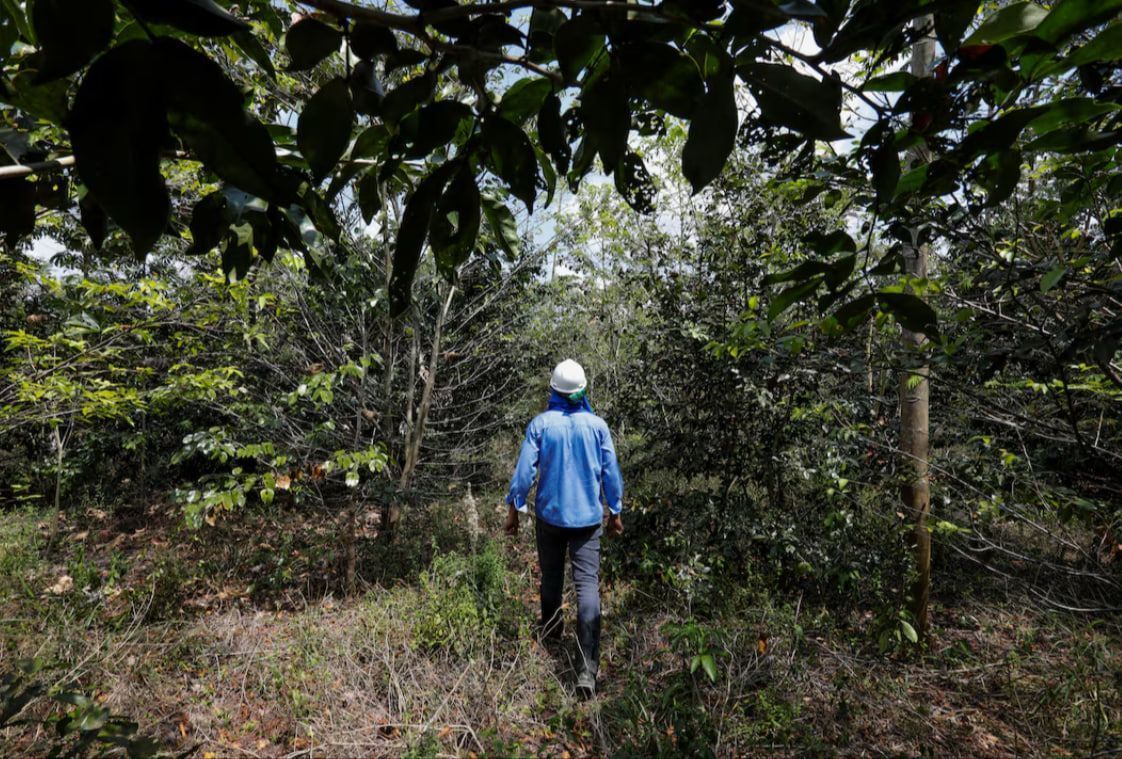
Photo: Reuters
There is a lack of truly effective and honest initiatives, the coalition notes, so their price is rising. For comparison, carbon credits under the REDD+ mechanism can cost $10 to offset 1 ton of carbon emissions, while in new startups, they can cost $50–100.
Earlier, EcoPolitic reported that after difficult discussions, the EU had finally agreed on its NDC. However, part of the relaxation of conditions was the permission to use carbon credits.