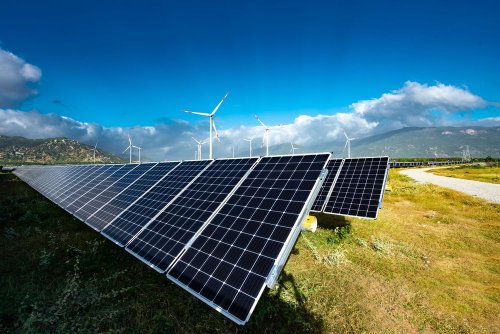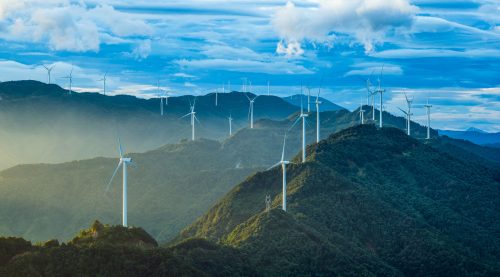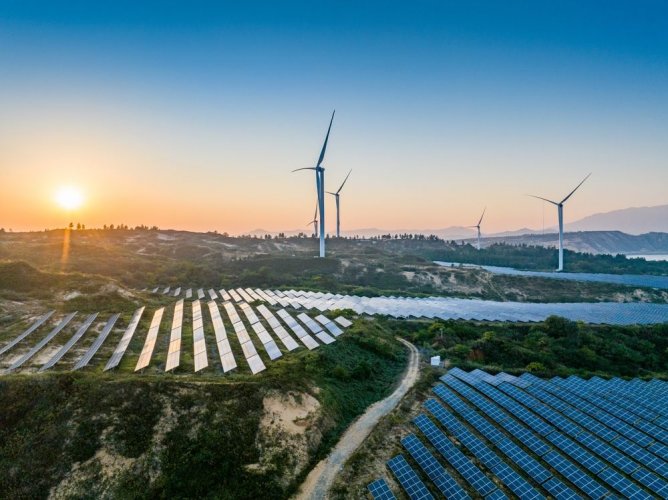
In the first half of 2025, global renewable energy production surpassed coal-fired power generation for the first time, compared to previous years.
This was reported by the climate analysis center Ember, according to The Guardian.
In the first half of 2025, the world produced almost a third more solar energy than in the same period in 2024. Wind energy accounts for more than 7% of total global energy generation. This allows renewable energy sources to surpass fossil fuel generation for the first time.
“Solar and wind energy are now developing fast enough to satisfy the world's growing appetite for electricity. This marks the beginning of a shift where clean energy is keeping pace with growing demand,” said Malgorzata Wiatros-Motyka, senior electricity analyst at Ember.
According to the study, by the end of the decade, energy production from renewable sources could double. Experts expect that 80% of new clean energy capacity will come from solar energy, with the rest divided between wind, hydro, bioenergy, and geothermal energy.
The analytical center reports that China will remain the world's largest market for renewable energy sources, while India will rank second in terms of green energy use. In particular, solar energy is expected to grow rapidly in economies such as Saudi Arabia, Pakistan, and a number of Southeast Asian countries.
Ember said China has invested more in renewable energy than the rest of the world combined. As a result, global fossil fuel use fell by 2% in the first half of 2025 compared to a year ago. During the same period, India tripled its demand for renewable energy. As a result, India managed to reduce its use of coal by 3.1% and gas by 34%.
In the European Union, demand for renewable energy showed only slight growth. The EU has also seen a decline in wind and hydroelectric power production due to weather conditions. However, solar power generation is developing rapidly in the EU countries, but it has not been able to prevent a 14% increase in gas production and a 1.1% increase in coal production.
We remind EcoPolitic readers that in the second quarter of 2025, 54% of the European Union's electricity was generated from renewable energy sources.
Last year, during the same period, the share of renewable energy in the EU was 52.7%. This growth was due to the increase in the share of solar energy, which generated over 122,000 GWh in the second quarter of 2025. This is almost 20% of all energy generated in EU countries.