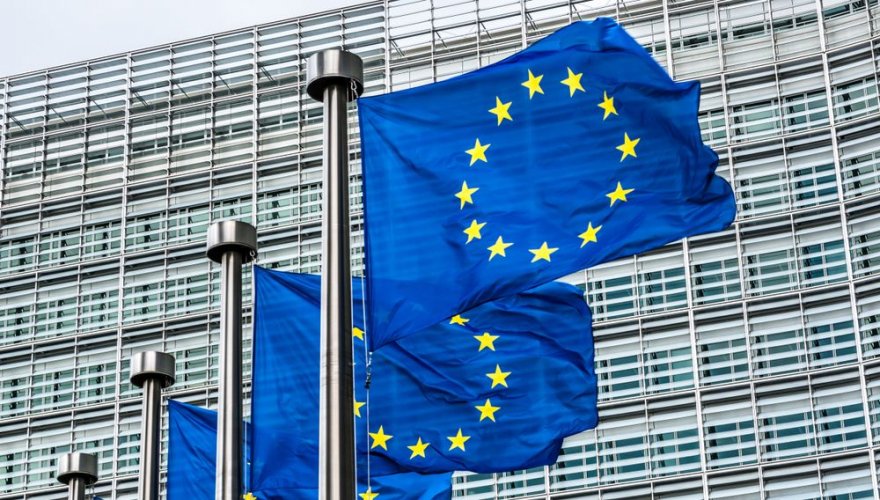
The EU Council has officially adopted a directive on the protection of the environment through criminal law, which will improve the investigation and prosecution of environmental crimes.
The new rules expand the list of environmental crimes that carry criminal penalties from 9 to 20 and introduce a provision for a "qualified crime," the EU Council press service reports.
It is noted that the new directive replaces the 2008 rules. They will apply only to offenses committed in the EU. However, member states may extend their jurisdiction to crimes committed outside their territory.
The press service said that the new crimes include:
- trade in wood;
- illegal processing of polluting ship components;
- serious violations of legislation on chemical substances.
The directive also introduces a provision on "qualified crime", which applies when the offense referred to in the directive is committed intentionally and causes destruction or irreversible or lasting damage to the environment.
It is noted that intentional crimes that caused the death of a person will be punished by the maximum penalty of imprisonment for a term of at least ten years. However, member states may establish even more severe penalties in their national legislation. Other crimes are punishable by imprisonment for up to five years. The maximum term of imprisonment for qualified crimes will be at least eight years.
The press service explained that for companies, the amount of the fine for ecocrimes will be at least 5% of the total global turnover for the most serious violations or €40 million. For all other offences, the maximum fine will be at least 3% of turnover or alternatively €24 million.
In addition, member states must punish ecocrimes with additional measures, in particular:
- oblige the violator to restore the environment or compensate for damages;
- deprive the company of access to state funding;
- revoke their permissions or authorizations.
"Member states have two years from the date of entry into force of the directive to adapt national legislation to the new rules," the press service added.
As EcoPolitic previously reported, in November 2023, the European Parliament and the Council of the EU reached a preliminary agreement to update EU rules on environmental crimes and sanctions to strengthen ecosystem protection.