The European plastics processing industry is facing plant closures and could fall further behind its global competitors in plastics processing if urgent action is not taken.
This was stated by the industry lobby group Plastics Europe, according to Reuters.
The group said that the European Union should recognize plastics processing as a strategically important industry. In particular, because of its importance for the automotive, defense, and agricultural sectors.
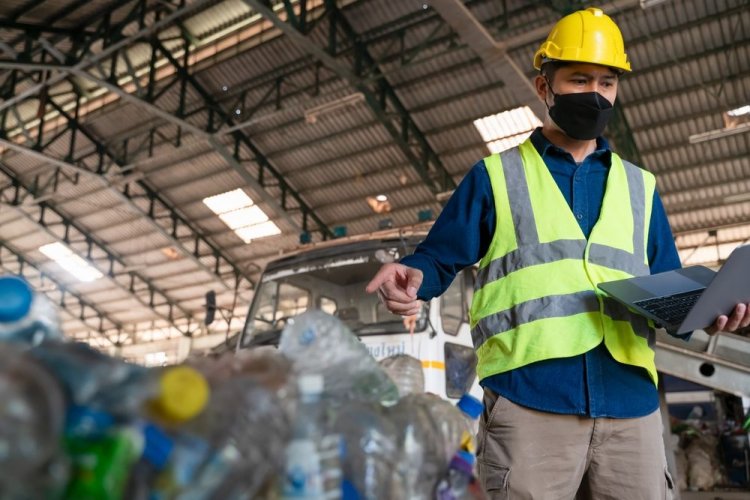
Experts noted that plastic recycling volumes in Europe grew by 0.4% in 2024 after a record decline of 7.6% in 2023. In particular, global production of recycled plastic grew by 4.1% in 2024. However, Asia produced more than half, with China producing just over a third of the world's plastics.
Experts added that Europe's former leadership in recycled plastic production is also fading into the background, as the capacity of the EU's recycling industry did not increase in 2024. Instead, China's recycled plastic production is now almost double that of Europe.
The European plastics industry needs to cover greenhouse gas emissions from production by purchasing emission allowances. Rob Ingram, CEO of Ineos Olefins and Polymers Europe and member of the Plastics Europe Management Board, said that the EU plastics industry is on the “brink of collapse” and is struggling to remain competitive. He called on the EU to suspend the planned reduction in free carbon emission allowances for companies so that European factories can continue processing.
We remind EcoPolitic readers that in August, negotiations began in Switzerland to finalize the signing of an agreement aimed at reducing plastic pollution.
Discussions continued on the commitments to be included in the agreement. More than 100 countries supported a legally binding treaty to limit plastic production and phase out single-use plastics and certain chemicals.
However, a number of major fossil fuel producers, such as China, Russia, Iran, and Saudi Arabia, opposed the restrictions. They believe that the solution to the problem lies in recycling and redesigning plastic products.
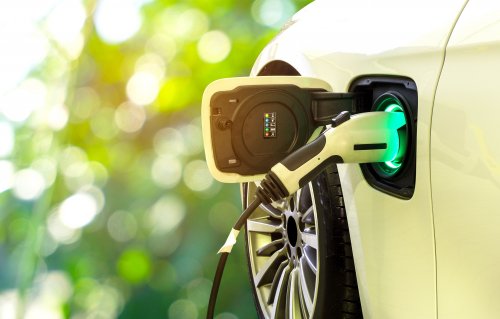
We also recommend reading about a new document released in June, which will soon be supported by EU environment ministers, that provides for a three-stage approach, whereby the targets for recycled plastic content in new cars will increase from 15% six years after approval, to 20% in 8 years, and finally to 25% in 10 years.