The Khmelnytsky Regional State Administration decided to "delegate" the destruction of predatory animals in the Podilski Tovtry National Nature Park to hunters. Activists are convinced that such permits can only be issued by the Ministry of Economy, Environment, and Agriculture, so they filed a lawsuit against the regional administration.
This was reported by the Kyiv Ecological and Cultural Center.
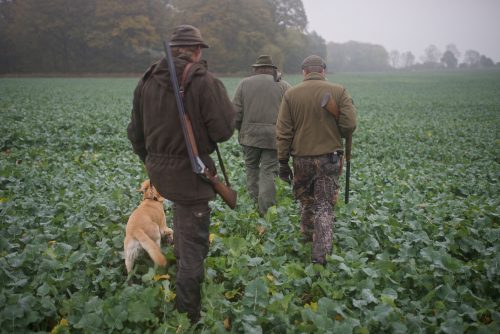
According to environmentalists, the Khmelnytsky Regional Military Administration made this illegal decision in January 2026. It gave permission to shoot "predatory and harmful animals" within the economic zone of the national park. The Kamianets-Podilskyi district organization of the Ukrainian Society of Hunters and Fishermen was appointed to carry out the "cleansing."
“This order is illegal because the regional state administration has no right to issue any permitting documents for the extraction of wild animals on the territory of objects belonging to the national nature reserve fund of nationwide significance. This is the prerogative of the Ministry of Economy and Environment,” Kyiv Ecological and Cultural Center (KECC) states.
The Kyiv Ecological and Cultural Center, together with the Association of Animal Protection Organizations of Ukraine, therefore filed a lawsuit against the actions of the Regional Administration.
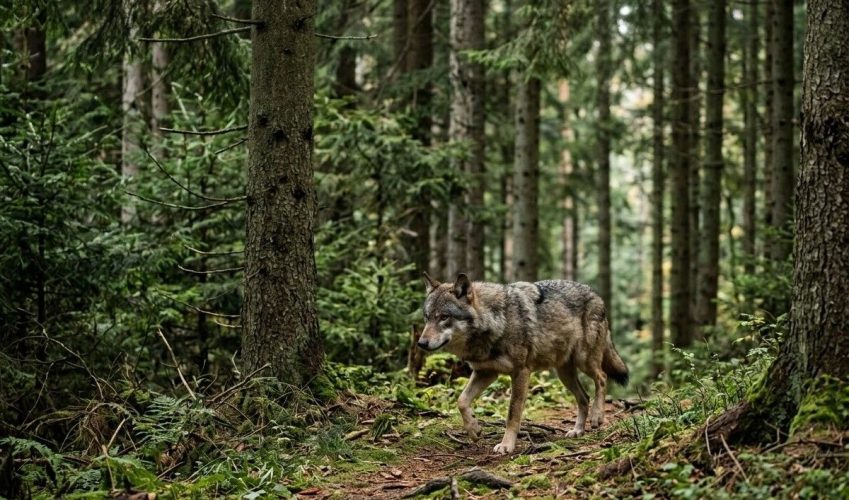
Environmental activists are confident that this permit poses a direct threat to wolves, foxes, and coyotes. The territory of the national park should be a safe haven for wild animals and must remain protected. Therefore, the decision of the Khmelnytsky Regional Military Administration completely undermines the conservation principle of the national park.
The KECC emphasizes that the arbitrariness of hunters, justified as “pest control,” has already led to the disappearance of 20% of wild animals. As an example, eco-activists cite the fate of the thylacine from Australia and the Turanian tiger from Asia.
Hunting is one of the main reasons for the disappearance of wild animals in Ukraine and for their inclusion in the lists of rare and endangered species. In particular, it concerns the shrinking populations of European bison, moose, and brown bears.
EcoPolitic previously reported that new animal welfare rules have come into effect in Ukraine. In particular, the Law “On Veterinary Medicine and Animal Welfare” sets higher standards for the keeping, transportation, and handling of animals.