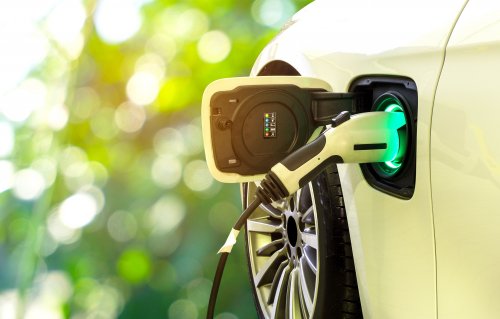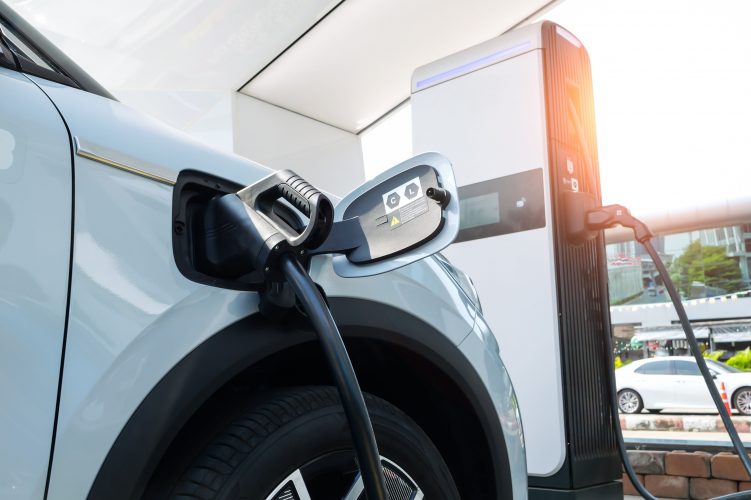
In the first four months of 2026, residents of the European Union purchased around 750,000 electric vehicles. Their share of sales is growing month on month. This is driven by a desire to save on fuel, the cost of which has soared against the backdrop of the war in Iran.
However, the European Commission adds that instability in the fossil fuel market is merely a temporary factor. In reality, the transition to clean transport is a response to the EU’s consistent climate policy.
Record sales against a backdrop of record oil prices
In April 2026, 20.6 per cent of new cars purchased in the EU were fully electric. These figures are provided by the European Automobile Manufacturers’ Association (ACEA). By way of comparison, in April 2025 this share stood at 15.7%, and for 2025 as a whole – just 17.4%.
The European Commission emphasises that this represents a staggering trend in the long term. Compared with 2019, the share of electric cars in the new car segment has increased tenfold.
In total, around 750,000 new electric cars were sold in the EU between January and April. This is attributed, in particular, to the expansion of the range and the availability of certain models.
Savings at every level
The transition to electric vehicles saves money for transport owners and for the European Union as a whole.
With fuel prices rising, electric car drivers are saving 35% more than in 2025. Meanwhile, EU oil demand has dropped by 140,000 barrels per day. Annually, this will help save €4.5 billion on fossil fuel imports.
China does not dominate
Concerns about an increased share of Chinese automobiles proved unfounded. In total sales, the share of electric vehicles from China and related brands was only 20% in 2025.
At the same time, the majority of electric vehicles purchased in the EU were produced within the European Union itself.
Global trend
Electric vehicle sales are rising worldwide. In 2025, they grew by 26%, exceeding 13 million units. In other words, 16% of all cars sold globally were electric.
Norway has emerged as the undisputed leader in transport electrification, with 95% of new vehicles being electric. In the United Kingdom, this figure was 23% in 2025.
In China, the share of electric vehicles among new cars rose from 27% to 33% over the year; in Turkey, from 10% to 14%; and in Vietnam, from 24% to 37%.
In contrast, electric vehicle sales in Ukraine are gradually declining. In May 2026, they were 12% lower than in April.
EcoPolitic explained that the drop in the market at the start of the year is related to the authorities once again making VAT payment mandatory during customs clearance of vehicles. For January, sales dynamics were fourteen times lower than in December 2025.