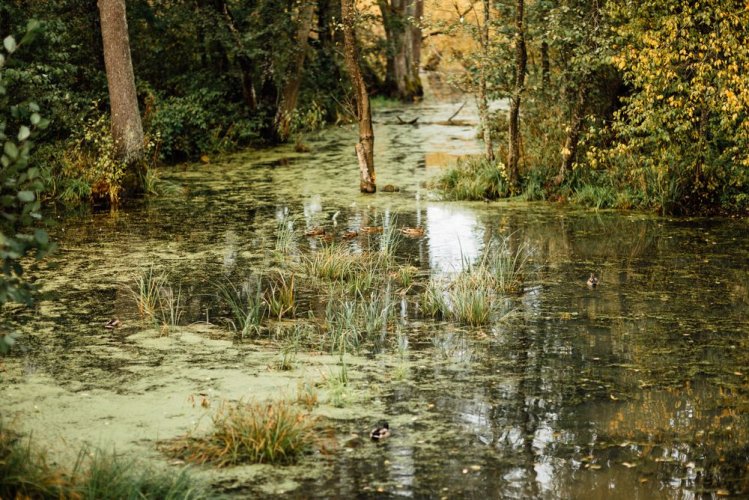
World Wetlands Day has been celebrated on February 2 since 1997. This date was not chosen at random. Back in 1971, the Ramsar Convention was signed on this day, which was intended to unite the world around the need to preserve unique ecosystems.
A total of 169 countries have already acceded to the convention. They grant "Ramsar site" status to wetland systems on their territory and are required to ensure their protection and rational use.
In January 2026, the United Nations declared that the world had entered an era of total water bankruptcy — water scarcity is already a daily problem for more than half of the Earth's population. One of the factors contributing to the global crisis is the loss of wetlands – in 50 years, their area on the planet has shrunk by more than 400 million hectares, which is close to the total area of the European Union.
The value of wetlands and peatlands
These are not just flooded areas where it is difficult to conduct economic activity. They are a unique element of a fragile natural system, on the preservation of which the survival of individual species, the water resources of entire regions, and the planet's climate depend.
- Biodiversity Conservation. Wetlands and peatlands are home to hundreds of plant and animal species that cannot survive outside these habitats.
- Natural Water Regulator. Such areas act as “reservoirs,” supporting the balance of water bodies and regulating groundwater levels. During snowmelt and floods, they absorb water like a sponge. When dry spells occur, wetlands and peatlands gradually release this water, thereby preventing widespread drought.
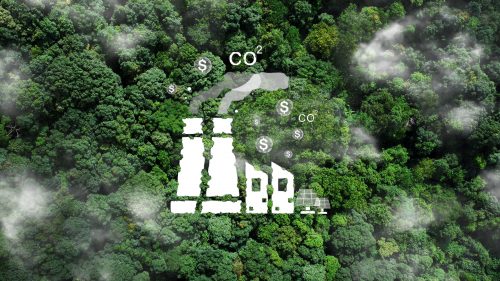
- Greenhouse Gas Filter. Wetlands and peatlands are extremely efficient at sequestering carbon. Just 1 hectare of such territory can “lock away” over half a million tonnes of CO₂.
Wetlands and Ukraine
Ukrainian wetlands and peatlands of international importance cover an area of approximately 930,000 hectares. They are mainly located within the forest zone, with fewer in the forest-steppe zone and almost none in the mountainous regions and steppes.
However, the situation with them is ambiguous—some are under state protection, some have been drained for agriculture, and some have an undefined status.
The Ministry of Economy and Environment has announced that it is working on a resolution to protect wetlands from disappearance or degradation. They plan to inventory them and limit their range of uses to nature reserve, water, forestry, or health status.