The European program "REPowerEU" will help get rid of excessive dependence on fossil fuels from Russia well before 2030.
Providing businesses and households with affordable, safe and clean energy requires decisive action, in particular to immediately reduce prices and provide gas for next winter, reports European Commission.
Europe has been grappling with high and volatile energy prices in recent months, with Russian military aggression and supply security concerns exacerbating the situation.
"The evidence for a fast transition to clean energy under the European Green Deal has never been stronger or clearer," the article says.
The EU has prepared urgent measures to regulate prices, including:
- supporting retail energy prices by confirming the possibility of price regulation to protect consumers and the economy;
- recommendations for temporary windfall tax measures and the use of emissions trading revenues so that governments can relieve pressure on household consumers;
- public assistance measures: consultations with Member States on the potential time frame for providing assistance to companies facing high energy costs;
- market actions evaluating options for improving the structure of the electricity market.
To provide Europe with gas for next winter, a target of 90% filling of gas storage facilities by October 1 is set, and incentives are also provided for their replenishment. Gas storage facilities are designated as critical infrastructure.
The EU will support coordinated gas refueling operations, for example through joint procurement, order collection and related deliveries.
The investigation into the actions of operators, including Gazprom, is also ongoing.
REPowerEU will also provide:
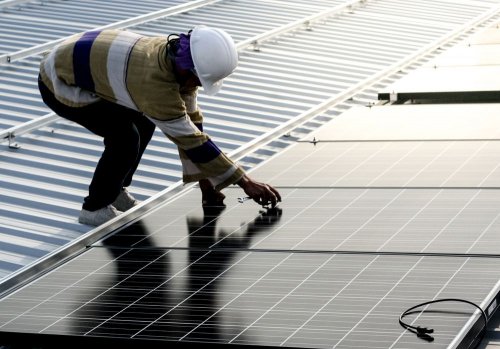
- installing more solar panels on rooftops and heat pumps, and saving energy to reduce dependence on fossil fuels to make buildings more energy efficient;
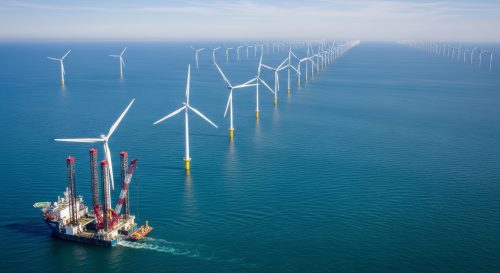
- accelerating the use of renewable energy to minimize the time to implement renewable energy projects and improve network infrastructure;
- decarbonizing industry by accelerating the transition to electrification and renewable hydrogen and expanding low-carbon manufacturing capabilities;
- diversifying gas supplies and working with international partners to move away from Russian gas and invest in the necessary infrastructure;
- double the EU ambition to produce biomethane to 35 billion m3 per year by 2030, in particular from agricultural waste and residues;
- accelerating the development of hydrogen infrastructure, storage facilities and ports.
Recall EU confirmed deliveries 20 million tons of hydrogen by 2030.
As EcoPolitica reported earlier, the EU will introduce carbon contracts for change from gray to green hydrogen.