Each ton of paper and cardboard recycled saves an average of 17 trees, 60,000 gallons of water, 225 kWh of electricity and 2.5 cubic meters of landfill space.
This is reported on Facebook Ecological enterprise Rada.
"Paper products play a large role in most aspects of our lives – from books and magazines to cardboard boxes and bills. And paper is one of the few materials that is most easily and often reused. Recycling paper has numerous benefits for the environment. If you recycle paper products and cardboard, each recycled ton saves an average of 17 trees, 60,000 gallons of water, 225 kWh of electricity and 2.5 cubic meters of landfill space," the message said.
It is noted that among all types of municipal solid waste, paper has one of the highest levels of recycling.
Two types of paper predominate in secondary use statistics. Among all types of paper, newsprint and cardboard boxes have a recycling rate of more than 70%.
"Reusing materials requires less energy than primary use. For example, recycling paper from waste requires less energy than producing paper from a new forest area, because it is no longer necessary to cut down trees, make lumber from them, and turn it into paper. Thus energy saving is 65%," experts explain.
It is worth noting that the production of recycled paper uses 80% less water, and air pollution is as much as 95% less than in the production of primary paper.
"It's a good reason to think again about the paper thrown into the trash," the company added.
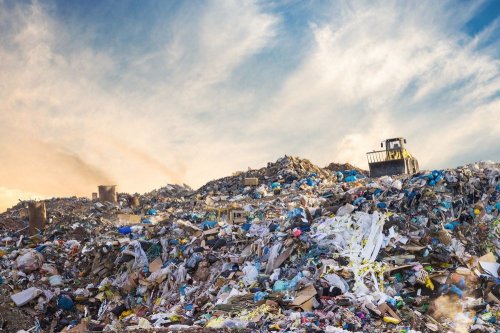
As EcoPolitic reported earlier, every year Ukrainians throw away about 11 million tons of garbage, only 3-6% of which is sent for recycling. For comparison, more than 60% of garbage is processed annually in Germany, more than 50% in Scandinavian countries, and more than 40% in France.