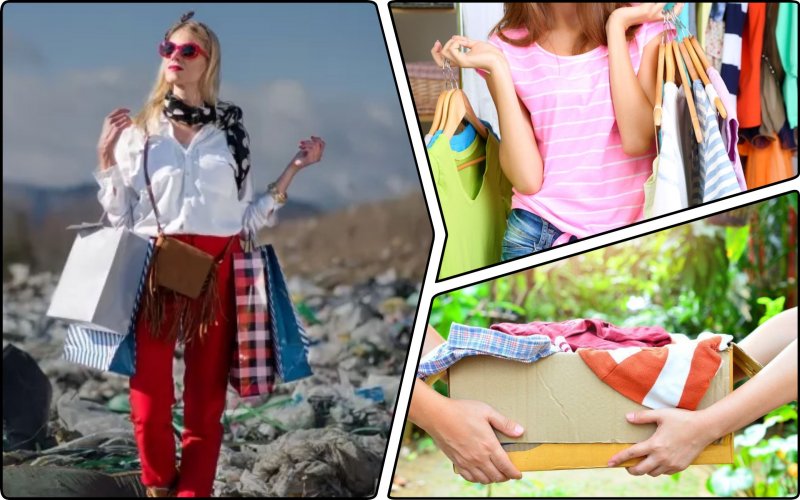
Ukrainians were urged not to throw away unnecessary clothes and to give them a new life, in particular through recycling, upcycling and free-cycling.
These principles are the basis of conscious consumption and the circular economy, and also embody the principles of Reduce-Reuse-Recycle, reports the environmental enterprise "Rada" on Facebook.
The message emphasized that unnecessary clothes can be refitted, modernized, or simply given as a gift to someone else who will be able to use them for a long time.
- Freecycling – exchange of unnecessary things;
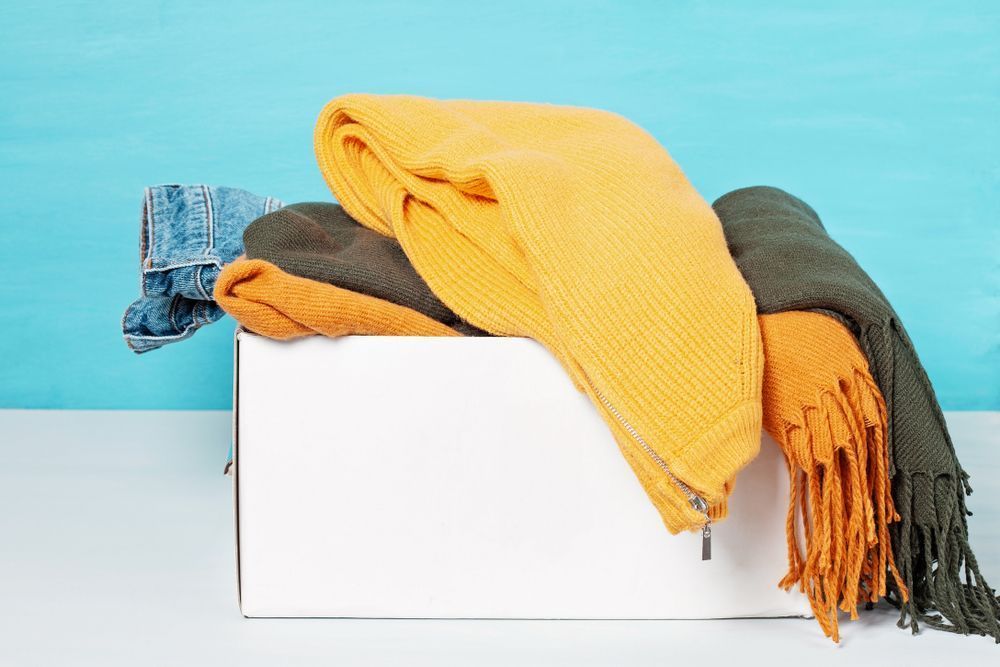
It is noted that unnecessary clothes can be given to charity. For example, in Kyiv it can be attributed to:
- charity shop "Laska";
- boxes of the "Basket of Good" organization;
- banks of things at the Red Cross Society;
- Centers of the "Caritas" charity fund and their containers at gas stations.
The message emphasized that there are many volunteer organizations working in Ukraine that help displaced people and military personnel. Sometimes, in addition to monetary assistance, they also need clothes. In addition, clothes can be given to social institutions, orphanages, churches.
The authors emphasized that textile waste, such as fabric scraps, rags, damaged clothes, can be given to animal shelters by prior agreement. This waste can also be sent for disposal.
- Upcycling – creative processing;
"Upcycling became the word of the year 2019 according to the version of the Cambridge dictionary. This is the production of new things from old or recycled materials," the authors of the report said.
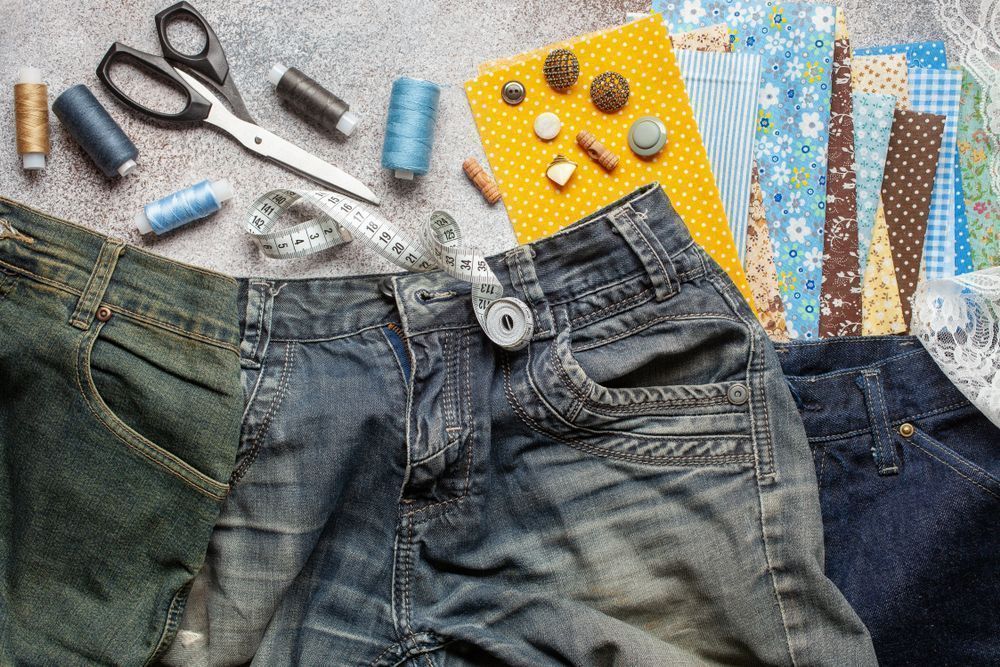
They added that upcycling is a fashionable environmental trend, which today is respected by famous clothing brands and needlewomen all over the world. It involves a creative approach with partial preservation of the original thing, but its processing.
- Recycling – processing.
It is noted that recycling involves the complete processing of a product for the production of a similar product from its raw materials. After all, the philosophy of consumerism and "fast fashion" lead to excessive accumulation of future textile waste in the wardrobe, and then on the planet. Recycling and reuse are opposed to irrational consumption.
Earlier, EcoPolitic wrote, that Kharkiv eco-activists handed over things collected as part of the re-use campaign to displaced persons and vulnerable residents of the Zmiiv community.
As EcoPolitics previously reported, 15 million units of secondhand clothes are brought to the Kantamanto market in Africa every week, which were given for recycling or charity in America, Europe or China. However, approximately 40% of imported clothing goes to landfill.