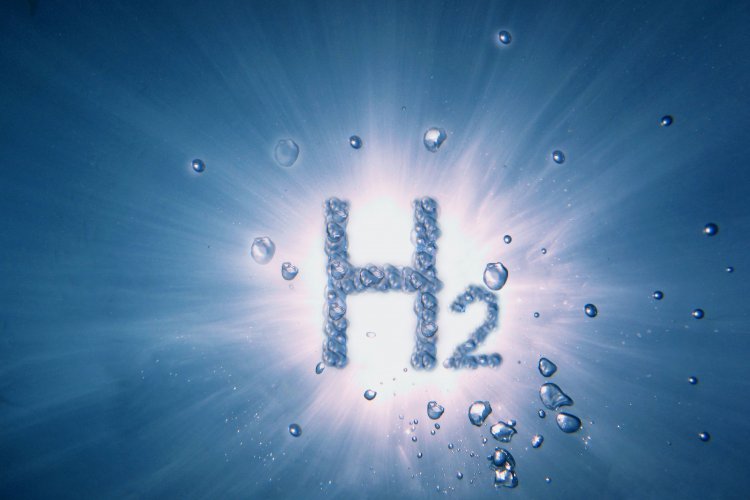
Specialists have compiled a guide on the quality, quantity, purity and types of water, which is necessary for the production of green hydrogen and will not harm the electrolyzer system.
Although ensuring water quality is a relatively small part of the total capital costs of a hydrogen plant, it can be the best investment for an electrolyser system, says Silhorko-Eurowater – Grundfos program development manager Henrik Tekker Madsen on LinkedIn.
Madsen said that the development of the hydrogen market raises key questions about water use:
- how much water is needed;
- what quality is sufficient;
- where the water should come from.
Thus, in the production of green hydrogen, it is necessary to distinguish between three types of water:
- ultrapure water (used as raw material for the electrolyzer);
- cooling water;
- raw water
"The amount of ultrapure water used for electrolysis will differ from the amount of raw water extracted from the environment, and the quality of ultrapure water and cooling water will also differ," he explained.
Madsen emphasized that the composition of ultrapure water is influenced by the type of electrolyzer, the material of the electrode, the design of the system, and even the brand of the electrolyzer. Each of the ions and molecules in the water will have a different effect on the electrolyzer, can reduce its efficiency or irreversibly damage and impair its operation.
"With so many variables and effects, it's not surprising that water treatment is often tailored to a specific project, making it difficult to develop a single water quality standard for all electrolysers," said the expert.
He proposed setting the conductivity requirements low enough to ensure that the concentration levels of the problematic ions and molecules would with absolute certainty be below the requirements of the electrolyser.
Earlier, EcoPolitic wrote, that in Australia, scientists from the University of Melbourne developed the technology production of high-purity hydrogen from air, the minimum humidity of which should reach 4%.
As EcoPolitic previously reported, in Germany, the company for the production of special chemicals Evonik is developing anion-conducting membrane for cheap production of green hydrogen.