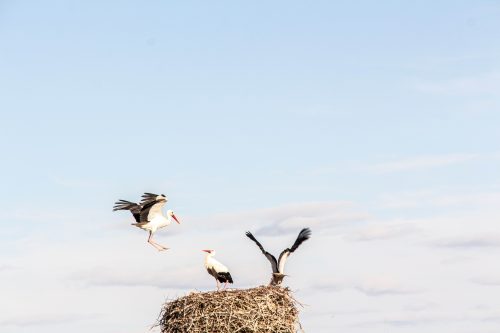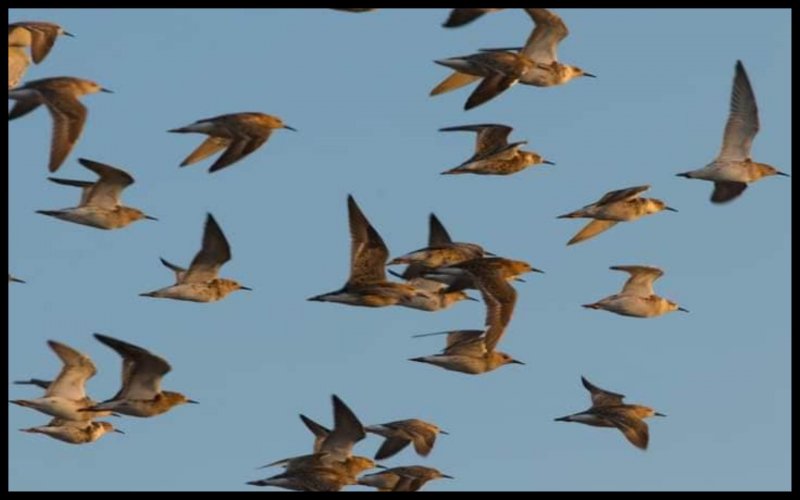
More than 10,000 migrating waders have flown to Odesa in the Tuzlivski Lymani National Natural Park.
Birds stop at protected lakes to feed on moths and molluscs in shallow water, wrote Ivan Rusev, a biologist and ecologist from the national park, on Facebook.
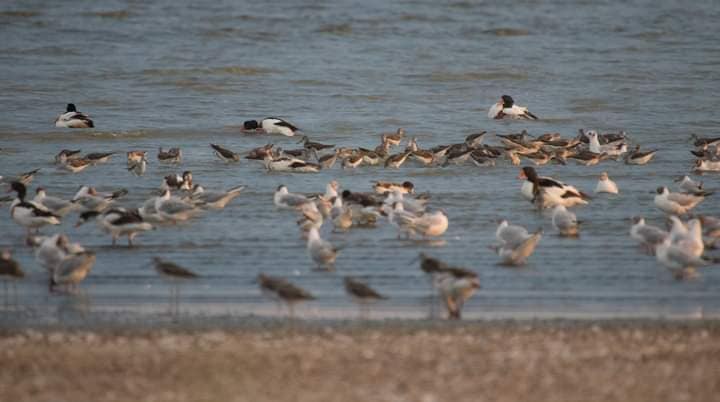
He explained that the birds fly to nest in the Tundra. About a million birds transit through the national park, needing shallow waters to forage and rest. Tuzlivski Lymani belong to Ramsar wetlands with international status.

Rusev said that in addition to hundreds of tons of moths, i.e. mosquito larvae, waders feed on mollusks and other aquatic invertebrates from the loose soil of estuaries. The beak of each species is adapted to hunting specific animals at a specific depth of the soil.
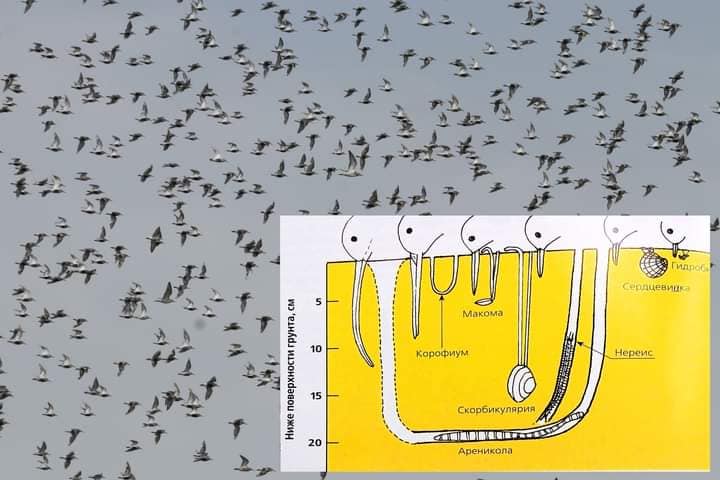
"If there is no water and the soil dries out, food for many waders becomes practically unavailable, the main part of which simply dies from lack of water," the biologist explained.
Earlier, EcoPolitic wrote, that a flock of 210 flamingos was spotted in Odesa region in the national natural park Tuzlivski lymani.
As EcoPolitic previously reported, about 12,000 ducks, including grebes, broad-nosed ducks, little, mallards, and grebes, "stopped" in the water area of the Maly Sasyk estuary in the Tuzlivski lymany national park in Odesa.