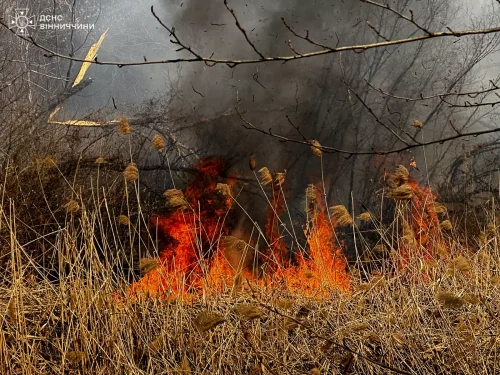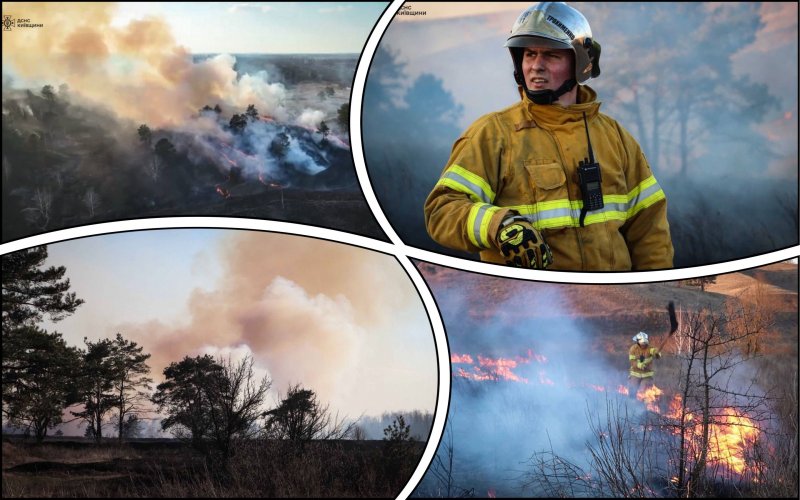
Over the weekend of March 10-11, grass burners destroyed 67 hectares of ecosystems in Kyiv region.
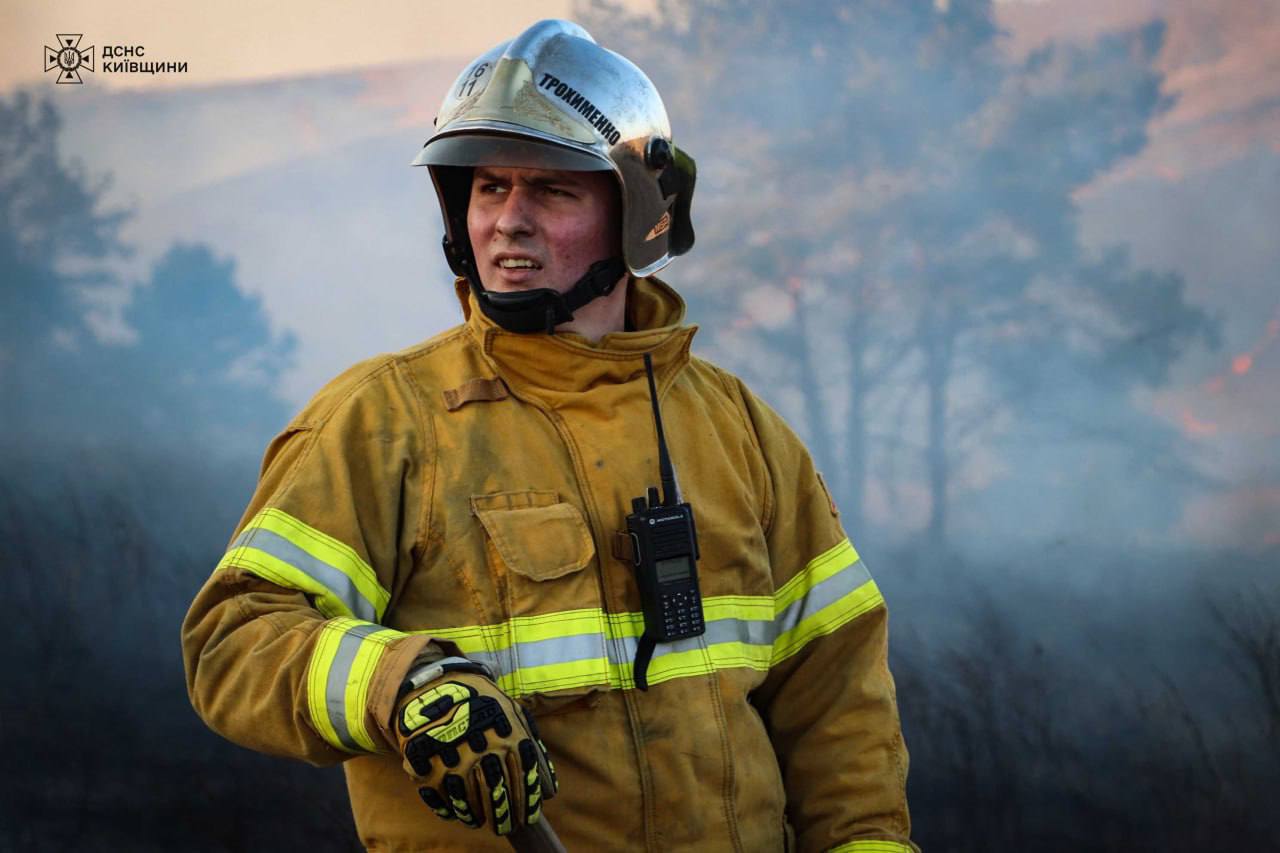
During this time, rescuers extinguished 136 fire sites, the State Emergency Service of Ukraine in Kyiv Oblast reports on Telegram.
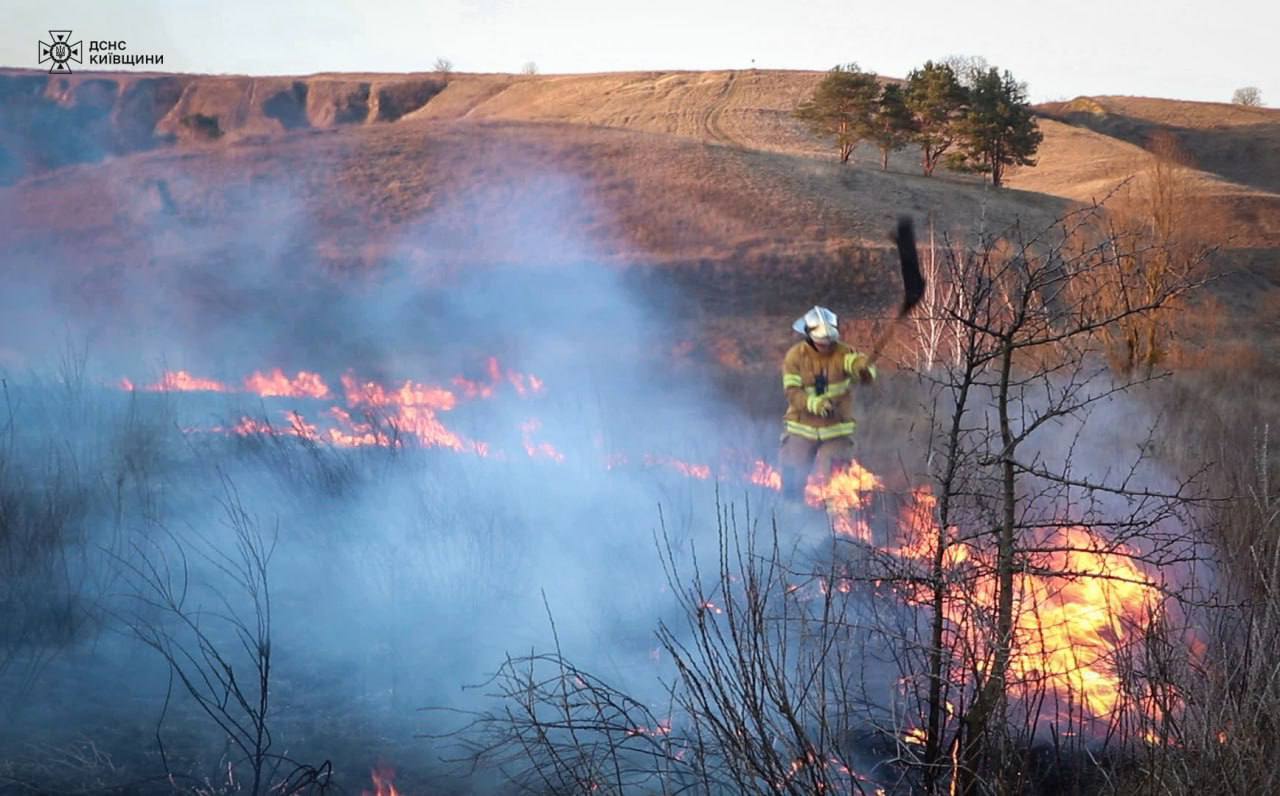
It is noted that the largest fire, which covered 2.9 hectares of grass, occurred outside the village of Velyka Bugayivka on March 10. Firefighters were notified of the fire at 12:38 p.m. The fire was extinguished by 21:40 by 13 employees of the State Emergency Service with the help of 4 units of equipment.
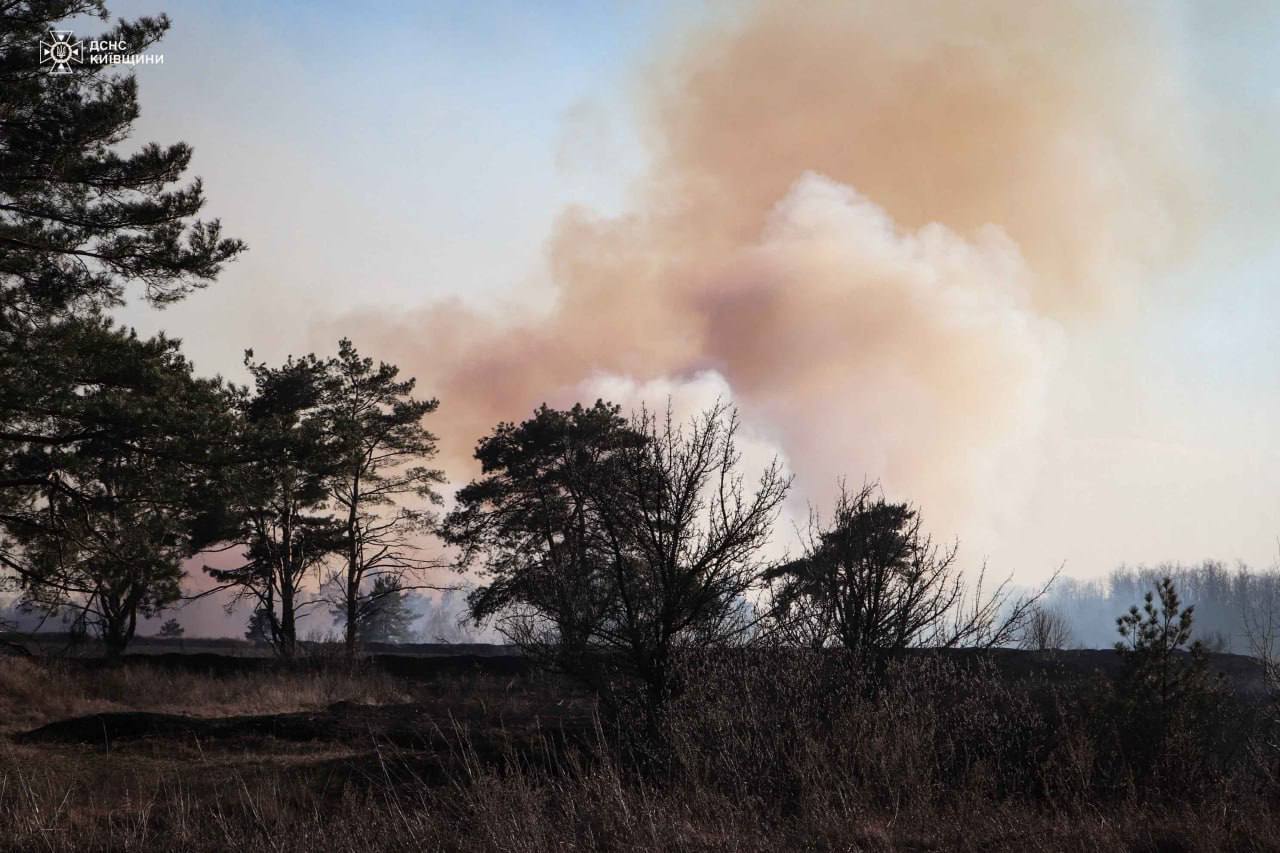
As you know, during dry firing hazardous substances for living beings are emitted, including carbon monoxide, soot, nitrogen oxide, benzopyrene and dioxins. Smoke from such fires can cause bronchial spasms, allergies, cough, dizziness.
In addition, such bonfires can cause large-scale fires that kill animals and beneficial soil microorganisms.
Burning of leaves and dry matter is prohibited in Ukraine and violators face fines:
- for citizens – from UAH 3,060 to UAH 6,120;
- for officials – from UAH 15,300 to UAH 21,420.
In addition, since March 2022 in Ukraine, dry burning is considered sabotage and a criminal offense punishable by imprisonment for a term of 10 to 15 years with confiscation of property.
Earlier, EcoPolitic wrote, that the fire in Kyiv's Osokorky Ecopark that occurred on the evening of March 5 destroyed 7% of the natural floodplain vegetation in the wet meadows of the Osokorkivski Luki local nature reserve. The area of burned vegetation in four fire centers reached 10.4 hectares.
As EcoPolitics previously reported, rescuers in the Lviv region eliminated 10 dry grass fires on February 22.