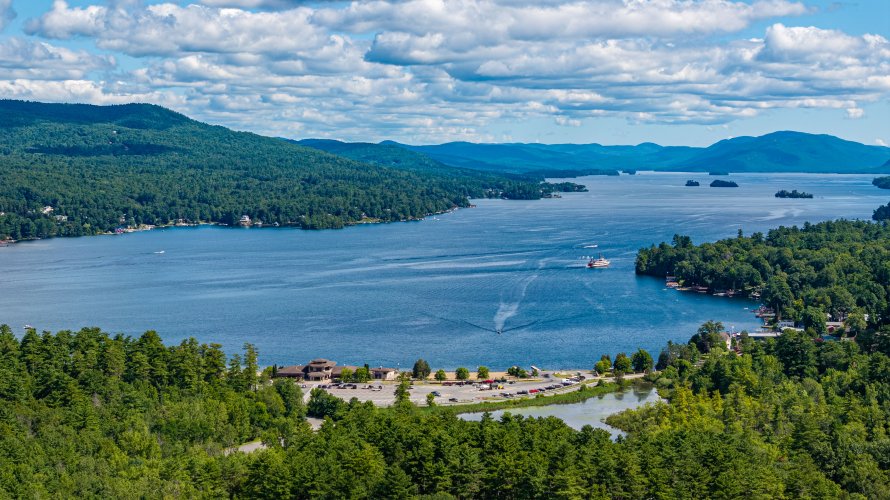
Researchers have detected chemical contamination in most surface water bodies across Europe. The results provide a realistic picture of the state of the environment.
This was reported in a European Commission report, according to the INDEPENDENT publication.
Experts indicate that only 39.5% of surface waters, including rivers and lakes, have achieved satisfactory water quality. The chemical condition of water bodies is also disappointing, as just 27% meet the necessary standards.
Specialists suggest that these results are caused by droughts and climate change. The European Commission report notes a partial improvement in aquatic plant conditions in lakes, but this does not resolve the overall critical situation.
In contrast, the situation is better with Europe's groundwater bodies, as 86% of them show no chemical contamination. However, according to researchers, European agriculture uses nitrates and thereby pollutes groundwater.
“The water situation in the EU is poor. We have taken water for granted for so long. And I believe the time has come to change that mindset.” – stated European Commissioner for the Environment Jessica Roswall.
Addressing this issue will be a political challenge, as it requires tackling the impact of agriculture on water supply due to irrigation and chemical contamination of soil from substances leached from fields.
Farmers in Europe have repeatedly demonstrated their influence by staging protests, sometimes violent, against chemical regulations, which has led the European Union to limit the scope of certain rules.
The Commission has stated that more radical measures are required to combat nitrates, but adopting them may prove difficult.
It is expected that European countries will not be able to address issues with water bodies by 2027, but their inaction could result in legal action. The European Commission has accused the Netherlands of nitrogen pollution of water bodies, which has led to their case being taken to court.
Next year the EU may allocate more funds from its budget for water body remediation, although these needs will be in competition with the EU’s efforts to boost defense and industrial spending.
Earlier, EcoPolitica reported that in Zaporizhzhia, an excavator is cleaning the Mokra Moskovka river of oil pollution, but it has not been possible to completely stop the contaminated spot from spreading downstream.