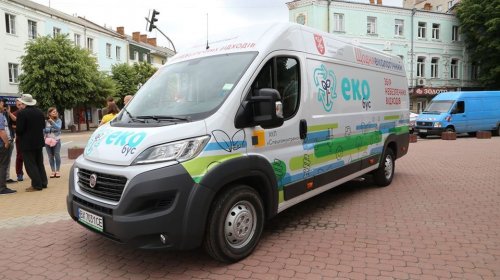
The eco-bus continues to collect mercury thermometers, batteries, and other types of waste hazardous to the environment. Similar local initiatives are underway in Lviv, Khmelnytskyi, and Poltava.
EcoPolitic explains where and when residents can find the mobile waste collection point in April.
Lviv and the community
In the Lviv city community, batteries, as well as mercury thermometers and fluorescent lamps, will be accepted for recycling as usual.
The Bodnarivka State Enterprise reminds residents that such hazardous waste must be handed over only in undamaged condition.
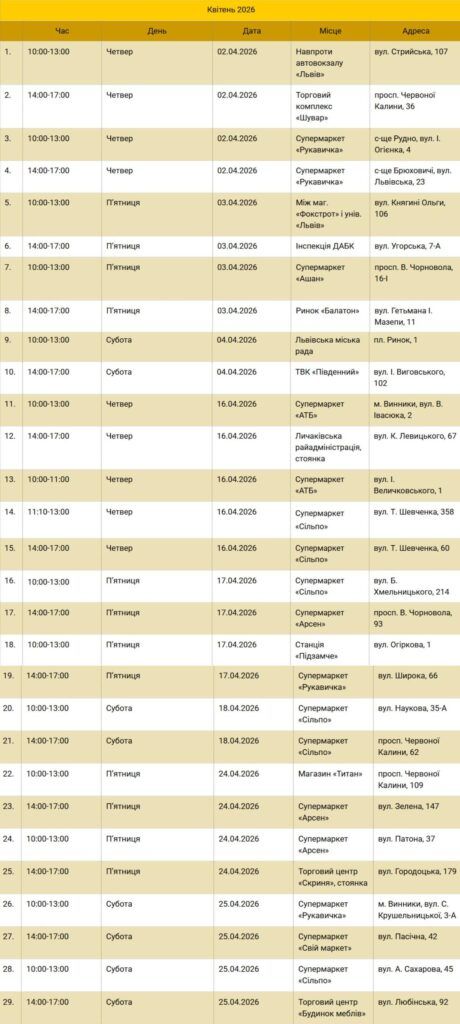
Source: SE "Bodnarivka"
Poltava
In Poltava, the ecobus accepts only waste that requires special disposal. This refers to batteries, mercury thermometers, fluorescent lamps, and mobile phone batteries.
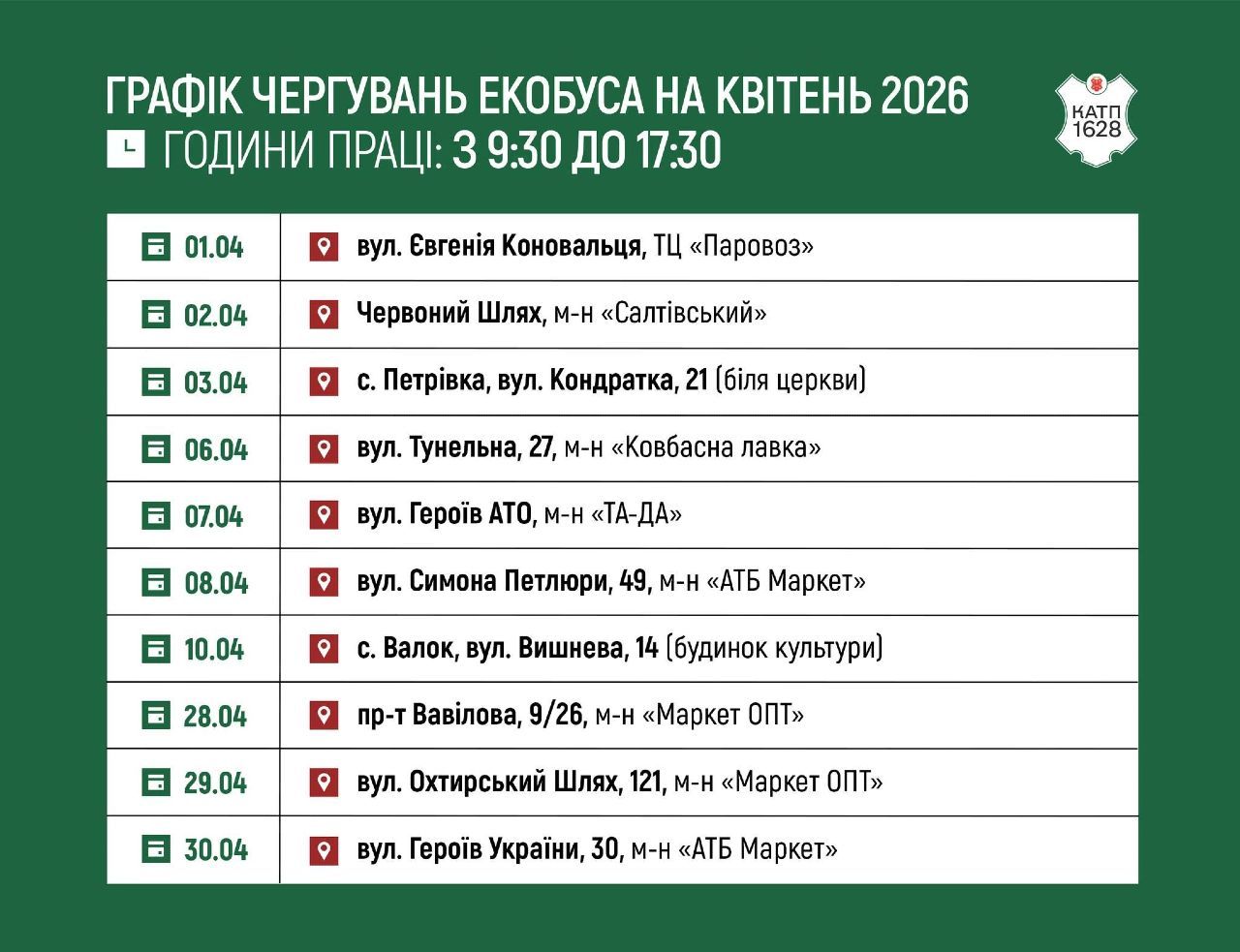
Source: Poltava City Council
Khmelnytskyi
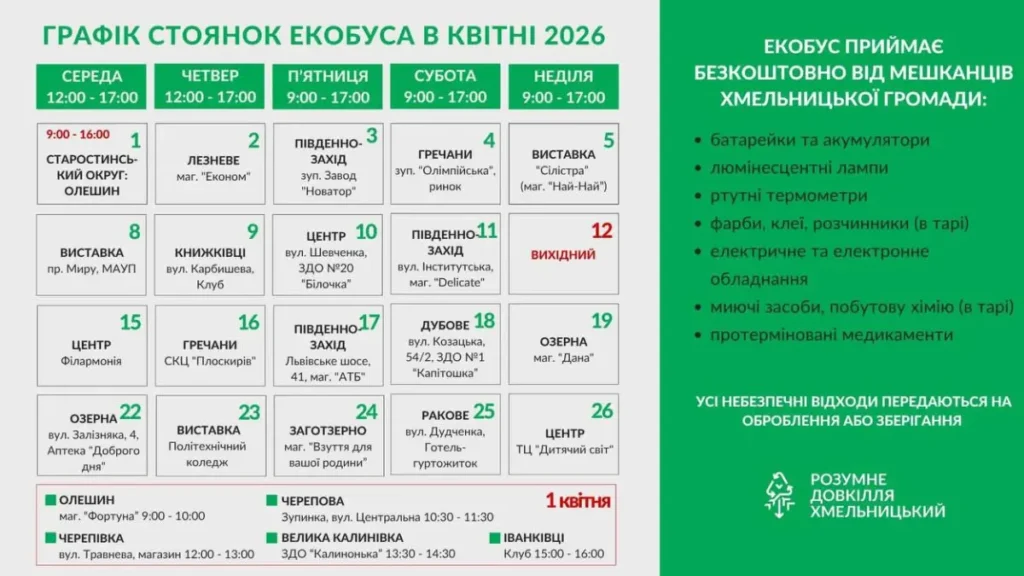
During April, the schedule of ecobus stops in Khmelnytskyi has undergone some changes. The office “Smart Environment. Khmelnytskyi” draws residents’ attention to the following:
- new locations have been added in five villages belonging to the starostyn district centered in the village of Oleshyn;
- April 12 will be a day off for the Ecobus;
- the Ecobus stop on Y. Halchevskyi St., Shopping Center “55th Store,” is canceled. Instead, residents can bring waste to the Waste Management Center (at the intersection of Chornovola and Pilotska streets), which is within walking distance.
You can bring the following to the mobile collection point:
- used batteries and accumulators;
- fluorescent lamps;
- thermometers and other products containing mercury;
- varnishes, paints, and solvents packed in their original containers;
- electronic and electrical equipment;
- household chemicals, including detergents (must be in containers);
- expired medicines.
-

Source: "Smart Environment. Khmelnytskyi"
EcoPolitic previously reported that in the European Union, only 48% of household waste generated by the population is recycled.
In Ukraine, in order to reduce the amount of food waste and help vulnerable citizens, plans are being made to create food banks.