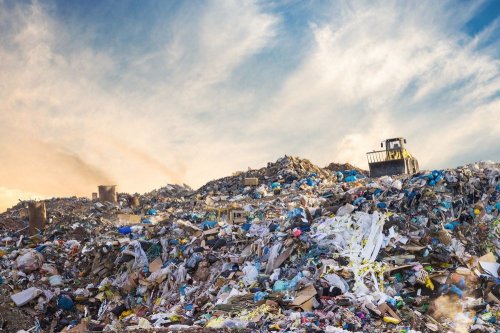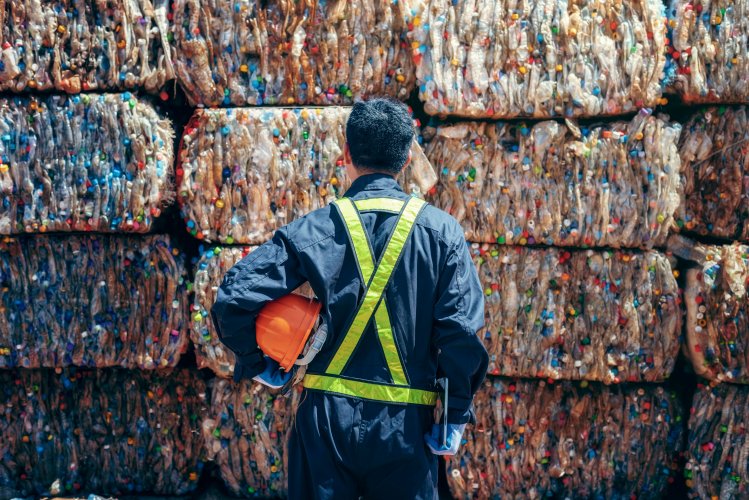
More than 30% of new materials in the Netherlands are recycled products. The EU average is 12%

More than 30% of new materials in the Netherlands are recycled products. The EU average is 12% Shutterstock

Maria Semenova

The country with the lowest circularity rate is Romania, with a coefficient of 1.3%

The European Union aims to have recycled materials account for 23.2% of new materials by 2030. Current trends show that this will not be easy to achieve, as the circularity rate for 2024 was only 12.2%.

According to the latest Eurostat data, this figure has increased by only 0.1% compared to 2023.

Leaders and laggards

European countries are quite heterogeneous in terms of their material circularity rate. The Netherlands has the highest rate at 32.7%. Belgium (22.7%) and Italy (21.6%) are also in the top three.

However, at the very bottom of the ranking is Romania, which reuses only 1.3% of recycled materials in new materials. The situation is not much better in Ireland and Finland, where the circularity rate is only 2%.

Lack of steady progress

Most countries show a steady increase in their circularity rate. For example, since 2015, it has grown by 9.1% in Estonia and by as much as 14% in Malta.

But some countries have regressed. Over the same period, Finland lost 3.2% and Poland lost 4.2%.

Which materials are recycled most actively:

  • metal ores (23.4%);
  • non-metallic minerals (14.3%);
  • biomass (9.9%);
  • fossil energy materials (3.8%).

Earlier, EcoPolitic reported that European recycling policy has also influenced automakers. In new vehicles, the share of recycled plastic must be at least 20%.

Due to competition with China, plastic recycling plants are closing en masse in the EU.

Related
The EUDR "forest" regulation has been postponed for a year. What does this mean for Ukraine?

The implementation of the requirements of the regulation on logging for large operators was to start on December 30, 2025

Plus 42 days of summer: scientists predict an increase in the heatwave period in Europe

Europe is warming faster than anywhere else in the world. By the end of the century, summer here will last up to eight months

European Commission report on Ukraine: positives and shortcomings of environmental legislation

Ukraine received its highest score in the European Commission's report, along with a set of recommendations on harmonizing national legislation with European standards

The European Commission has changed its mind again: EU Deforestation Regulation to enter into force on December 30

Companies that cannot comply with all EUDR requirements at once will receive a 6-month grace period