Residents of Poltava have been unable to recycle plastic for weeks: all the details

Residents of Poltava have been unable to recycle plastic for weeks: all the details shutterstock
Katerina Belousova

Utilities plan to purchase 600 containers for sorting, but the required number is 1,000

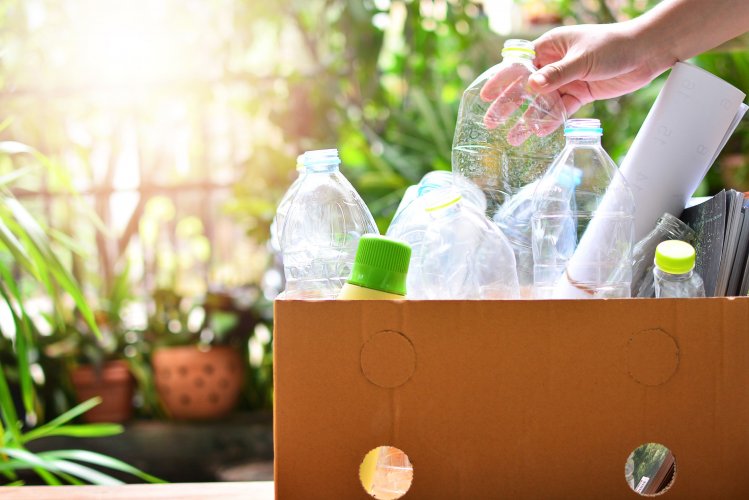
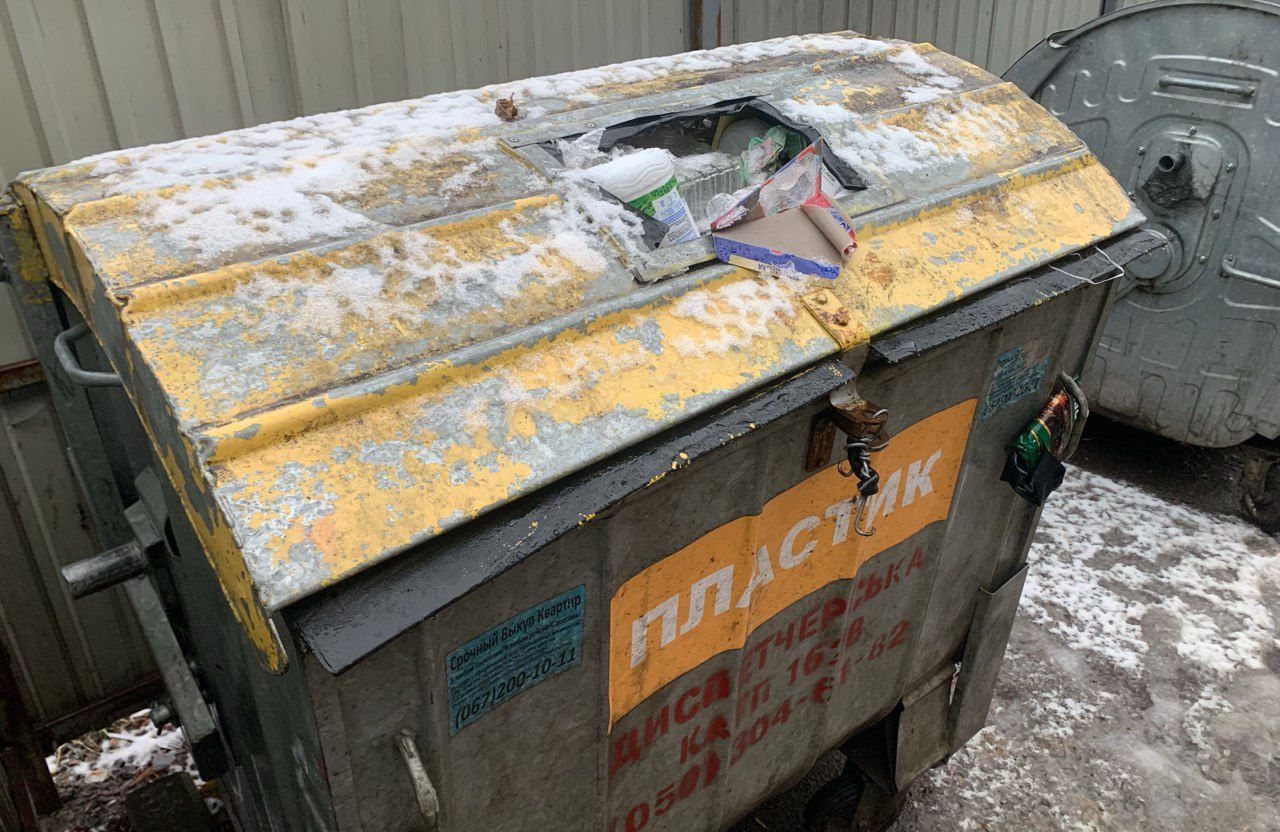
Residents of Poltava are complaining en masse about the lack of sufficient containers for sorting plastic, as well as their systematic overcrowding.

Some Poltava residents cannot recycle plastic for two weeks, Poltavshchyna reports.

Oleksandr Maksymenko, head of the municipal motor transport enterprise 1628 (KATP-1628), explained that this situation has arisen because there are not enough containers. After all, the population in Poltava has increased and the volume of garbage has increased accordingly – by 30% more than was planned according to the accumulation rate.
poltava.to

Poltava.to

He emphasized that the garbage is collected on schedule, but the containers are filling up very quickly due to the increase in population. To solve this problem, utilities plan to purchase 600 sorting containers, but the required number is 1000.

It is noted that Poltava plans to spend 4.8 million hryvnias to buy 600 new or used plastic containers.

Earlier, EcoPolitic wrote, that in Poltava, at the sorting center of the Avrora Multimarket store chain Avrora Green, residents can return 23 types of raw materials for processing or safe disposal.

As EcoPolitic previously reported, the residents of Dnipro complain about the difficult situation with garbage collection and massive spontaneous landfills. 
Related
Where to dispose of hazardous household waste in Lviv, Poltava and Khmelnytskyi: the eco-bus timetable

The list of waste accepted for recycling by the eco-bus varies from city to city

Millions of tonnes of food go to waste: how much food does the average EU resident throw away?

Most food waste is generated in households – it is thrown away by residents themselves, rather than by restaurants or supermarkets

The Government has approved the Circular Economy Development Strategy up to 2035

The document covers measures ranging from the production of biomethane to the introduction of end-of-life collection schemes for plastics, clothing and batteries

Hundreds of tonnes of rubbish in Uman: how the city is cleaned up during the Hasidic pilgrimage

The final clean-up will be completed in one and a half to two weeks