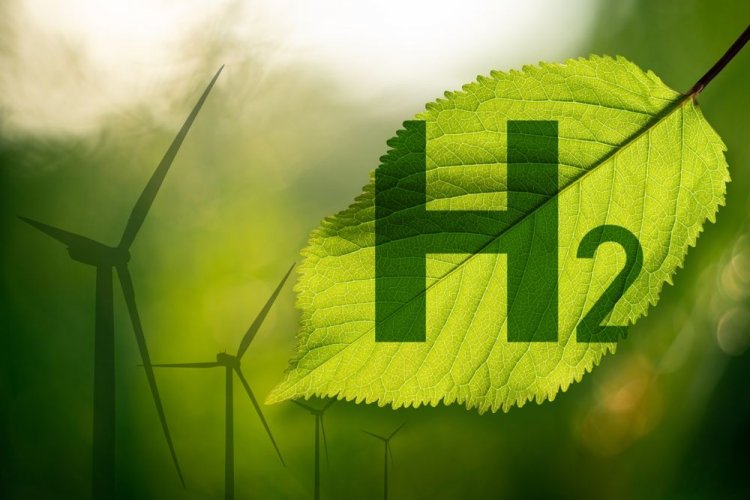
Italy plans to provide state support for the production of renewable hydrogen. The funding amounts to €6 billion, and the state aid scheme has already been approved by the European Commission.
According to the European Commission, the initiative focuses on hydrogen for industry and the transportation sector.
Aid model
State support will apply to hydrogen produced in the following ways:
- by electrolysis using clean energy from renewable sources;
- produced from biogenic sources through biological, biothermochemical, and thermochemical processes.
In this way, Italy expects to support the annual production of 200,000 t of “green” hydrogen. The program will operate until December 31, 2029.
The state aid will follow a two-sided contract for difference scheme. The strike price will be determined through competitive bidding. Producers will receive, as compensation, the difference between the strike price and the price of alternative fuel that hydrogen consumers could otherwise use. This applies only in cases where the latter is lower than the auctioned figure. If it is higher, the beneficiary will have to pay the difference.
Program justification
The European Commission has assessed the Italian initiative in accordance with EU state aid rules, which allow governments to support specific economic sectors under certain conditions.
The EU agreed that support for the hydrogen sector would help reduce carbon emissions in transport and industry. At the same time, the program may stimulate producers, since without government support they would be unlikely to switch to “green” hydrogen production.
The European Commission also argues that the positive environmental impact will outweigh any potential negative impacts on competition.
EcoPolitic previously reported that the European Union is allocating another €2.7 billion for industrial decarbonization projects.
In Denmark, farmers will be able to receive state support if they cease cultivating their land and allow it to return to its natural state.