A program to reduce the cost of loans for energy efficiency measures has been launched in Ukraine. It is now possible to carry out energy modernization or switch to renewable energy with a loan, the interest rate on which is partially compensated by the state.
According to the State Agency for Energy Efficiency and Energy Saving of Ukraine, legal entities, sole proprietors, and state-owned or municipal enterprises will be able to take advantage of the program.
The first loan has already been issued
The State Agency for Energy Efficiency launched the program in partnership with UGB Ukrgasbank. It is being implemented within the framework of the State Fund for Decarbonization and Energy Efficiency Transformation.
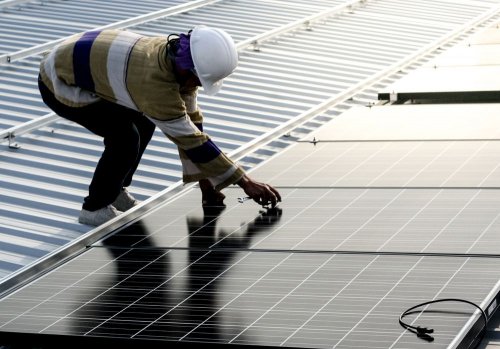
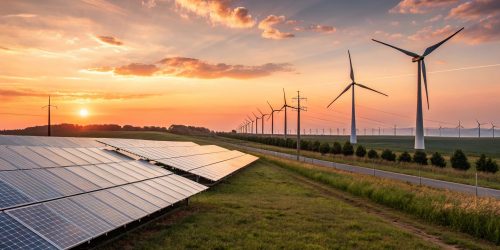
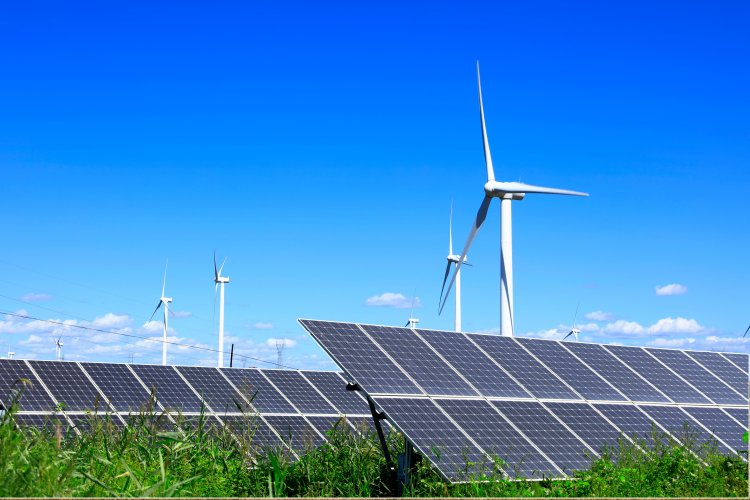
The first participant in the program was a project to build a solar power plant with a generation capacity of 12 MW. It is expected to reduce carbon emissions by 4,000 tons annually, while producing more than 9,900 MWh of "green" energy.
Two more projects are in the pipeline. Their total annual generation will be 22 MW, and the decarbonization effect will be about 9,000 tons.
Program conditions
Loans can be obtained to improve the energy efficiency of production, modernize heat generation equipment or water supply networks, and install renewable energy sources. The program can also be used to implement energy service projects.
The amount of financing directly depends on the borrower's category. The maximum loan amount is as follows:
- individual entrepreneurs – UAH 5 million;
- businesses – UAH 60 million;
- enterprises operating in the field of heat or water supply – UAH 90 million.
The loan term is up to ten years with an interest rate of up to 21% per annum. The state compensates 12% of the interest rate for general projects and 14% for projects using equipment manufactured in Ukraine.
Project selection criteria
The State Agency for Energy Efficiency has announced a list of requirements for projects:
- energy efficiency. The project must reduce carbon emissions and energy intensity by at least 15%;
- alternative energy. At least half of the energy resources must be obtained from renewable energy sources, reducing emissions by at least 20%;
- the energy efficiency class must be above the minimum.
- Domestically produced equipment. When used, the share must be over 70%.
- In public transport, at least 20% of fuel must be replaced by electricity.
Earlier, EcoPolitic reported that the Decarbonization Fund had begun co-financing energy efficiency projects for condominiums. Ukraine will also finance the implementation of nine projects that will reduce emissions into the atmosphere by almost 4.3 tons annually.