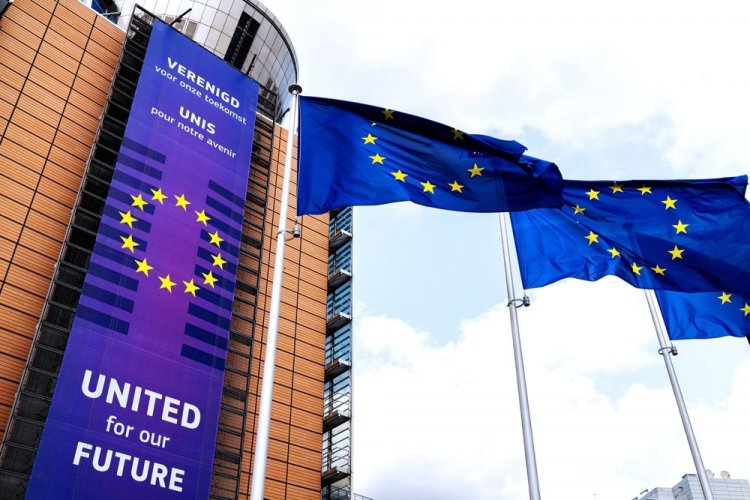
On October 10, the European Commission announced the final terms of its first pan-European auction for the decarbonization of process heat (IF25) with a budget of €1 billion.
This was reported by the European Commission's press service on its official website.
This auction is being implemented through the European Union's Innovation Fund and announced in the Clean Industrial Production Agreement. In particular, its goal is to support the market introduction of electrified and renewable heat technologies in industrial heat supply, contributing to the decarbonization of European industry.
The auction has a budget of €1 billion to support innovative projects that electrify industrial process heat using technologies such as:
1) heat pumps;
2) boilers;
3) plasma burners;
4) resistive heating and induction heating.
It can also support projects that use direct renewable heat. Mostly solar thermal or geothermal energy, as well as hybrid projects that combine different electrification and direct renewable heat technologies.
The new pilot auction is expected to open to bidders in early December 2025.
Key features of the project:
1) Subsidy in the form of a fixed premium
Successful bidders will receive a subsidy in the form of a fixed premium that is linked to and proportional to each ton of CO2 emissions reduced over five years.
2) Broad coverage
The IF25 heat auction is open to projects of any size from all industrial sectors in the European Economic Area.
3) Focus
It serves projects that use continuous industrial processes, but also encourages additional flexibility solutions to avoid electricity consumption during peak hours.
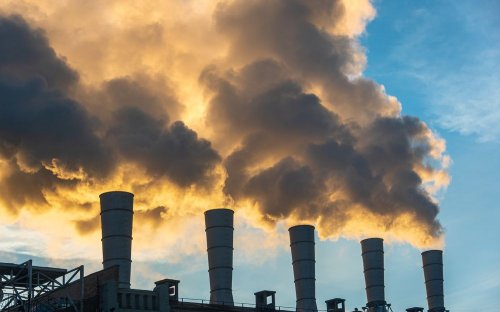
According to officials, this auction targets one of the largest sources of CO2 emissions in EU industry: process heating. Specifically, this refers to the heat used to convert raw materials into products, from melting plastics and metals to chemical reactions. Currently, these processes are largely powered by fossil fuels.
"This auction is a decisive step towards the creation of the Industrial Decarbonization Bank. It paves the way for scaling up investments in industrial electrification technologies that contribute to industrial decarbonization. I urge industry leaders to join us in harnessing the enormous potential for cost-effective emissions reductions through electrification and to prepare their bids for the auction, which will start in early December," said Kurt Vandenberghe, Director-General of the Directorate-General for Climate Action.
The European Commission added that this project not only increases the competitiveness of clean industries in Europe, but also reduces greenhouse gas emissions, increases energy independence and security, and improves the affordability of energy. In particular, it brings the European continent closer to achieving its climate neutrality goals by 2050.
According to analysts, industrial heat supply is one of the largest sources of industrial CO2 emissions in the EU.
We remind EcoPolitiс readers that the largest political parties in the European Union have decided to weaken environmental requirements for enterprises and businesses.
According to politicians, hundreds of medium-sized EU companies that were previously subject to strict requirements will no longer be required to provide detailed reporting on their environmental impact or human rights compliance. They explain that the decision is motivated by a desire to reduce the administrative burden on companies and simplify compliance with environmental requirements.