On the eve of the UN Biodiversity Summit, its future president, Colombia's Minister of the Environment Susana Muhammad, said that the world must make peace with nature or risk fueling more global conflicts, such as the war in Gaza. She emphasized that the “suicidal war against nature” leads to an increase in the number of clashes between countries.
Reuters reports.
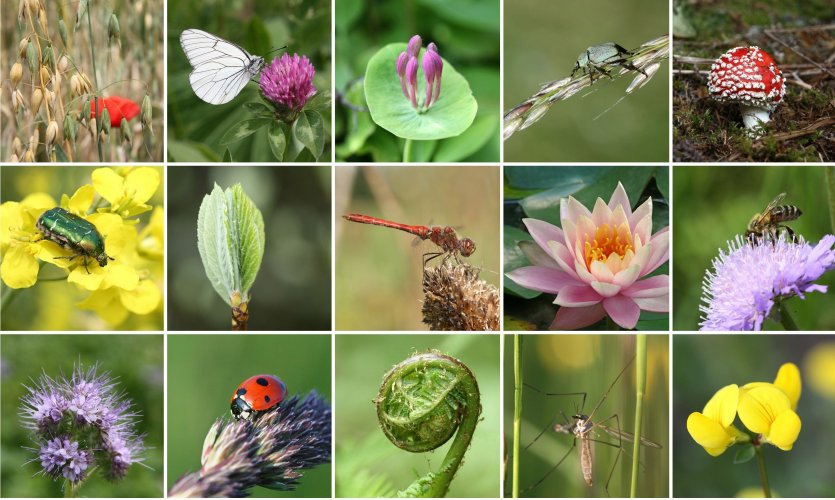
The October COP16 summit in Colombia will discuss further steps to implement the historic Kunming-Montreal Agreement of 2022 – similar to the Paris Agreement on Climate Change, but for nature – focused on overcoming the sharp decline in biodiversity around the world.
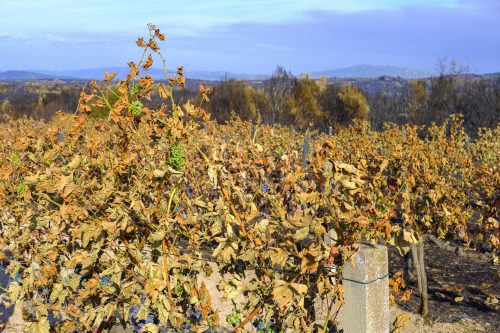
According to the World Wildlife Fund, climate change, deforestation, pollution, and habitat destruction have led to a 69% (!!!) decline in wildlife populations worldwide since 1970.
According to the head of the UN summit, multilateral institutions have proved incapable of confronting such unprecedented challenges as climate change and must be revised, otherwise the world may slide into the rule of the strong through violence.
"The situation that has developed in Palestine, where humanity is watching how one of the peoples of the world is suppressed by military means. And even the UN is unable to provide humanitarian aid," Muhamad said during a speech at the Atlantic Council think tank in Washington.
She promised that among the top priorities of COP16 would be an "intense" debate on how to reform the global financial system, allowing developing countries to make strong environmental commitments without taking on more debt.
Earlier EcoPolitic wrote about the fact that loss of nature and biodiversity can become a bigger challenge than climate change.
We also reminded that May 22 the world celebrates the International Day of Biological Diversity in order to raise public awareness of its importance and the threats it faces.