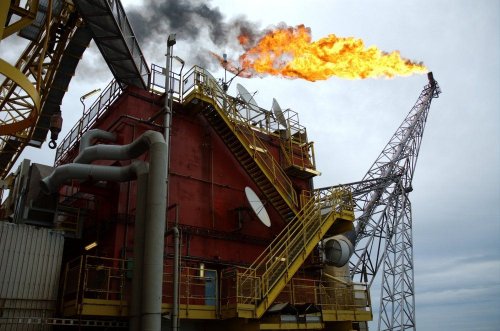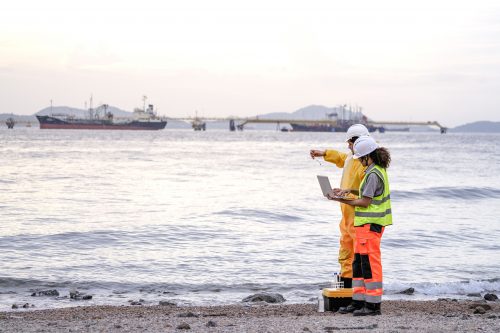
The Committee on Legal Affairs of the European Parliament voted unanimously to strengthen sanctions for persons guilty of environmental crimes, namely fines of up to 10% of the company's turnover and imprisonment for a period of 4 to 10 years.
As all political parties support the amendments, a plenary vote in parliament will be skipped, EURACTIV reports.
It is noted that MEPs expanded the list of offenses in the list of punishable crimes. It will include:
- illegal timber trade;
- illegal depletion of water resources;
- pollution caused by ships;
- violation of EU legislation on chemicals.
"We have successfully agreed on zero tolerance for crimes that have huge consequences for human health and the environment," said the Parliament's chief negotiator for the EU environmental crime directive, Toin Manders.
The article emphasized that environmental crimes are one of the most profitable and fastest-growing areas of international criminal activity with an annual turnover of more than €200 billion. The European Commission made a proposal to update the relevant directive back in December 2021.
The material said that the sanctions provide that:
- companies found guilty of crimes against the environment can receive a minimum fine of 10% of their average global turnover for the three previous business years;
- guilty persons may be imprisoned for a term of 4 to 10 years, depending on the severity;
- companies may be denied access to government funding or have their licenses revoked;
- violators will have to restore the damaged environment and pay compensation to victims according to the "polluter pays" principle.
It is noted that e ecological groups welcomed the position of the European Parliament, which is more ambitious than the initial proposal of the European Commission. In particular, regarding a broader definition of environmental damage and its impact on human health.
"With this vote, MEPs show that they recognize the seriousness of environmental crime and understand that having a comprehensive Directive is crucial to finally put an end to this criminal behaviour," said WWF Policy Director Audrey Chambaud.
The material explained that the next step will be trialogues between the European Parliament, the European Commission and EU member states. They are expected to be difficult, due to concerted opposition from EU member states. After all, they are not used to applying sanctions for this type of crime.
Earlier, EcoPolitic wrote, that Brazilian President Jair Bolsonaro signed a decree on increasing fines for environmental crimes. The maximum possible fine will increase 50 times.
As EcoPolitic previously reported, the Parliamentary Assembly of the Council of Europe (PACE) approved a historic resolution on the negative impact of war on the environment. The document defines the term ecocide and adds it as a new crime in the Rome Statute of the International Criminal Court.