The European Union considers Ukraine as a future energy donor, since the country has a very high energy potential, and the vast majority of neighboring countries are energy-deficient in the future.
This was stated by the adviser to the Prime Minister of Ukraine Yuriy Boyko, adding that energy can become not only the foundation of the economy, but also one of the key drivers during the post-war recovery, reports Apostrophe.
Boyko emphasized that Ukraine is capable of fulfilling the role that the Soviet Union once wanted to fulfill. This role was performed by Russia for a long time and "stuck on the oil and gas needle" of a number of European states.
He added that Europe was able to provide itself with energy resources for the winter period of 2022-2023. However, these efforts do not solve the problems of shortage of energy resources and electricity in the next 5-10 years.
Boyko emphasized that in order to become an energy donor for the EU, Ukraine needs to develop:
- interconnectors (energy transmission channels from the Ukrainian energy system to the European one);
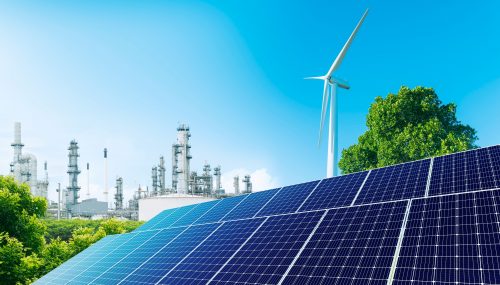
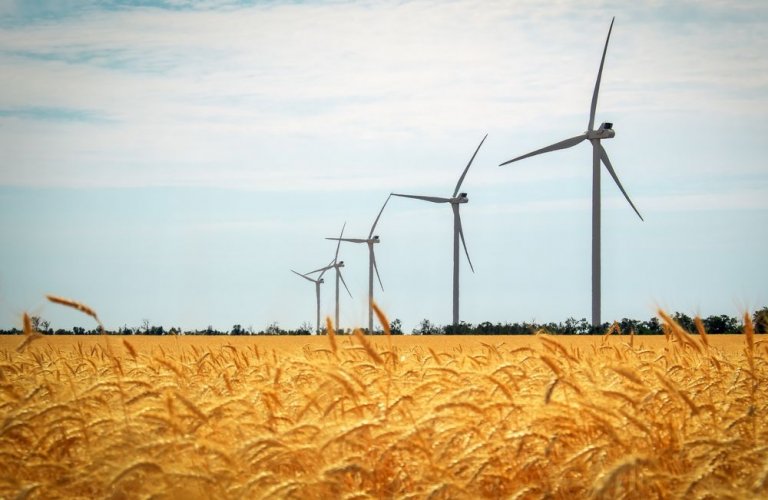
- "green" energy mix.
"The Europeans have a fundamental position, which is that their internal energy should be green. This requirement is also applied to imported energy. And for this, it is necessary to maintain the internal energy mix (the sum of energy produced using different types of generation – nuclear power plants, TPP, CHP, HPP, etc.) acceptable to Europeans, and therefore formed taking into account all the environmental obligations of our state," he said.
Earlier, EcoPolitic wrote, that CEO of DTEK Maksym Timchenko stated that Ukraine plans to achieve 30 GW of renewable energy by 2030, which will make up 50% of the RES share in the energy mix, and to export 15 GW of green hydrogen and electricity to the EU.
As EcoPolitic previously reported, analysts of the International Energy Agency assumed that the Russian-Ukrainian war, as well as state aid programs in the USA and the EU will speed up the energy transition by 5-10 years.