How easy it is to make compost: expert advice

How easy it is to make compost: expert advice compost

Anna Velyka

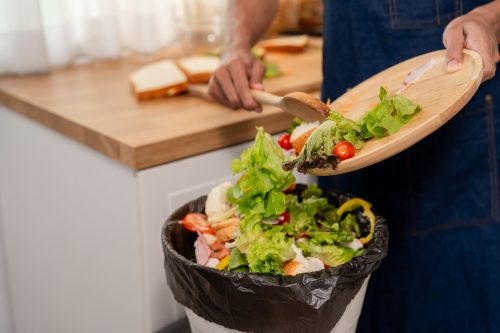
Organic waste occupies approximately 50% of the garbage can

Specialists from the Clean Lutsk Municipal Waste Management Center shared tips on how to properly compost organic waste and what benefits can be gained from doing so.

They posted this and other interesting information on their Facebook page.

The experts said that composting bio-waste is an easy way to reduce the amount of garbage and get free fertilizer for your garden.

The composting process is quite simple:

  1. Collect organic waste: vegetable and fruit scraps, egg shells, coffee grounds.
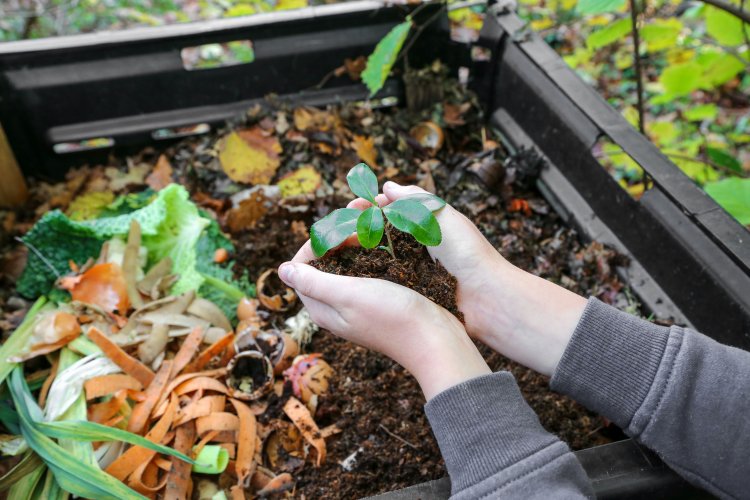
  2. Add them to the compost heap or a special container.
  3. Stir and hydrate to speed up the process.

When preparing compost from biological waste, you do two useful things at once:

  • reduce the amount of waste in landfills;
  • prepare a nutrient medium for your plants.

As a result, you have environmentally friendly fertilizer for your beds and healthy plants that are pleasing to the eye.
Чистий Луцьк

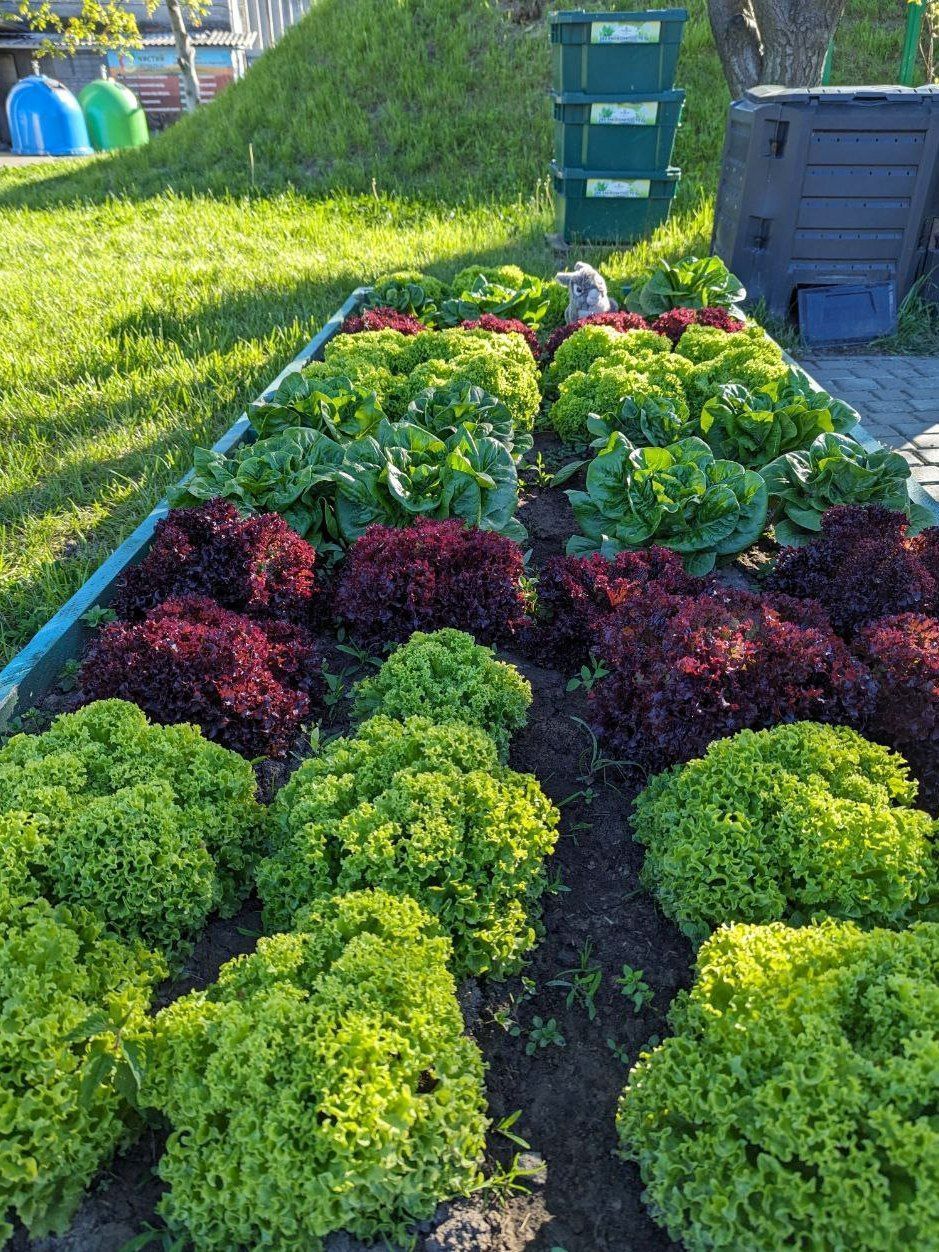
In the photo – different types of lettuce grown on compost in the Chisty Lutsk waste management center (photo of the center)

Earlier, EcoPolitic told how to make a composter in an apartment.

In March, we shared the results of Lviv residents who, thanks to composting, turned into fertilizer 27,000 tons of garbage in 4 years. And in Kharkiv Oblast composter helped avoid 2.5 thousand tons of greenhouse gas emissions.
Related
Six EU countries have already met their 2030 targets for the collection of single-use plastics

Countries that have been successful in collecting single-use plastics use REW and a deposit-return system

Khmelnytskyi plans to become a zero-waste city. What steps are being taken to achieve this?

City officials emphasize that the quality of separate waste collection depends largely on residents’ environmental awareness

The global waste management crisis: humanity is eight years ahead of projections

Globally, only 21% of waste is recycled, while 30% is simply dumped in open areas or not collected at all

Composting at home and on a city-wide scale: how to turn organic waste into biofertilizer

Clearing leaves from parks in the fall is a waste of fuel for transportation and a theft of fertilizer from the ecosystem