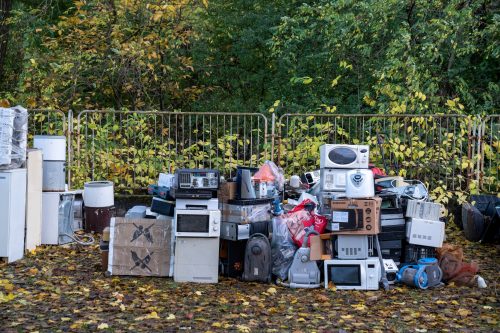
Kharkiv residents were encouraged to exchange food and household items in the eco-hub

Kharkiv residents were encouraged to exchange food and household items in the eco-hub shutterstock
Katerina Belousova

Ecohub is open every Thursday from 11:00 a.m. to 3:00 p.m

In Kharkiv, citizens can give unnecessary things to the ecohub for reuse, or pick up necessary things for themselves, and also help other people with food through the foot bank.

Ecohub also accepts waste for recycling and composting, Kharkiv Zero Waste reports on Facebook.

For the foot bank, you can bring food with a long shelf life, including tea, coffee, cereals, pasta, preserves, etc. It will then be distributed among those who need it most.

For reuse, you can give:

  • clothing;
  • footwear;
  • bed linen;
  • blankets;
  • medicine;
  • dishes, etc.

There is a composter in the courtyard of the Ecohub, where you can bring organic waste, namely fruit and vegetable waste.

"We remind you that it is necessary to minimize consumption, especially of disposable items (refuse). Try to satisfy your needs with a really necessary number of things, choose reusable analogues: a thermos, a fruit bowl, a bag, etc. (reduce)," the material said.

Ecohub helps implement all principles of zero waste. The platform is open every Thursday from 11:00 a.m. to 3:00 p.m.

As reported EcoPolitic before, in the Kharkiv region, in the city of Lubotyn, public composter started to work.
Related
Mass fish deaths in the Kharkiv region due to pollution

Law enforcement officials are identifying the sources of the pollution and those involved

Six EU countries have already met their 2030 targets for the collection of single-use plastics

Countries that have been successful in collecting single-use plastics use REW and a deposit-return system

Khmelnytskyi plans to become a zero-waste city. What steps are being taken to achieve this?

City officials emphasize that the quality of separate waste collection depends largely on residents’ environmental awareness

Up to €500,000 for destroying food: Spain is taking drastic measures to combat waste

The maximum fine applies to repeat offenses, including the intentional destruction of food products