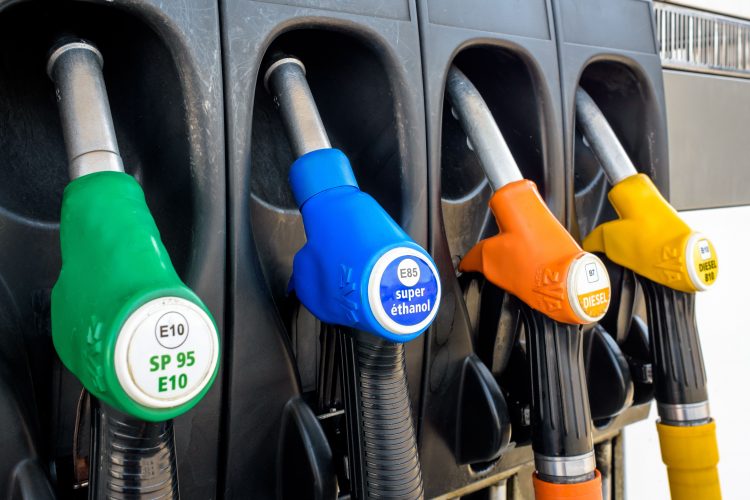
A new E10 fuel standard has been in force at Ukrainian petrol stations since 1 July. It stipulates that all petrol must contain 10 per cent bioethanol. This is a step towards harmonising Ukraine’s fuel market with the European one. At the same time, such state regulation may stimulate the development of the domestic biofuel market.
This was emphasised by the Ukrainian Bioenergy Association (UABIO).
The environmental dimension
Transport is one of the largest sources of greenhouse gas emissions. The switch to E10 effectively lays the foundation for the decarbonisation of the sector. At the same time, it normalises the daily use of biofuels.
Thanks to these changes, Ukraine has therefore taken a step towards reducing its environmental impact.
Development of clean energy
A side effect of the switch to E10 is the support it provides for the development of the Ukrainian biofuel market. In the long term, this will encourage producers to engage in the advanced processing of agricultural waste.
Experts emphasize that Ukraine has significant potential not only to meet domestic demand but also to scale up for export markets.
“E10 is just the first step. Real success will depend on whether we can turn Ukraine’s powerful agricultural potential into a modern bioeconomy that attracts investment, creates high-tech production, new jobs, and high added value within the country,” said UABIO board member Serhiy Savchuk.
Impact on vehicles
Some vehicle owners approached these changes with caution. However, the UABIO assures that just 10% bioethanol in gasoline will not harm even older car models.
E10 affects only the composition of the fuel and in no way impacts its properties.
Price increase
Drivers will have to pay more for gasoline at filling stations, but this difference is insignificant. Experts mention an increase of 0.5–0.7 UAH per 1 L. Therefore, a radical change in pricing policy should not be expected.
EcoPolitic previously reported on the possible formation of a surplus in the bioethanol production sector. Experts noted that if the existing capacities operate at full load, they would produce more biofuel than the total volume of gasoline produced in Ukraine before 2022.