French companies seeking to expand their cleantech production will receive state support. The European Commission has approved a €1.1 billion climate investment scheme.
The European Commission expects this to contribute to the transition to a zero-emission economy.
This is the eighth investment scheme approved since the adoption of the Clean Industry Agreement (CISAF). The total amount of support for manufacturers implementing decarbonization measures already exceeds €10 billion.
Features of French investments in decarbonization
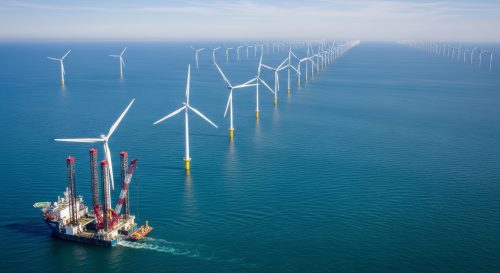
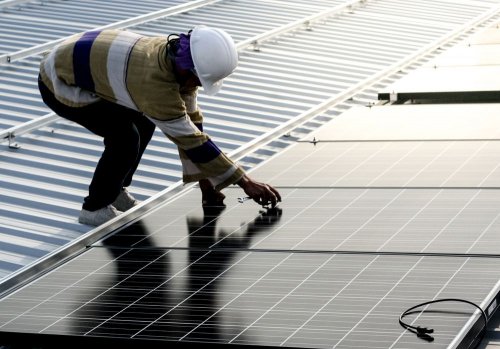
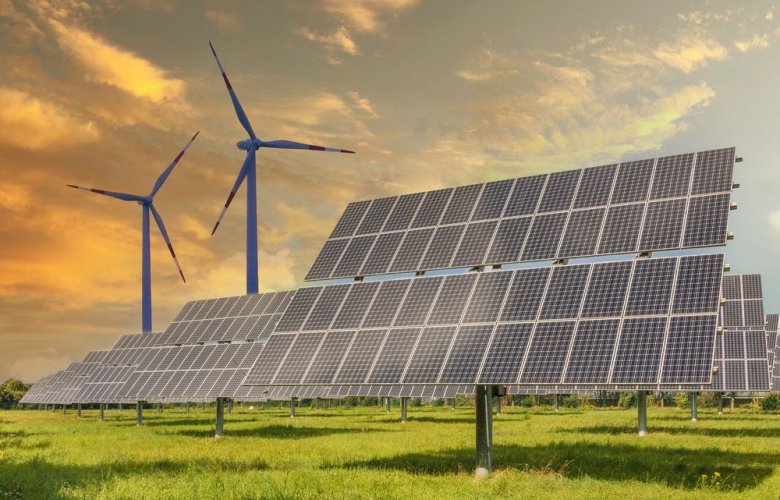
The state model provides for assistance to businesses that will create additional zero-emission capacity. First and foremost, funding will be available for the development of green generation. This includes the manufacture of equipment for solar and wind power plants, including offshore ones, heat pumps, and energy storage systems.
The proposed scheme will cover business expenses for purchasing key components and critical raw materials necessary for building such systems. Companies will receive support in the form of tax incentives.
Any business from any region of France can receive state support until 31 December 2028.
The European Commission has positively assessed the French clean industry investment scheme. According to its conclusions, the scheme is effective and proportionate, which will contribute to reducing greenhouse gas emissions across various industrial sectors.
What is CISAF?
In June 2025, the European Commission adopted the Clean Industry Agreement (CISAF). Its regulations allow EU member states to provide assistance to domestic manufacturers to accelerate the “green” transition.
In particular, each country can develop its own approach to financing measures aimed at speeding up the deployment of renewables, decarbonising production, manufacturing equipment for green generation, and lowering energy prices.
A similar scheme was previously approved for Greece, where the total amount of state aid will reach €400 million. Enterprises can receive funding in the form of direct grants or tax incentives until 31 December 2030.
EcoPolitics reported that electricity prices in the European Union have reached a critical level, making it impossible for energy-intensive businesses to compete with countries where climate policy is more lenient.