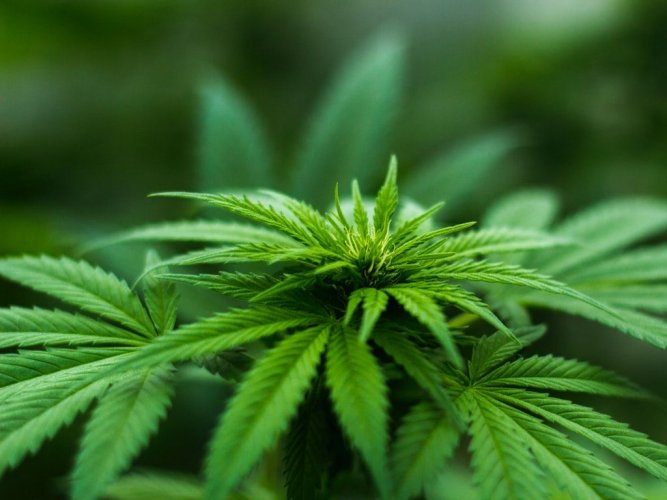
Extensive cultivation of industrial hemp can be the cheapest way to solve environmental problems, in particular in combating pollution and effectively overcoming the global climate crisis, as well as stimulating reforestation.
The positive impact of planting billions of cannabis is discussed in an analysis of 2019, published in the journal Science, according to Green Queen.
The study found that two-thirds of all anthropogenic emissions could potentially be eliminated through a global sowing program. After all, trees absorb and accumulate emissions of carbon dioxide - greenhouse gases, which are the cause of global warming.
Reforestation would help reduce global warming and address species extinction and pollution. However, it will take 50 to 100 years for trees to grow and reach full capacity to absorb carbon emissions.
However, hemp grows rapidly, reaching 4 meters (13 feet) in height in 100 days, making it one of the fastest solutions available for carbon conversion. It is also used in clothing, textile fibers, oils, food and other purposes.
Hemp is capable of absorbing more carbon dioxide per hectare than any other commercial crop, and can be grown on a large scale in nutrient-depleted soils with little water or fertilizer. It can also be grown on existing farms and included in crop rotation, while restoring depleted soil and positively affecting yields.
Hemp products can also replace plastic products, which contribute to microplastic contamination.
In addition, growing hemp eliminates environmental toxins in the textile industry. After all, the modern method of clothing production creates a huge amount of toxic waste. Hemp fabrics can be made without the use of chemicals, which will reduce the damage to the environment caused by the textile industry and the fast fashion industry.
Hemp as a solution is confirmed by studies that highlight the potential of the planting scheme to address global environmental problems.
Also by absorbing pollutants through the leaves, trees help fight air pollution. That is, a global initiative to plant trees or hemp will compete with the negative effects of pollution that contributes to climate change.
"We do not have enough time to save the planet that we destroyed with threatening speed. Simply talking about solutions is not enough - we desperately need to make progress in restoring soils, oceans and forests, and cannabis can do just that. This may be one of the cheapest, most implemented environmental solutions to our current climate emergency,” – the article reads.
We will remind, in Ukraine for three weeks of "Green country" 65,8 million trees were planted.
As EcoPolitica reported earlier, Ukraine has launched an initiative on the efficient use of land.