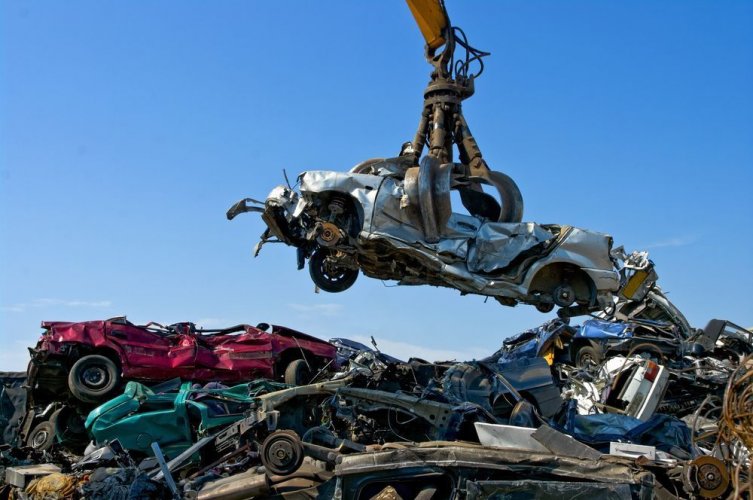
The European Parliament's Environment Committee and Internal Market Committee have adopted their proposals for new rules covering the entire life cycle of vehicles, from design to final disposal at the end of their service life.
This was reported on the official website of this EU legislative body.
The new regulation will apply:
- to passenger cars and minibuses – one year after its entry into force;
- to buses, heavy-duty vehicles, trailers, motorcycles, quadricycles, mopeds, and minibuses – five years after its entry into force.
However, lawmakers propose to make exceptions, for example, for special-purpose vehicles and vehicles of historical interest. Members of the European Parliament also want to exempt vehicles intended for use by the armed forces, civil defense, fire and emergency medical services, as well as vehicles of special cultural interest, from customs duties.
What the new rules entail
- New vehicles must be designed in such a way as to allow for the easy removal of as many parts and components as possible by authorized recycling companies for the purpose of replacement, reuse, recycling, recovery, or reconstruction, where technically feasible.
- Manufacturers must not prevent the removal and replacement of parts and components through software updates.
- Plastic used in each new type of vehicle must contain at least 20% recycled plastic within six years of the rules coming into force.
- Manufacturers must achieve a target of at least 25% within 10 years of the rules coming into force, provided that sufficient recycled plastic is available at acceptable prices.
- Manufacturers will cover the costs of collecting and recycling their vehicles that have reached the end of their life cycle. Specific requirements will be set for the removal of parts and components, liquids and components containing gases, refrigerants, and hazardous substances before shredding.
MEPs also want national authorities to carry out more frequent inspections of facilities involved in the recycling and disposal of end-of-life vehicles and to develop inspection plans to detect illegal activities.
Tighter rules on the export of used vehicles
The new rules stipulate that used vehicles may only be exported if they are not considered end-of-life vehicles. MEPs also propose clarifying the criteria for determining when a used vehicle is an end-of-life vehicle, as well as the documentation required by customs authorities.
As EcoPolitic reported earlier, EU governments are close to agreeing on a target for the content of recycled plastic in new cars.