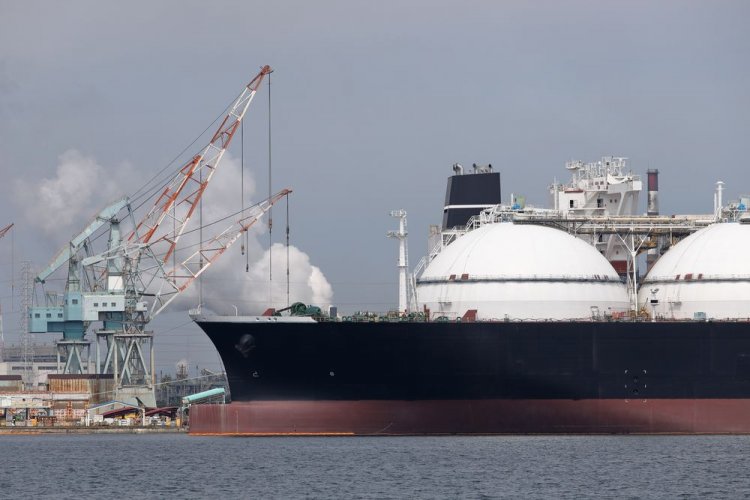
EU officials are privately discussing easing methane emissions rules with American oil and gas companies to appease Washington and increase gas purchases.
This is reported by POLITICO.
The publication notes that the industry's pressure on Europeans is growing to remove barriers to buying more fuel as part of a trade deal with US President Donald Trump. His administration has threatened to impose high tariffs if Europe does not agree to numerous demands, including buying more American fuel.
What is being discussed
According to POLITICO, the talks are currently focused on the EU's future methane rules. They include fines for gas importers that fail to meet new monitoring and emissions requirements. According to three government officials and industry representatives, these rules were discussed during a series of meetings between the two sides in the previous weeks.
The publication says that the last meeting took place on Tuesday, February 4. Then representatives of the European Commission met with representatives of the liquefied natural gas (LNG) industry in the United States. Ditte-Joel Jorgensen, the EU's top energy official, flew to the United States to discuss methane regulations.
Why this issue arose
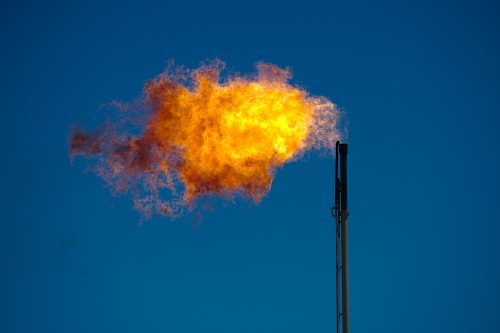
Starting in 2027, EU countries will fine importers if they fail to comply with resource-intensive requirements to monitor and repair leaks of methane, a gas released during the production, storage, and transportation of natural gas. This could lead to fines being imposed on EU importers – many of which are US subsidiaries – for purchasing US fuel that does not meet the standards.
Penalizing US LNG importers could in turn raise Trump's ire and undermine hopes that buying more LNG would help prevent a transatlantic trade war.
Large industrial corporations are campaigning for the rules to be revised, but climate advocates say the requirements are critical. They emphasize that methane causes much more damage to the atmosphere than carbon dioxide.
What Europe is leaning towards
Although no revision of the bloc's new methane rules, which came into effect last year, is expected, one industry official said that the requirements for measuring methane emissions and maximum allowable limits could change.
European Commission spokeswoman Anna-Kaisa Itkonen said at a press briefing that Tuesday's talks were exclusively at a “technical level” and aimed to “summarize” the views of the various parties.
POLITICO suggests that any changes to the methane rules will cause disagreements within the commission.
“At this stage, we are not canceling anything,” one European Commission official told the publication.
He is sure that this would be “a very short-sighted step.”
What experts say
David Goldwyn, chairman of the international energy consulting company Goldwyn Global Strategies and a former State Department official in the Obama administration, is confident that discussions about changing EU rules on methane “will definitely happen.” He predicts that Europe will not want to squeeze its domestic economy too much as it seeks to both replenish natural gas reserves and stimulate industrial activity.
“I think they may delay the implementation of the methane rules so as not to raise prices too soon or too fast,” he said.
Recently, EcoPolitic wrote that the transnational oil and gas giant BP is abandoning its ambitious green strategy.