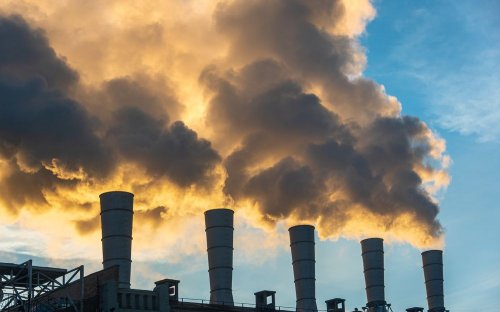
In 2021, carbon emissions from Brazil's largest meat producer, JBS, amounted to 421.6 million metric tons of carbon, more than Italy's.
This was shown by a study of several environmental groups, according to the Financial Times.
The company has promised to reduce emissions to net zero by 2040, but its emissions have increased by more than 50% in the last five years. Thus, in 2016, according to a study by the environmental group Feedback and the investigation site DeSmog, emissions amounted to 280 million metric tons.
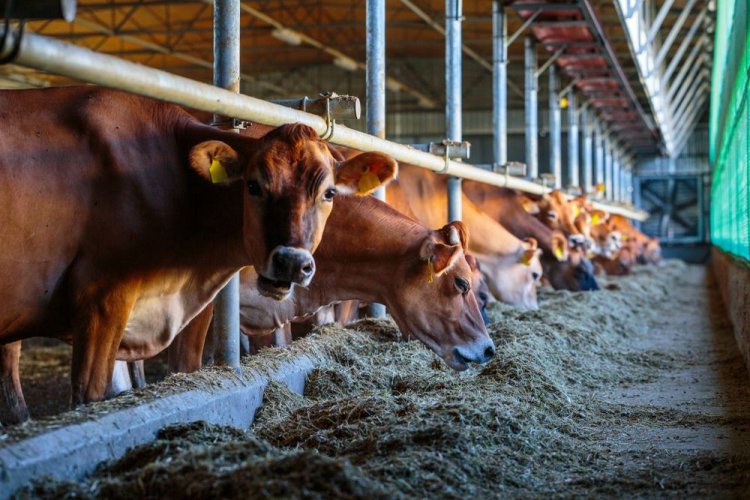
In 2021, JBS processed 26.8 million head of cattle, 46.7 million pigs and 4.9 billion chickens.
JBS denied the accuracy of the figures, saying the report used incorrect methodology and crudely extrapolated data to make misleading claims. However, the company did not provide its own official figures for 2021.
"Achieving our ambitious zero goal is our number one priority. We have been transparent about the deadlines needed to do so," the company said.
The Institute of Agriculture and Trade Policy in Minnesota used the model of the Food and Agriculture Organization of the United Nations. The calculations also included so-called Scope 3 emissions, which take into account emissions from the increase in the number of animals in the global supply chain.
The environmental group said JBS's "clean zero" plans ignore the company's main source of emissions, namely increasing the number of animals in its global supply chain.
"They may say that we have far exceeded the number of animals, but they need to provide evidence of their numbers, and they need to be publicly available. Personally, I feel we have a conservative estimate," said Shefali Sharma, director of IATP Europ.
The report also said the report would be a blow to a meat processing group trying to lose its image as an environmental villain.
For many years, the company has been accused of facilitating deforestation in the Amazon rainforest by allowing livestock raised in deforestation to enter the supply chain.
However, over the past two years, the company has tried to change its reputation by setting a number of environmental targets, including a zero target. Some experts believe that this process was caused by the growing threat of European investors and the boycott of products by supermarkets such as Tesco and Carrefour.
The company said that its total emissions in 2020 were 6.8 million metric tons, but acknowledged that this figure does not include emissions from animals in the supply chain. JBS also added that Scope 3 emissions will be included in the calculations in the report for 2021, but did not specify when it will be published.
It will be recalled that in Germany, emissions from food production produce several times more emissions than from steel production.
As EcoPolitica reported earlier, according to the survey, less than half of companies in the EU are ready for the challenges of Green Deal.