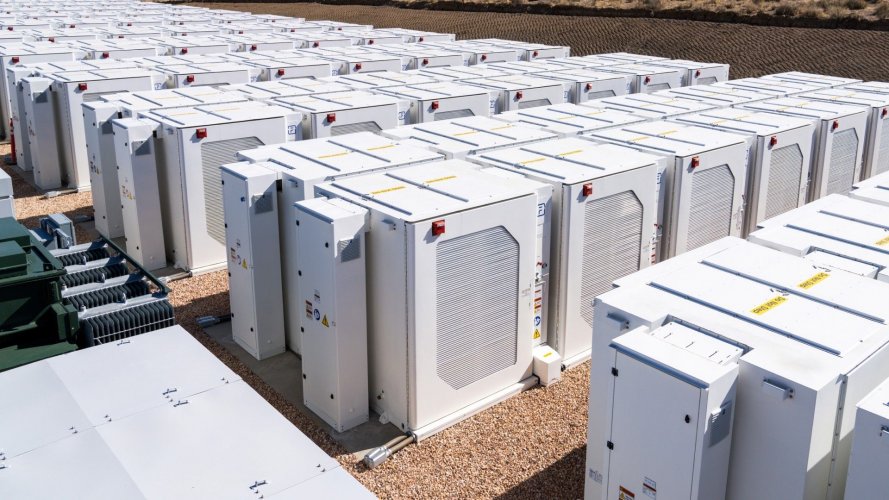
DTEK will install 6 energy-saving plants with a capacity of 200 MW across Ukraine.
This was reported on the official website of DTEK Renewables.
Key figures for the project:
- planned investments – €140 million;
- number of energy-saving plants in different regions of Ukraine – 6 units;
- capacity of these plants – from 20 MW to 50 MW, which will total 200 MW;
- the volume of dispatchable energy is 400 MWh, which is enough to supply short-term electricity to 600,000 households, which is equivalent to about half of the households in Kyiv.
DTEK says that this will be the first large-scale project in Ukraine to create a portfolio of energy storage systems based on batteries.
Advantages
Deputy General Director Oleg Solovei explained that modern energy storage systems will be able to collect excess electricity and quickly release it into the network when needed.
DTEK said that, unlike traditional power plants, energy storage facilities react within milliseconds.
"The decentralized nature of the project will allow the power system to avoid outages and restore the stability of the power system much faster at the local level than before," the company says.
According to energy experts, Ukraine will be one of the first countries to use this innovative functionality.
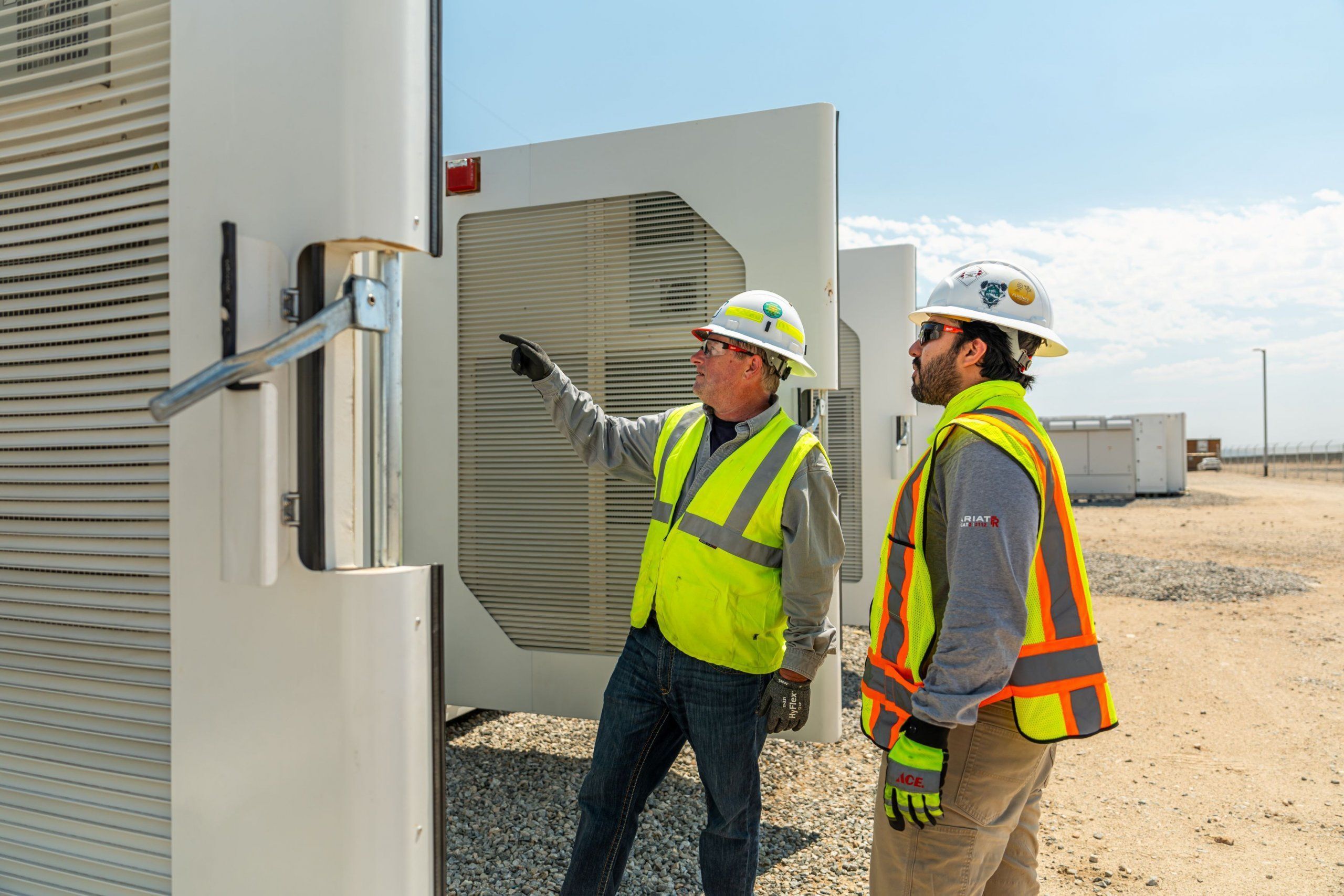
Photo: renewables.dtek.com.
Provider
The company chose Fluence Energy B.V., a subsidiary of Fluence Energy, Inc., as an equipment supplier. (NASDAQ: FLNC). Oleg Solovei said that it is a global leader in the energy storage market.
"The company has built more than 35 GWh of energy-saving solutions with leadership characteristics in the industry. "Fluence has extensive experience in integrating energy storage facilities into national energy infrastructures, including a portfolio of energy storage projects with a capacity of 201 MW in Lithuania and 450 MW for transmission system operators in Germany," Ukrainian energy experts say.
Deadlines
Fluence and DTEK (through its subsidiary DTEK VDE) plan to complete the project by October 2025, so that the systems will be installed before the start of the 2025-2026 winter season to strengthen the Ukrainian power grid during possible blackouts.
According to representatives of DTEK, at the time of commissioning, the project will become the largest among the existing energy storage systems in Eastern Europe.
"Energy storage systems are an important element in the creation of a decentralized energy system of Ukraine, which will help reduce carbon emissions and increase the country's energy security," said DTEK CEO Maksym Timchenko.
The other day, EcoPolitic reported that LLC "DTEK VDE" started issuance of carbon credits that companies can buy to reduce their own carbon footprint when manufacturing products.