Almost 200 countries at the UN Climate Change Conference (COP29) agreed on new UN standards to launch international carbon markets after nearly a decade of complex discussions.
This important decision of the international community is reported by FRANCE 24.
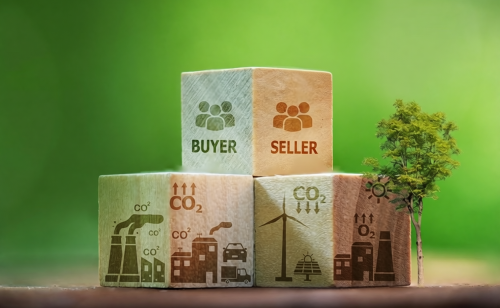
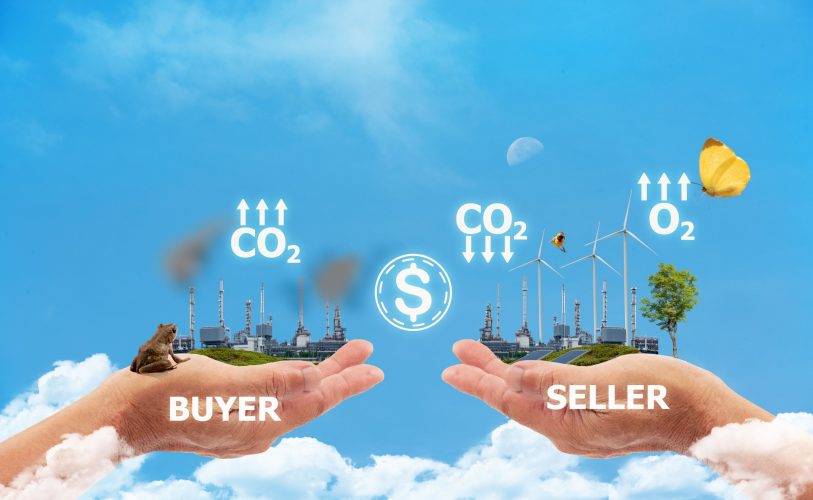
The new ground rules for the global carbon market stipulate that countries that reduce emissions will receive so-called “carbon credits”. They will be able to sell them to countries that pollute the environment the most.
COP29 President Mukhtar Babayev said that the agreement is a “breakthrough,” but that more negotiations are needed to develop a plan backed by the UN.
Carbon credits will be generated by activities that reduce or avoid greenhouse gas emissions, such as planting trees, protecting carbon sinks, or replacing polluting coal with clean energy alternatives.
It is established that one credit is equal to a ton of prevented or removed carbon dioxide.
It will be recalled that the work on the development of rules that would allow countries and companies to exchange credits on a transparent and reliable market lasted almost 9 years – since the signing of the Paris Climate Agreement in December 2015.
The guidelines adopted in Baku will make it possible to develop rules, including the calculation of the number of credits that a particular project can receive.
"This brings the system one step closer to actually existing in the real world," said Gilles Dufran of the think tank Carbon Market Watch.
But he added that even this does not mean that the market actually exists. The expert emphasized that further safeguards and governance questions still remain unanswered, but the decision brings the long-awaited creation of a UN-backed market for trading in high-quality credits closer.
Once launched, the carbon market will allow countries – mostly rich polluters – to offset emissions by buying credits from countries that have reduced greenhouse gas emissions more than they promised.
Earlier, EcoPolitic reported that the European Commission had published a draft CBAM implementation project with requirements for declarants. We also talked about analysts' forecasts that carbon prices will almost double by 2027.