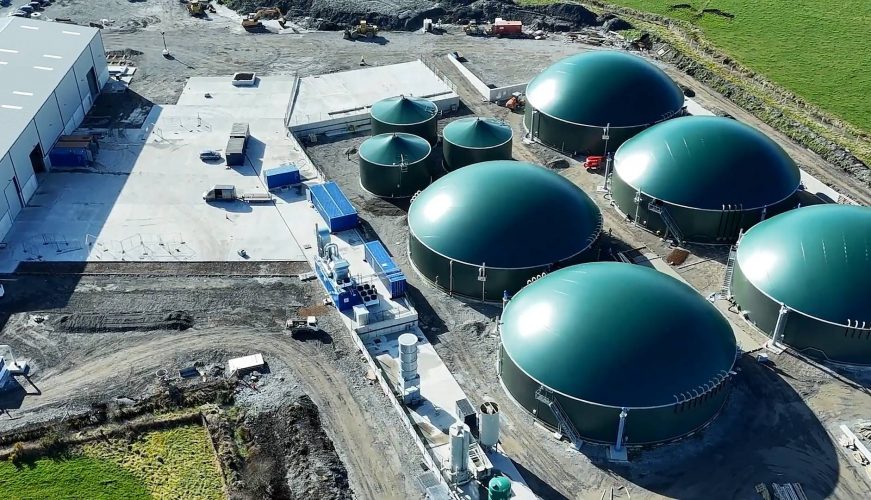
Ireland’s largest biomethane plant is set to begin operations as early as mid-2026. The facility will use waste from the alcohol industry to produce green fuel. It is expected to generate 110 GWh of energy per year.
This was reported by the Ukrainian Bioenergy Association, citing WELTEC BIOPOWER.
Project details
The plant is being built by the German company WELTEC BIOPOWER for the local firm Evergreen Agricultural Enterprises Limited. The project cost amounts to €50 million.
The project involves processing 165,000 tons of raw materials annually, which will reduce carbon dioxide emissions by 18,500 tons over the same period.
The plan is to enrich the biogas using membrane technology and then feed it into the city’s gas network.
Separately, the plant will produce up to 65,000 tons of digestate per year. It will be stored in a covered concrete lagoon. It is intended for delivery to farmers in solid or liquid form.
Technical details
The plant consists of four bioreactors and one secondary bioreactor, all made of stainless steel. The volume of each structure is 4,900 m3.
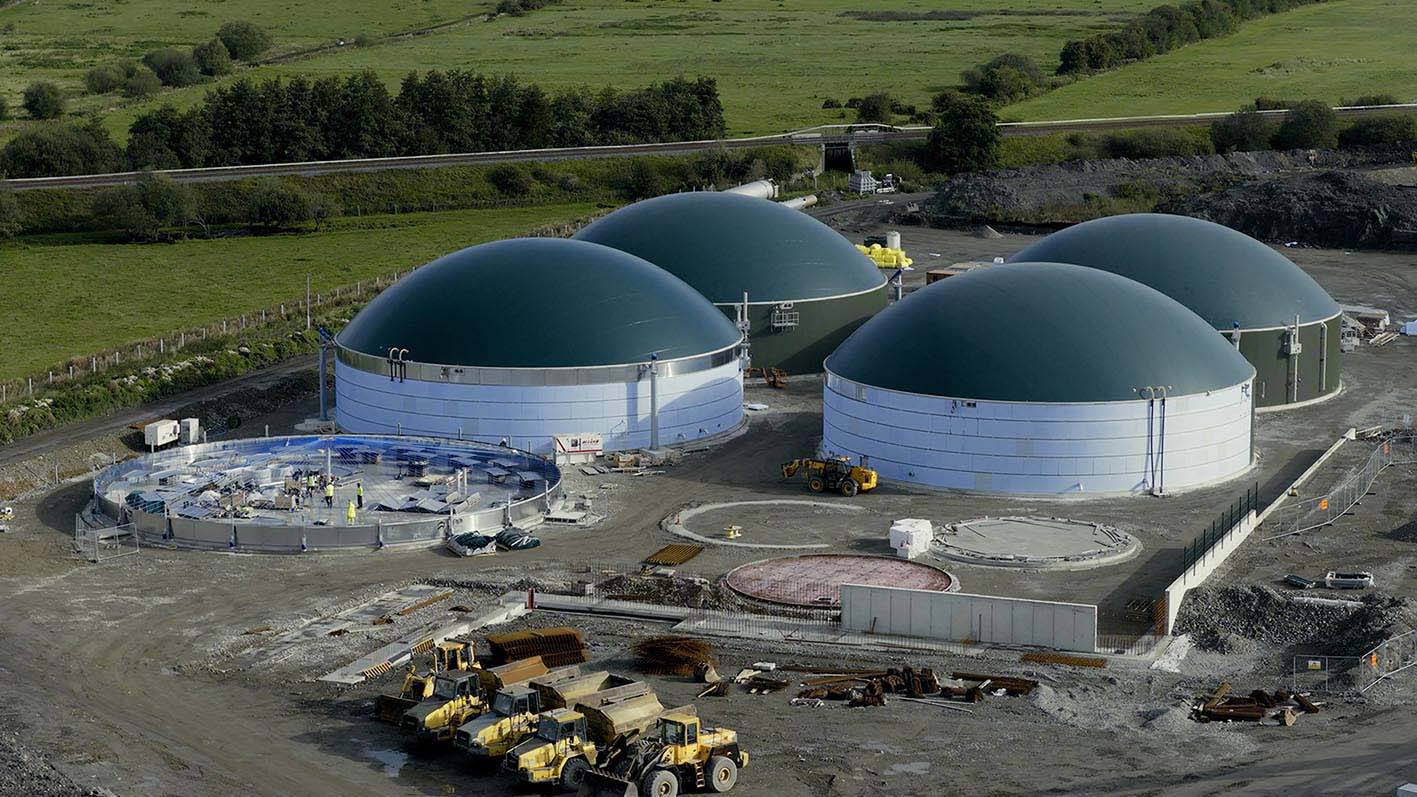
Source: WELTEC BIOPOWER
The feedstock for fermentation will be production residues from the Irish alcohol industry – brewing and whiskey production. These wastes are unsuitable for the production of animal feed, meaning they do not compete with agriculture in any way. Moreover, such raw materials are readily available in Ireland.
Three additional tanks have been installed onsite for the storage of liquid substrates.
EcoPolitic previously reported that biomethane was recently used in Ukraine for the first time to produce environmentally friendly sugar.
The industry’s potential in Ukraine is quite high, but it requires investment. Experts noted that $40 billion in funding would be sufficient to build enough plants to fully replace natural gas.