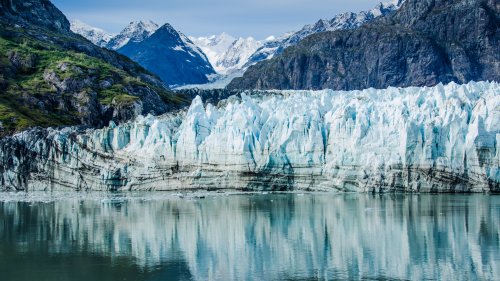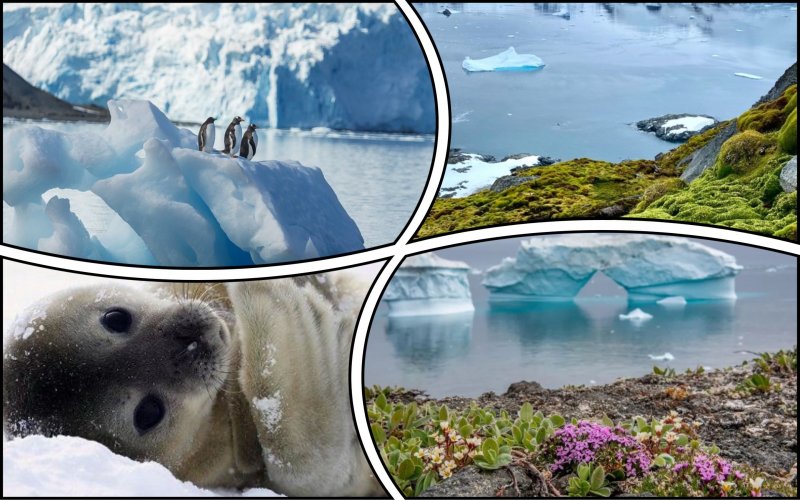
Scientists studying Antarctica have found that ice-free areas will potentially increase by 17,000 km2 by 2100, which will lead to plant colonization.
Currently, only 1% of the territory of Antarctica is suitable for the life of flowering plants, but by 2010 it will increase three times, reports ScienceAlert.
It is noted that record area reduction is recorded in Antarctica sea ice In 2022, the continent was hit by the biggest heat wave – in March, the temperature reached -10°C for three days, which is 39°C higher than normal.
According to scientists' forecasts, in the future March temperatures in Antarctica will come dangerously close to the melting point.
The article said that now only 2 types of flowering plants grow on the continent – the Antarctic hairy plant ( Deschampsia antarctica ) and the Antarctic pearl oystercatcher ( Tsolobantgus Chuinsis ). Between 2009 and 2018, warmer springs and summers resulted in a 20% increase in the growth rate of these plants.
"We know there will be thousands of square kilometers of new ice-free territory, and the higher temperatures and additional available water will create new habitats suitable for colonization, benefiting some species and not others," explained the biologist from the British Antarctic Survey. Jasmine Lee.
She added that a milder climate would also lower the barrier to the invasion of alien plant and animal species.
Earlier, Ecopolitic wrote, that in Antarctica at the end of 2022 about 10,000 chicks of the emperor penguin died due to climate change, namely the abnormal melting of sea ice.
As EcoPolitic previously reported, in Zimbabwe, due to a large-scale drought against the background of climate change, elephants, buffaloes and a number of other animals began to migrate to neighboring Botswana.