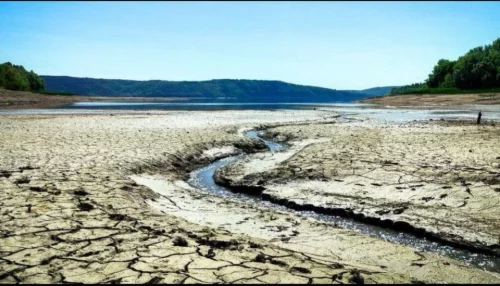
The impact of extreme weather conditions on coffee producers is constantly growing and leading to a rapid increase in prices for their products.
This is reported by Euronews.
According to the publication, over the past year, the price of coffee has more than doubled due to extreme weather conditions.
“The combination of above-average precipitation and temperature in coffee-growing regions caused serious problems for farmers in 2024. As a result, coffee experienced the fastest price increase – by 103% over the past 12 months,” the article says.
Scientists have confirmed that 2024 was the hottest year on record. They say that extreme, unpredictable weather events will continue to intensify and become more frequent as global temperatures rise.
Experts predict that in addition to rising prices, the taste and availability of coffee will deteriorate. This will also affect related businesses, such as coffee shops in Europe.
There are potentially devastating consequences for farmers who depend on coffee for their livelihoods in countries such as Brazil, Ethiopia and Vietnam.
“The impact of climate change on coffee production is evident, including high levels of rust on coffee leaves,” says Ethiopia Country Director for Christian Aid, Itna Tekalinier.
As the rising temperatures are already affecting the price of a cup of coffee, Mzuzu Coffee Cooperative CEO Maxon Ng'ambi is convinced that this cost should be passed on to consumers.
“Global coffee pricing needs to take into account that farmers are putting more effort into maintaining the coffee field, which means they are increasing the cost of production,” he says.
Christian Aid estimates that under current conditions, the amount of land suitable for growing coffee will decrease by 54.5%. This will happen even if the global temperature rise is kept within the Paris Agreement's target of no more than 1.5-2ºC above pre-industrial levels.
Earlier, EcoPolitic wrote that Ukraine may be left without borsch, and climate change is also involved.