Analysts at S&P Global, one of the largest and most renowned financial markets and economic research organizations, have identified 5 key trends that will shape the electricity and renewable energy markets around the world this year.
They posted the list on the S&P Global Commodity Insights LinkedIn page.
Experts stated that the geopolitical and macroeconomic uncertainty of the past three years has pushed the global energy sector to make significant changes. And they will determine the development of the industry in 2024.
Among the reasons that complicate the development of business opportunities in the global energy sector, S&P Global experts named:
- wars in Ukraine and the Middle East;
- growing tension in relations between China and the West;
- shortages and disruptions in supply chains;
- the growth of interest rates;
- disagreements over how to deal with climate change.
Analysts noted that despite all these restraining factors, investments in renewable energy are at a record high level, and energy storage and dispatching capacities are growing to meet the needs of power grids. Already today, electrification creates new forms of consumption and new players in the market, and new policies and strategies of companies stimulate the further expansion of energy infrastructure.
Based on the set of changes taking place in the global electricity and RES markets, S&P Global Commodity Insights experts formed the following top 5 trends in this area:
- Low electricity prices and high costs will challenge the renewable energy economy, but clean energy adoption will reach new highs.
- There will be new policies on project permits and energy market design that will try to meet the needs of stakeholders.
- Geographical differences will increasingly influence the development of the electricity market.
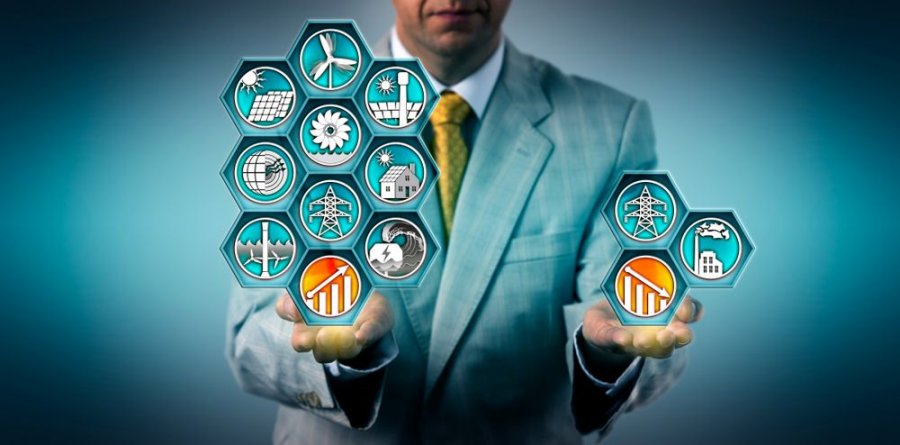
- The ratio of supply and demand resources used to promote the energy transition will change.
- Higher interest rates and lower asset values will prompt companies to be more cautious in formulating portfolio strategies.
Earlier, EcoPolitic reported that according to REN21 analysts global transition to RES in 2023 has slowed down. We also reported that in April less than a quarter of electricity in the EU was produced using fossil fuels. Its place was taken by generation due to wind, solar energy, as well as hydropower.